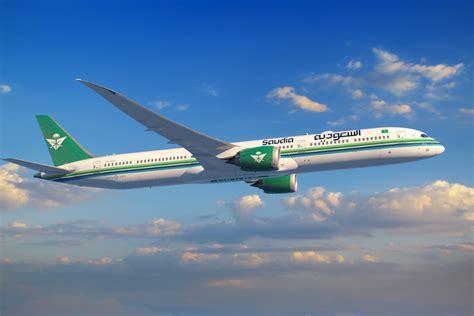
Saudia is preparing for what could become the most consequential fleet decision in its modern history. Reports indicate the airline is negotiating for at least 150 aircraft spanning passenger and cargo missions, reflecting aggressive growth ambitions tied to Saudi Arabia’s wider aviation and tourism expansion strategy. The potential order would dramatically reshape fleet structure, network reach, and competitive positioning across the Middle East and global long-haul markets.
Saudia Fleet Expansion and Vision 2030 Aviation Ambitions
Saudi Arabia’s aviation sector is undergoing a structural transformation driven by Vision 2030, the national strategy aimed at diversifying the economy beyond oil. Saudia is positioned as a central execution arm of this strategy, targeting major increases in passenger traffic, destinations served, and cargo throughput. The airline is planning to more than double its destination network within several years while introducing hundreds of new aircraft across its group structure.
Growth is not symbolic. Saudia and its affiliates are expected to receive nearly 200 new aircraft by the early 2030s, supporting tourism expansion, mega-event hosting, and rising cargo demand driven by e-commerce growth. The scale of investment reflects how aviation is becoming a core economic infrastructure sector rather than simply transportation.
The potential 150-jet order therefore represents more than a fleet refresh. It would signal confidence in sustained long-term traffic growth and establish Jeddah as a major intercontinental hub complementing the future Riyadh Air network.
Why Boeing Could Dominate Widebody and Cargo Orders
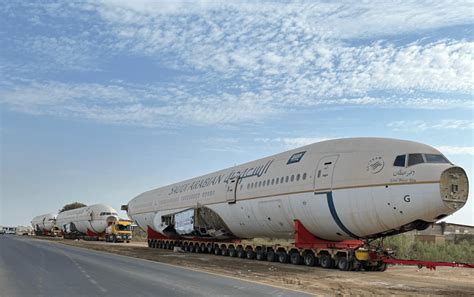
Boeing appears strongly positioned to capture the majority of widebody aircraft in the hypothetical order scenario. The Boeing 777X family, particularly the 777-9 passenger variant and 777-8F freighter, offers extremely high payload capacity combined with next-generation fuel efficiency. These characteristics align well with Saudia’s long-haul route structure and cargo growth ambitions.
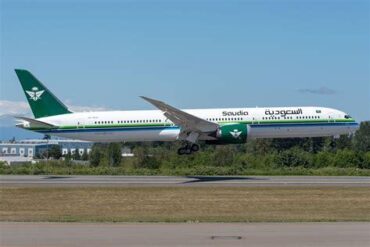
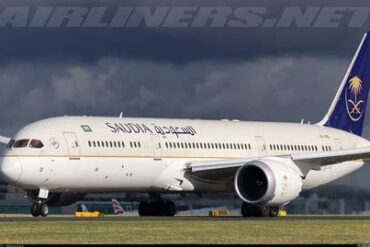
The airline already operates significant Boeing widebody capacity, including 777-300ER and 787 Dreamliner fleets. Maintaining platform continuity reduces training costs, maintenance complexity, and spare parts inventories, all of which become major cost multipliers in fleets approaching 200 aircraft.
Forecast models suggest that replacing older 777-300ER aircraft with 777-9 jets would deliver substantial improvements in fuel burn per seat while increasing total seat capacity. On long high-density routes connecting South Asia and Southeast Asia to Saudi Arabia, this could dramatically lower operating cost per passenger.
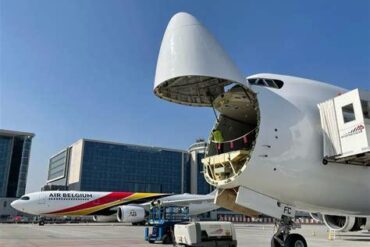
Cargo strategy is equally important. Dedicated freighters are essential for Saudi Arabia’s logistics ambitions, and the 777-8F offers range and payload advantages over older 747 freighters, making it a logical replacement platform.
Dreamliner Expansion and Medium-Capacity Long Haul Strategy
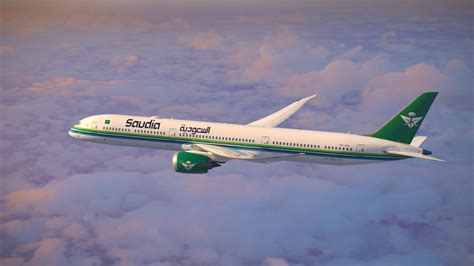
The Boeing 787 Dreamliner family fills a different strategic niche. It enables thinner long-haul routes that cannot sustain high-capacity widebody aircraft but still require intercontinental range. The aircraft’s composite airframe structure and advanced engines significantly reduce fuel burn, making it ideal for emerging routes tied to new tourism corridors.
Saudia already uses Dreamliners extensively for medium-density long-haul markets. Additional 787-9 and 787-10 aircraft would likely replace aging Airbus A330 aircraft while opening new long-distance routes without requiring full 777 capacity deployment.
From a network planning perspective, this creates a tiered widebody strategy. Ultra-high demand routes get 777-9 aircraft. Growing or seasonal markets get Dreamliners. This layered capacity approach maximizes profitability across different demand cycles.
Airbus Strength in Narrowbody Network Expansion
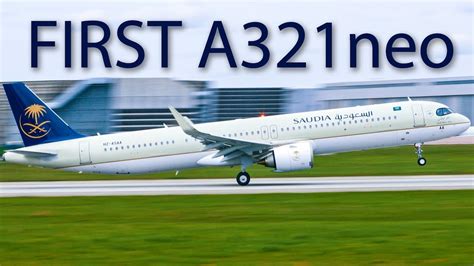
Airbus is positioned to dominate the narrowbody portion of any mega order. Saudia already operates an all-Airbus single-aisle fleet, and expanding within the same manufacturer ecosystem provides strong operational efficiency advantages.
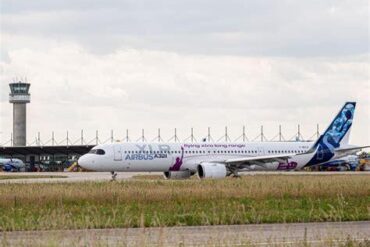
The A321neo offers excellent seat economics combined with strong range performance for regional and medium-haul international routes. The A321XLR variant extends this capability dramatically, enabling flights up to roughly eight hours. That opens new markets across Europe, Central Asia, and Africa without requiring widebody aircraft.
Narrowbody growth is essential because many international routes cannot support multiple daily widebody frequencies but can sustain frequent single-aisle operations. This frequency advantage improves connectivity through hub wave banking systems, strengthening transit traffic flows through Jeddah.
Previous Airbus orders across the Saudi aviation ecosystem demonstrate how central narrowbody aircraft are to expansion plans. Earlier deals for more than 100 A320neo family aircraft underline the importance of single-aisle capacity growth.
How Fleet Simplification Could Transform Operating Economics
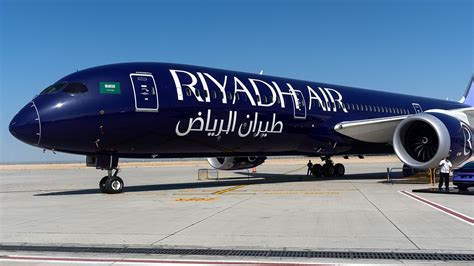
If Saudia adopts a Boeing-widebody and Airbus-narrowbody split, it would significantly reduce fleet complexity. Simplified fleets lower pilot training requirements, reduce spare parts inventories, and streamline maintenance procedures.
The airline currently operates multiple aircraft families across both manufacturers. Transitioning toward a narrower mix could generate millions in annual cost savings while improving scheduling flexibility and aircraft utilization.
Fleet modernization also supports customer experience upgrades. New aircraft enable premium economy installation, improved cabin humidity systems, and next-generation inflight entertainment infrastructure. These features help Saudia compete directly with Gulf super-connectors while maintaining strong national carrier identity.
Network Strategy: Jeddah Hub Expansion vs Riyadh Air Role
Saudi Arabia’s aviation strategy increasingly relies on a dual hub structure. Riyadh Air will likely focus on premium long-haul traffic linked to the capital, while Saudia strengthens Jeddah’s role as a global transit and religious travel hub.
Expanding narrowbody fleets supports short-haul feed traffic into long-haul banks. Expanding widebody fleets supports intercontinental connectivity. Together, they create network density that attracts connecting passengers, cargo flows, and alliance partnerships.
The government’s target of attracting massive tourist volumes by 2030 further reinforces the need for large aircraft acquisition programs across multiple carriers.
Projected Order Composition Scenario
A plausible scenario based on industry forecasting could resemble:
- 777-9 passenger aircraft forming the flagship long-haul backbone
- 787 Dreamliners supporting flexible intercontinental expansion
- A321neo aircraft expanding regional and medium-haul connectivity
- A321XLR aircraft opening new thin long-haul city pairs
- 777-8F freighters scaling cargo logistics capacity
Such a mix would balance growth, cost efficiency, and strategic network reach.
Global Aviation Impact of Saudia’s Mega Order
If finalized, the 150 aircraft deal would rank among the most important aviation orders of the decade. It would reinforce Saudi Arabia’s rise as a global aviation super-connector and reshape manufacturer competition across widebody and narrowbody segments.
For Boeing, securing widebody dominance would stabilize long-term production lines. For Airbus, narrowbody dominance would reinforce its market leadership in single-aisle aircraft. For Saudia, the result would be a fleet capable of supporting one of the fastest network expansions in modern aviation history.
The coming decade will likely determine whether Saudi Arabia becomes one of the world’s most influential aviation markets. Fleet decisions like this one are the chess moves that shape global air travel patterns for a generation.