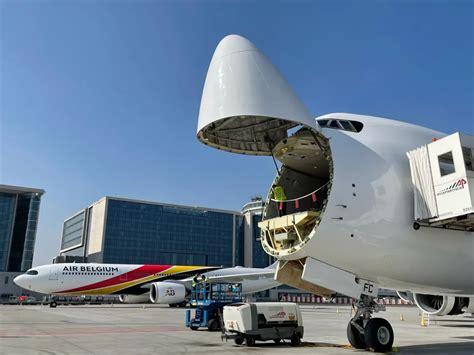
Air Belgium has officially pivoted its operations, marking a new era by retiring its entire Airbus fleet and doubling down on two Boeing 747-8F freighters. This sweeping shift is not merely a change in aircraft but a deliberate repositioning towards cargo and ACMI (Aircraft, Crew, Maintenance, and Insurance) services — a move that signals the airline’s long-term bet on air freight amid industry volatility and evolving global logistics demands.
A Bold Departure from Airbus and Passenger Roots
Founded in 2016 and headquartered in Mont-Saint-Guibert, Air Belgium originally set out to become a significant player in both passenger and cargo operations. Its fleet once featured a mix of Airbus A330-200, A330-200F, and A330-900neo aircraft, serving scheduled long-haul routes with aspirations of tapping into Asia and the Americas. However, the airline struggled with profitability and scale — a challenge magnified by post-pandemic market shifts and increasing operational costs.
The turning point came in October 2023, when Air Belgium halted all scheduled passenger flights. The strategic decision was driven by persistent financial losses, rising fuel prices, and growing competition in the long-haul segment. By grounding its Airbus aircraft and focusing exclusively on its cargo capabilities, the airline signaled a complete strategic realignment.
Why the Boeing 747-8F is Central to the Airline’s Future
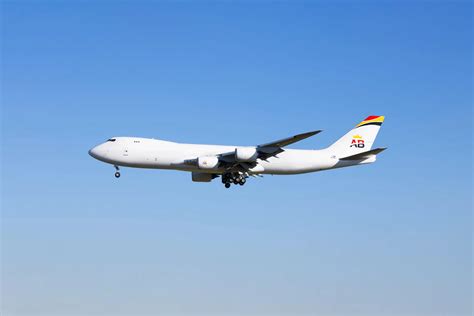
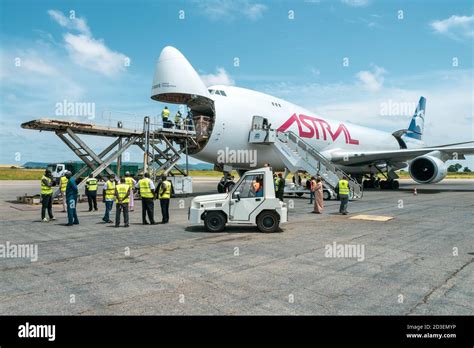
The Boeing 747-8F is widely regarded as a flagship in global cargo aviation. As the largest freighter variant of the legendary 747 family, it boasts a maximum payload of over 140 tonnes and a range exceeding 7,700 nautical miles. The aircraft’s distinctive nose-loading capability, along with its advanced fuel efficiency, makes it an ideal workhorse for carrying large volumes and outsized freight across continents.
Air Belgium currently operates two Boeing 747-8F aircraft, registered OE-LFC and OE-LFD. These aircraft are more than just metal — they are lifelines in the airline’s transformation. Leased from and operated in partnership with the Hongyuan Group, a major Chinese logistics company and stakeholder in the airline, the 747-8Fs serve a variety of high-demand freight corridors, particularly between Europe and Asia.
Their usage spans the transportation of high-value electronics, pharmaceutical products, and time-sensitive cargo, allowing Air Belgium to align with major global supply chain players and sustain a robust cargo revenue model.
Liquidation, Acquisition, and the CMA CGM Lifeline
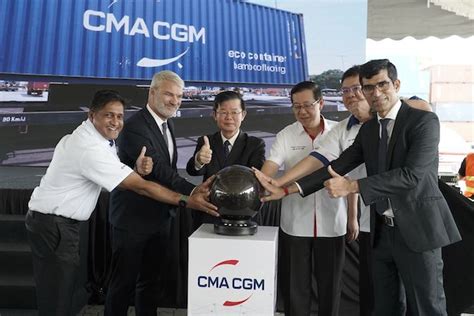
In April 2025, Air Belgium’s persistent financial struggles led to its placement under judicial liquidation by the Commercial Court of Walloon Brabant. While this marked a somber moment in the airline’s history, it also opened the door to a significant restructuring opportunity. The CMA CGM Group, a French logistics and shipping conglomerate, seized the moment.
Already a prominent name in air cargo through its CMA CGM Air Cargo division, the company acquired key assets of Air Belgium, including the 747-8F freighters and former A330-200F units. While the latter have since been phased out or reassigned, the acquisition allowed Air Belgium to retain its Belgian identity and continue operating out of Brussels Airport, now with deeper capital reserves and stronger logistics backing.
Under CMA CGM’s stewardship, Air Belgium benefits from synergies in ground logistics, integrated freight services, and a much broader global network. The brand remains intact, but its operational DNA has been transformed, embracing a model that is leaner, sharper, and entirely focused on air cargo services.
The Rise of ACMI Services: New Revenue Horizons
Air Belgium’s transition has not only narrowed its fleet but expanded its business model. By pivoting to ACMI operations, the airline enters a lucrative niche that’s gaining momentum worldwide. ACMI leasing involves providing aircraft, crew, maintenance, and insurance to other carriers — often in response to peak-season demand, fleet shortages, or route expansions.
For cargo operators, ACMI arrangements are particularly appealing. They offer capacity on demand without the long-term burden of owning and maintaining aircraft. Air Belgium’s Boeing 747-8Fs, with their size and range, are tailor-made for this model. The airline is already servicing contracts across Europe, the Middle East, and Asia, plugging into logistics hubs and ensuring supply chain continuity.
The shift also diversifies revenue streams. Rather than relying solely on scheduled operations or ad hoc freight contracts, ACMI allows Air Belgium to stabilize its cash flow, mitigate market volatility, and scale operations flexibly in response to demand.
Operational Efficiency Through Fleet Simplification
One of the most immediate benefits of Air Belgium’s transformation is streamlined operations. By retiring its Airbus aircraft and consolidating its fleet around the Boeing 747-8F, the airline significantly reduces costs related to training, maintenance, spare parts, and compliance management. This simplification enhances fleet availability and improves the airline’s ability to respond swiftly to customer needs.
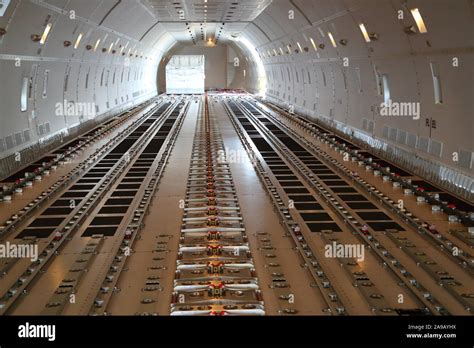
The 747-8F itself brings additional advantages. Equipped with GE’s GEnx-2B67 engines, the aircraft delivers improved fuel burn and lower carbon emissions than its predecessors. It’s also capable of handling multi-format cargo, from pallets and containers to irregularly shaped items. The aircraft’s upper-deck cockpit allows for a full-length main deck that maximizes cargo volume and load efficiency.
Strategic Role of Brussels Airport and Belgian Infrastructure
Despite ownership changes and operational overhauls, Air Belgium has retained its home base at Brussels Airport, which remains a critical hub in the European logistics chain. The airport’s cargo-friendly infrastructure, including automated warehousing, 24/7 customs clearance, and direct road links to continental Europe, enhances the efficiency of Air Belgium’s operations.
Moreover, Belgium’s central location in Europe and its proximity to major industrial zones make it a strategic launching point for freight destined for Germany, France, the Netherlands, and beyond. Air Belgium’s commitment to operating out of Brussels underscores a national interest in retaining aviation jobs and maintaining Belgium’s footprint in global aviation logistics.
Looking Ahead: Expansion and Adaptation in a Dynamic Market
The global air cargo market is in a period of accelerated transformation. E-commerce growth, reshoring of manufacturing, and increasing demand for just-in-time logistics have all contributed to an upward trajectory in air freight. Air Belgium is positioning itself to ride this wave, both by deepening its cargo specialization and by exploring new freight corridors.
Future plans reportedly include potential fleet growth under CMA CGM’s umbrella. While no formal orders have been announced, industry insiders speculate on the possible acquisition of additional Boeing 747-8F or 777F aircraft to further bolster capacity. There is also room for technological investment, such as the adoption of AI-powered logistics platforms, advanced cargo tracking, and blockchain integration for end-to-end supply chain visibility.
As part of its long-term strategy, Air Belgium is also exploring specialized cargo services — including pharmaceutical logistics, perishable goods, and high-security freight. These niches not only demand high standards of reliability and compliance but also command premium rates, which could substantially improve the airline’s financial performance.
Conclusion: Reinvention Through Precision and Purpose
Air Belgium’s evolution from a struggling hybrid airline to a purpose-driven cargo operator is a compelling case study in strategic reinvention. By ditching its Airbus fleet, embracing the Boeing 747-8F, and leaning into ACMI and logistics services, the airline is forging a new path that is both pragmatic and promising.
With the backing of CMA CGM, access to capital, and a clear operational focus, Air Belgium has created a platform that not only aligns with global logistics trends but positions itself as a resilient, adaptive, and specialized carrier in a highly competitive space. The road ahead will demand agility, innovation, and relentless execution — but Air Belgium’s latest moves suggest it is ready for the challenge.