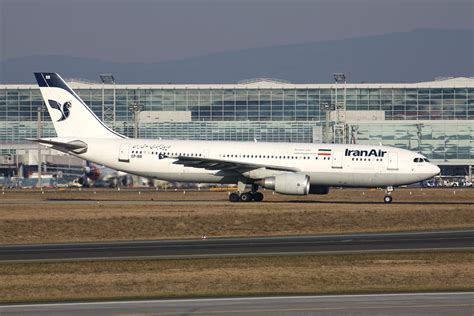
Iran Air, once an iconic player in Middle Eastern aviation, is quietly preparing for a dramatic return to the global skies, driven by renewed diplomatic negotiations and the potential easing of long-standing U.S. sanctions. The national carrier’s ambitions extend far beyond symbolic gestures—what is unfolding is a strategic reawakening, calculated to reposition Iran Air as a formidable player in international travel. With Boeing and Airbus back on its radar, the airline is crafting a bold, fleet-driven renaissance aimed at reconnecting East and West.
A Carrier Reemerges from Isolation
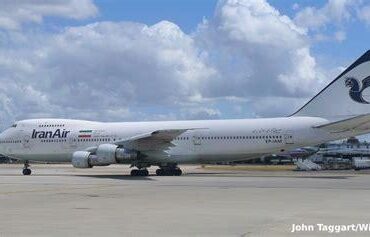
At the core of Iran Air’s global comeback is a meticulously orchestrated re-entry strategy, spurred by the possibility of restored trade pathways and access to aircraft manufacturing powerhouses. Decades of geopolitical isolation, exacerbated by U.S. and European sanctions, forced the airline to operate with an aging fleet and anemic service capabilities. Its operational aircraft dipped below 50—many in desperate need of spare parts or full replacements.
Despite these challenges, Iran Air refused to fade into aviation obscurity. Behind diplomatic curtains, the airline has been engaging key industry stakeholders, actively exploring the conditions required for revival. At the 2025 IATA Summit in New Delhi, Iran Air’s presence was more than symbolic. Its delegation sought codeshare opportunities with prominent players such as Japan Airlines, Vietnam Airlines, and Royal Air Maroc, signaling its readiness to reconnect globally through strategic alliances.
Whispers and Winks: Boeing and Airbus Back in the Picture
Perhaps the most telling indicator of Iran Air’s ambitions came during a private evening reception hosted by Boeing. While no formal agreements were signed, Iran Air’s participation in such an exclusive event is both symbolic and strategic. For a carrier previously blacklisted from access to Western aircraft, this interaction marks a subtle yet profound shift.
The airline’s management has made it clear: Russian and Chinese aircraft are not part of the long-term vision. Instead, Iran Air is positioning itself for Western-standard fleet renewal, with plans to expand to over 100 aircraft if sanctions are relaxed. That translates to billions of dollars in potential aircraft orders—a windfall for global manufacturers and a monumental step for Iranian civil aviation.
The Sanctions Chokehold and Its Operational Toll
For over a decade, sanctions have crippled Iran Air’s ability to modernize. U.S. and EU export controls have barred access to aircraft components, maintenance support, and essential logistics. As a result, aircraft have languished in hangars, and even basic services like refueling have been denied in certain foreign airports due to compliance fears.
Compounding this isolation were the political shocks of 2024, when reports emerged alleging Iran Air’s involvement in transporting weapons during the Russia-Ukraine conflict. Several European countries responded by banning Iran Air from their airspace, exacerbating its already fragile global footprint.
Iran Air’s Fleet Revival Strategy for 2025 and Beyond
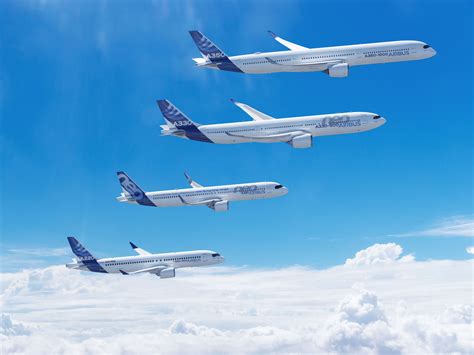
Iran Air’s fleet expansion plans are not merely about size—they are about signaling a return to global norms. The airline seeks aircraft that meet international safety and environmental standards, pointing decisively toward Boeing’s 737 MAX, 787 Dreamliner, and Airbus’s A320neo and A350 series. These models not only offer fuel efficiency and long-haul capability but also come with built-in reputational clout, essential for rebuilding trust.
If sanctions are lifted, Iran Air’s fleet strategy would prioritize:
- Immediate procurement of single-aisle aircraft for regional and medium-haul routes.
- Gradual acquisition of widebody jets to resume and launch long-haul destinations.
- Implementation of training programs and technical partnerships to bring maintenance and operations up to global standards.
The renewed fleet is expected to support an expansive route map that includes China, India, Thailand, Malaysia, and Japan—countries with strong historical and commercial ties to Iran.
Diplomatic Dominoes: The Fragility of Hope
Everything hinges on diplomacy. The U.S.-Iran negotiations, cautiously resumed in early 2025, have revived global speculation about a possible return to the 2015 Joint Comprehensive Plan of Action (JCPOA) framework. That landmark deal had once enabled Iran Air to place orders for 80 Boeing aircraft and 100 Airbus jets—contracts that vaporized after the U.S. withdrawal in 2018 under the Trump administration.
Recent signals suggest Tehran has submitted a counterproposal aimed at restarting talks. However, both sides remain wary. In Iran, hardliners distrust American motives, while in Washington, election-year politics have made any engagement with Iran a hot-button issue.
Ripple Effects Across the Aviation World
Should Iran Air’s ambitions materialize, the global aviation ecosystem stands to benefit in multiple ways:
- Aircraft manufacturers would gain access to a major, underserved market.
- MRO providers (Maintenance, Repair, and Overhaul) could establish new service contracts within Iran.
- Tourism boards and airport operators in Asia and the Middle East would experience increased traffic and transit flows.
- Travelers across Asia and Europe would gain more route options, potentially driving down fares and opening new cultural corridors.
For Iran, the revival of Iran Air isn’t just an airline story—it’s an economic catalyst. Enhanced connectivity would stimulate tourism, business travel, and trade, enabling cities like Tehran, Shiraz, and Mashhad to re-emerge as important nodes in global travel.
Cautious Optimism and Operational Readiness
While Iran Air is proceeding without public fanfare, its internal momentum is unmistakable. Infrastructure investments, staff training upgrades, and IT overhauls are reportedly underway, all designed to ensure immediate scalability once external barriers fall.
This preparation highlights a key distinction: Iran Air is not waiting to react—it is preparing to act. From market assessments to vendor outreach, the groundwork for relaunch is already in motion. Executives at the airline reportedly believe that a six-month window post-sanctions relief would be enough to launch an aggressive expansion phase.
Risks That Could Derail the Ascent
Yet, optimism must be tempered by the sobering risks still looming large:
- Geopolitical volatility in both Iran and the U.S. could collapse diplomatic progress overnight.
- Regulatory hurdles from FAA, EASA, and other global aviation watchdogs would require rigorous certification processes.
- Public perception issues stemming from past controversies may affect passenger willingness to board Iran Air flights.
- Insurance and liability coverage, critical for international operations, may remain restricted if political uncertainty continues.
Even among potential partners, hesitation persists. Until there is full legal clarity, airlines may avoid formal deals, and leasing companies may refrain from entering contracts. This standoffish stance underscores the high stakes involved—not just for Iran Air, but for those who would do business with it.
The Global Travel Landscape—Poised for a Shift
If Iran Air completes its return, the aviation map of Eurasia and the Middle East could be redrawn. A revitalized Iran Air has the potential to operate as a bridge carrier, facilitating direct routes that bypass overburdened Gulf hubs. For travelers, the result is a more diversified, competitive, and resilient network.
Such a shift could also carry soft power implications, giving Iran a renewed platform for international engagement and diplomacy through civil aviation. In this context, Iran Air is more than just an airline—it is a barometer for Iran’s reintegration into the global order.
Conclusion: At the Crossroads of Politics and Possibility
The path ahead for Iran Air is uncertain, but undeniably compelling. With its eyes set on Boeing and Airbus, and its heart set on reclaiming its place in the skies, the airline stands at the intersection of aspiration and diplomacy. The next few months will be pivotal—not just for Iran Air, but for the future of global aviation.
Whether this moment marks the beginning of a renaissance or yet another false dawn depends on forces far beyond the tarmac. But for now, Iran Air is ready to fly again—and the world is finally watching.