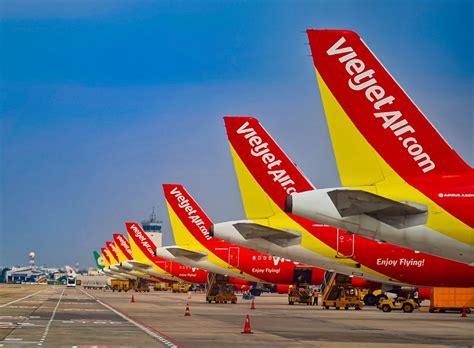
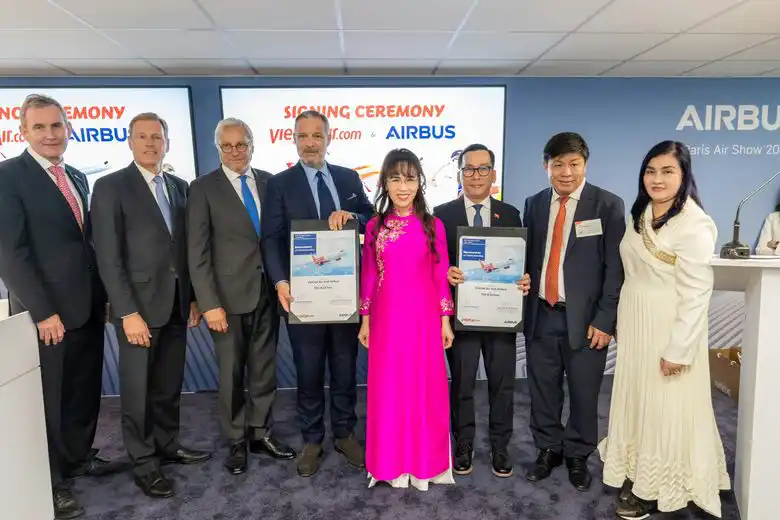
Vietnam and Japan have taken a decisive leap in international aerospace collaboration, uniting through a massive investment that sees Vietjet committing to a purchase of 100 Airbus A321neo aircraft, with an option for 50 more. This landmark deal—unveiled at the Paris Air Show 2025—carries immense implications not only for Vietjet’s future growth but also for Airbus’ production capabilities at the Broughton wing manufacturing facility in Deeside, North Wales.
The synergy between the two Asian economies, paired with their commitment to fostering industrial innovation, positions this venture as a pivotal moment for global aviation, economic diplomacy, and sustainable manufacturing. By cementing its place as a key player in the international aviation industry, Vietjet is not only modernizing its fleet but simultaneously amplifying the impact of UK-based manufacturing in a post-Brexit world.
A Historic Deal Signed at Paris Air Show 2025
The signing of the Memorandum of Understanding (MoU) between Vietjet and Airbus during the Paris Air Show underscores the importance of high-profile aerospace trade exhibitions as catalysts for strategic partnerships. For Vietjet, this purchase builds upon a long-standing relationship with Airbus, which has already supplied more than 100 aircraft to the Vietnamese low-cost carrier.
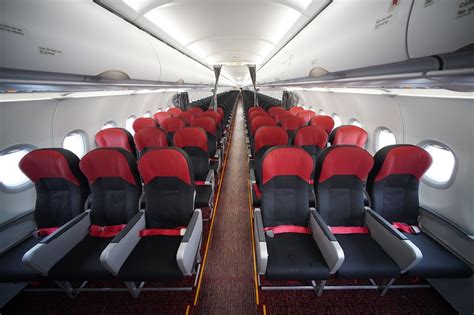
The timing of this agreement is strategic, aligning with Vietjet’s ambitions to become a dominant force in regional and international markets. With tourism and business travel surging post-pandemic, the airline is primed to scale operations quickly. The A321neo aircraft, known for their fuel efficiency, enhanced passenger comfort, and reduced environmental footprint, are perfectly suited for Vietjet’s expansion strategy.
Airbus A321neo: Powering the Next Generation Fleet
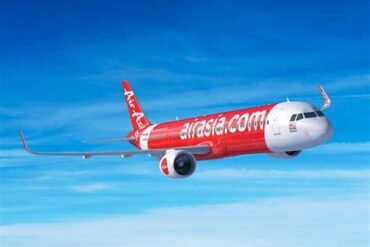
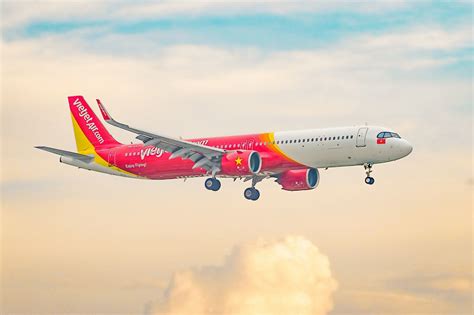
At the heart of this deal lies the Airbus A321neo, a narrow-body aircraft that belongs to the A320neo family. Designed with advanced aerodynamics, Sharklet wingtip devices, and new generation engines, the A321neo reduces fuel consumption by up to 20% compared to previous models.
This aircraft offers multiple advantages:
- Lower carbon emissions per passenger kilometer
- Extended range capabilities for longer routes
- Increased seating capacity, enabling higher revenues per flight
- Quieter engine operation, significantly reducing noise pollution
These benefits dovetail with Vietjet’s priorities, as the airline seeks to maintain a low-cost business model while improving operational sustainability. The incorporation of these aircraft not only streamlines fleet maintenance but also cuts fuel and operating expenses—key metrics for any airline navigating competitive international markets.
Fueling Broughton: Strategic Boost to UK Manufacturing
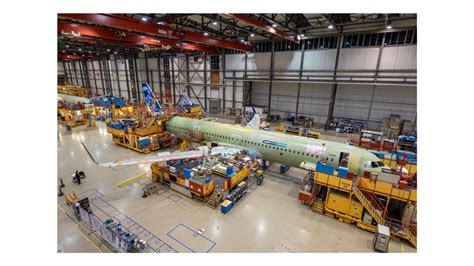
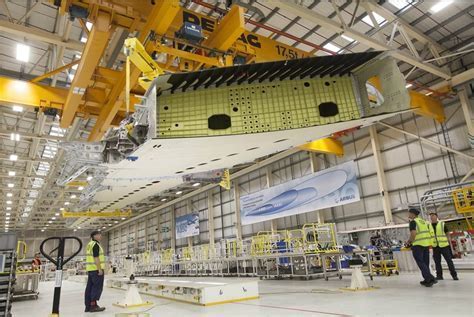
Integral to this agreement is the Airbus Broughton wing manufacturing plant, where the wings for the A321neo are fabricated. Located in Deeside, North Wales, the facility is not only a pillar of the UK’s aerospace sector, but also a symbol of industrial excellence.
With increased orders from carriers like Vietjet, the Broughton plant is set to ramp up its operations, ensuring:
- Higher output volumes to meet global demand
- Job creation and retention across highly-skilled labor sectors
- Increased investment in automation and wing technology
- Economic spillover into the Welsh and broader UK manufacturing ecosystem
The plant’s enhanced role in the Airbus production chain will significantly contribute to sustaining more than 6,000 jobs on-site, while also energizing local supplier networks. This rising demand underscores Wales’ capacity to compete on a global stage, as the region continues to attract multinational aerospace and defense companies.
A Tri-Nation Win: Vietnam, Japan, and the UK
The trilateral ripple effect from this investment resonates across borders. For Vietnam, it’s a bold step forward in aviation modernization and economic outreach. For Japan, it marks deeper engagement in Southeast Asian industrial development, underscoring the country’s broader strategy of building stronger regional alliances through economic cooperation.
Japan’s participation in backing this deal is also indicative of its push to secure strategic industrial footholds beyond its borders, especially in sectors tied to sustainability, technology, and global supply chains. Meanwhile, the UK benefits from export demand and job creation, particularly in the aerospace-heavy region of Wales.
This level of cooperation hints at a new era of multi-national industrial investment, one that is increasingly decentralized, environmentally conscious, and technologically advanced.
Vietjet’s Expanding Network: From Regional to Global
Vietjet’s rapid transformation from a budget-friendly domestic airline into a global player is no coincidence. The airline’s aggressive fleet strategy, demonstrated by this Airbus deal, reflects its clear intention to:
- Expand routes across Asia-Pacific, Europe, and North America
- Open new long-haul and high-demand corridors
- Establish secondary hubs in strategic cities for cargo and passenger traffic
- Enhance connectivity in underserved regions through point-to-point routes
The new aircraft will enable Vietjet to optimize cost-per-seat-mile economics, allowing it to offer competitive fares while maintaining profitability. This aligns with the airline’s philosophy of democratizing air travel and making flying more accessible to a broader population across the region.
The Role of the Paris Air Show in Global Aviation Diplomacy
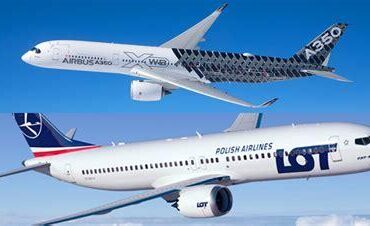
Held biennially, the Paris Air Show is one of the most influential aerospace events worldwide. The 2025 edition proved no different, acting as the launchpad for numerous multibillion-dollar deals—including those from Riyadh Air, ANA Holdings, and LOT Polish Airlines. Airbus leveraged the opportunity to reaffirm its market dominance across the A220, A320neo, and A350 families.
What makes the show particularly significant is its role as a platform for state-level economic engagement. Wales, for instance, utilized the event to spotlight its aerospace sector, which contributes over £1.5 billion in Gross Value Added (GVA) and supports around 16,000 jobs across 285 companies. The presence of global manufacturers like BAE Systems, RTX, Thales, and GE Aerospace in Wales further highlights the region’s role as a key driver of UK defense and aviation technology.
Environmental Gains: A Shared Responsibility
This Vietjet-Airbus agreement is also notable for its commitment to eco-efficient aviation. The A321neo stands as a benchmark for reduced emissions and fuel burn, crucial in an industry under growing pressure to cut its environmental footprint.
Airbus has made sustainability a core pillar of its innovation roadmap, focusing on:
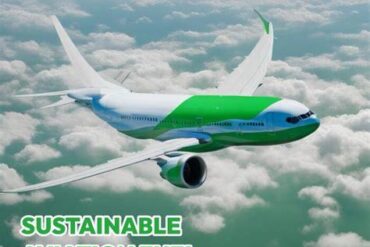
- Green propulsion systems, including hydrogen and SAF (Sustainable Aviation Fuel)
- Noise abatement technologies in engine design
- Lightweight composite materials that enhance fuel economy
Vietjet’s adoption of the A321neo contributes to this broader push, aligning with ICAO’s 2050 net-zero carbon emissions vision. With regional players like Vietjet committing to cleaner fleets, the industry edges closer to a sustainable and scalable aviation future.
Conclusion: Strategic Aviation Investment with Global Impact
The massive aircraft deal between Vietjet and Airbus, backed by Vietnamese and Japanese investment, is more than just a transaction—it’s a testament to the power of strategic international collaboration. This agreement brings growth and innovation to all corners of the supply chain: boosting UK aerospace manufacturing, enhancing Vietjet’s fleet efficiency, and solidifying Japan’s role as a regional economic ally.
As global aviation continues to rebound, and the need for efficient, sustainable air travel grows more urgent, such partnerships are not only welcomed—they’re necessary. With Broughton ramping up production and Vietjet preparing to launch an upgraded fleet, this deal is poised to shape the next era of commercial aviation across three continents.