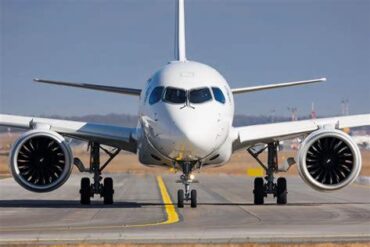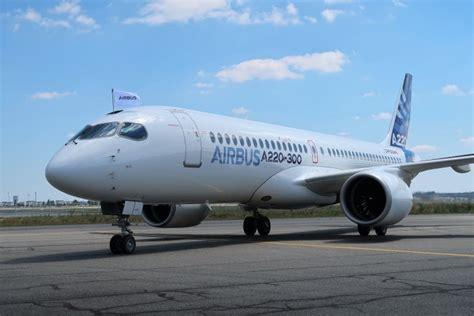
The Airbus A220 has rapidly emerged as a beloved aircraft not just for passengers—but particularly for pilots. Originally launched as the Bombardier CSeries, this narrow-body jet was born from innovation in Quebec, Canada. Now under the Airbus banner, the A220 program has maintained its pioneering spirit, combining fuel efficiency, modern avionics, and remarkable handling characteristics that have earned it widespread admiration among flight crews.
With its sleek design and advanced technology, the A220 provides an experience that is a cut above traditional narrow-body aircraft. Its appeal spans both the A220-100 and the larger A220-300 variant, serving a global network of operators from Delta Air Lines to SWISS and airBaltic. This aircraft doesn’t just perform—it redefines how pilots engage with the cockpit.
A Pilot’s Perspective: Why the A220 Stands Out in the Sky
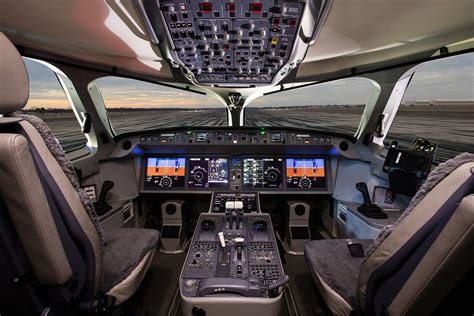
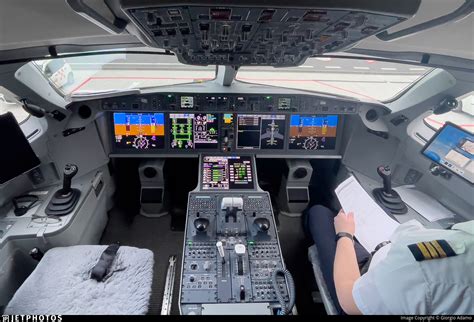
Flying the A220 feels fundamentally different due to its state-of-the-art flight deck. The fly-by-wire technology significantly enhances handling, making the aircraft feel more like a large jet than a regional one. The flight control system automatically stabilizes the aircraft in turbulent conditions, reducing pilot workload and allowing more focus on decision-making and safety.
Pilots often praise the A220 for its intuitive avionics suite, which includes:
- Large LCD displays with customizable layouts
- Side-stick controllers, similar to those on larger Airbus aircraft
- Advanced synthetic vision systems
- Predictive maintenance tools, improving operational reliability
The ergonomics of the cockpit are another selling point. From seat adjustability to visibility, every element of the flight deck has been designed with the pilot in mind. With wide windshields and less cluttered instrumentation, situational awareness is vastly improved.
Built for Performance: Engineering That Delivers
The A220’s airframe is a marvel of modern engineering. The use of carbon composite materials in the wings and aluminum-lithium alloys in the fuselage delivers a lighter aircraft without compromising strength. This translates to higher fuel efficiency, longer range, and better climb rates—factors that matter deeply to pilots.
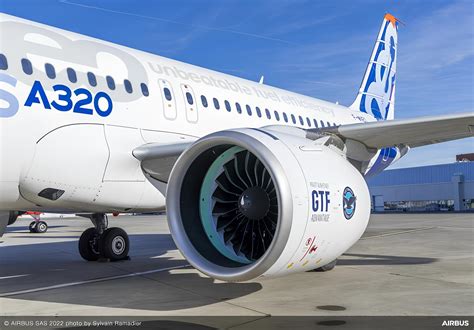
Each A220 is powered by the Pratt & Whitney PW1500G geared turbofan engines, delivering up to 23,300 lbf of thrust. These engines are not only quieter—meeting even the strictest airport noise requirements—but also reduce fuel burn by up to 25% compared to older models like the Boeing 737-600. The aircraft also generates 50% less noise than comparable jets, which enhances pilot communication and reduces fatigue.
Runway Royalty: The A220’s Short-Field and Steep Approach Capabilities
The A220 was built to thrive in environments where other jets struggle. Its ability to operate from short runways—as short as 1,200 meters (0.74 miles)—makes it a favorite for pilots flying into challenging airports like London City (LCY). Certified for steep approaches, the A220-100 is the largest aircraft approved to operate at LCY, giving it access to premium slots typically dominated by smaller turboprops.
Thanks to ETOPS certification of up to 180 minutes, the A220 can confidently operate transcontinental routes and isolated island hops, allowing flight crews to push geographic boundaries with assurance. This makes it an excellent alternative to traditional narrow-bodies when operational flexibility is paramount.
Proven Safety and Reliability
With over 1.5 million flights logged and 2.6 million block hours completed, the A220 has built a solid operational track record. Only one significant incident has been reported—a 2024 smoke event on a SWISS flight—underscoring the aircraft’s overall safety and dependability.
Airbus’ dedication to predictive analytics and on-wing engine durability ensures fewer disruptions and less time on the ground. For pilots, this means increased confidence in the jet’s systems and fewer maintenance-related complications that can lead to delays or diversions.
A Deep Dive Into the A220-100: Precision in a Compact Frame
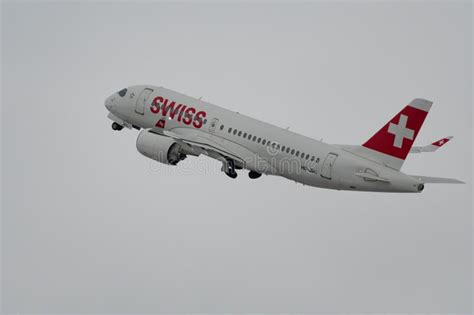
The A220-100, previously the CS100, is the smaller sibling in the A220 family. Measuring 114 ft 10 in (35 meters) and seating up to 135 passengers, this variant is ideal for urban, high-frequency routes. Its takeoff and landing performance—with minimum requirements of 1,500 meters for takeoff and 1,390 meters for landing—gives it a superior advantage over competitors in constrained airport settings.
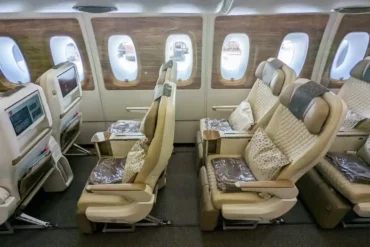
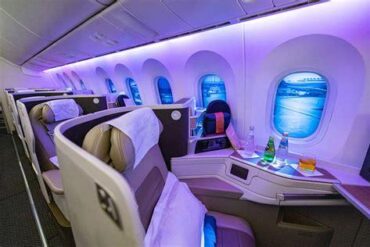
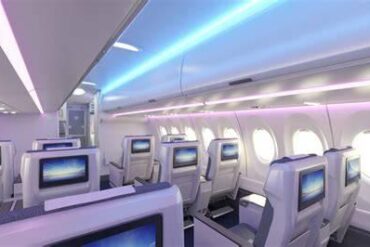
Its cabin configuration, which usually features a 2-3 seating layout, is also more favorable from a pilot perspective. Faster boarding and fewer bottlenecks mean shorter turnaround times, which translates to more efficient flying hours.
The A220-300: The Sweet Spot for Medium-Haul Dominance
The larger A220-300, formerly CS300, stretches the fuselage to 127 ft (38.71 meters) and accommodates up to 160 passengers in a single-class layout. Airlines like airBaltic have built entire route structures around its range and efficiency. From Riga to Dubai, the aircraft performs with precision and reliability.
Notably, the A220-300 weighs 6 to 8 tonnes less than competing Airbus and Boeing models like the A319neo and the 737 MAX 7. This reduction in weight—without compromising structural integrity—enhances flight dynamics and reduces fuel consumption, giving pilots a responsive, agile aircraft that performs smoothly across varying mission profiles.
Despite its size, the A220-300’s handling characteristics remain similar to the -100, meaning pilots certified on one can fly the other with minimal additional training. This fleet commonality provides scheduling flexibility and lower training costs for airlines, while pilots enjoy a broader scope of operation within the same type rating.
Operational Efficiency That Pilots Feel Every Day
From cockpit systems to airframe dynamics, the A220 was crafted for day-to-day performance. With a lighter airframe and aerodynamic optimization, the aircraft can cruise more efficiently, reach altitude faster, and respond more nimbly to pilot inputs.
The aircraft’s systems integrate seamlessly, reducing workload and enhancing focus. Autopilot functions are responsive, flight control laws are forgiving yet precise, and the side-stick interface makes hand-flying the aircraft a joy—especially during approach and landing phases.
In a sector where most jets prioritize capacity over nuance, the A220 dares to blend performance with finesse, resulting in an aircraft that feels less like a tool and more like an extension of the pilot’s command.
The A220’s Future: Bigger Horizons on the Horizon
Looking ahead, Airbus is exploring the A220-500, a stretched version that could seat up to 180 passengers. This variant would compete directly with the A320, while offering the same cockpit experience and operational efficiency that has made the A220 a success.
Additionally, integration with sustainable aviation fuel (SAF) and new eco-friendly propulsion research aligns the A220 with future aviation needs. For pilots, this transition will mean flying aircraft that are not only advanced in capability but also leaders in sustainability.
The demand for the A220 continues to soar, with over 900 total orders and more than 400 already delivered. Its popularity shows no signs of slowing, and for pilots around the globe, it represents the ideal blend of technology, comfort, and performance.
Final Thoughts: More Than Just a Jet
The Airbus A220 is more than an aircraft—it’s a revolution in pilot experience. Every inch of its design reflects a commitment to operational excellence, flight efficiency, and cockpit sophistication. From short regional hops to longer-range missions, the A220 handles it all with poise, making it a true pilot’s aircraft in every sense of the word.
As aviation evolves, the A220 stands as a beacon of what’s possible when cutting-edge engineering meets practical pilot-centric design. Whether it’s gliding into a tight urban airport or cruising over a continent, the A220 delivers a level of confidence, clarity, and control that few other aircraft can match.