Flying into a stall can be one of the most intimidating moments for student pilots. The blaring stall warning, the abrupt nose drop, and an unpredictable wing dip all contribute to a feeling of losing control. But what if we told you that there’s a way to train your body and brain to stay calm through all of it? That method is called the falling leaf maneuver, and it’s one of the most effective tools for mastering stall behavior and control.
Understanding the True Nature of a Stall
A common fear among new aviators is that a stall means the aircraft is no longer flying. That’s not accurate. In truth, an aircraft in a stall is still flying—it’s just not generating enough lift to maintain level flight. The Federal Aviation Administration defines a stall as the point where “an increase in angle of attack results in a decrease in lift.” This doesn’t mean the aircraft has ceased to fly altogether—it means that the wings have reached their aerodynamic limit.
What follows is a critical concept in aircraft stability: when the lift drops off, the aircraft’s center of gravity, which lies ahead of the center of lift, causes the nose to pitch downward. This natural pitch-down is not a sign of doom. It’s the aircraft’s way of recovering by lowering the angle of attack and allowing airspeed to increase, restoring lift and allowing flight to resume.
Why a Wing Drops in a Stall
A wing drop is one of the more disorienting parts of a stall for students. It’s often caused by lack of coordinated flight. If rudder input isn’t correctly balanced with ailerons, each wing may reach the critical angle of attack at slightly different times. The wing that stalls first—often the one with a higher angle of attack—will drop.
The instinctive reaction might be to correct with ailerons. But that’s a mistake. Using ailerons in a stall can increase the angle of attack further on the downward wing, worsening the stall. The proper technique is to use opposite rudder to counteract the roll. Coordination is everything.
Introducing the Falling Leaf Maneuver
The falling leaf maneuver is designed to strip away the fear of stalls through repetition, rhythm, and reactive control. Think of it as a graceful, controlled descent through repeated stalls. It’s called “falling leaf” because the aircraft mimics the fluttering motion of a leaf as it falls.
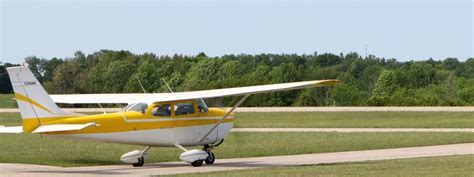
To perform the maneuver, the pilot first enters a power-off stall, just as they would in standard training. But here’s the twist: instead of releasing back pressure on the yoke after the stall breaks, you keep the yoke pulled back. This causes the aircraft to pitch up again and re-enter another stall. The process repeats, often leading to multiple successive stalls.
The purpose is to maintain control with rudder inputs only, correcting wing drops without altering elevator input. This keeps the aircraft in a cycle of stall–recover–stall while the pilot works to keep the wings as level as possible.
Executing the Falling Leaf Safely
Safety is paramount. This maneuver should only be attempted at a safe altitude—at least 1,500 feet AGL in a single-engine aircraft, and ideally with a certified flight instructor (CFI) onboard for the first attempts. Here’s a quick summary of the procedure:
- Begin at a safe altitude, in clear weather and with plenty of airspace.
- Configure the aircraft for a power-off stall (idle throttle, flaps as required).
- As the aircraft stalls, maintain full back pressure on the yoke.
- Use gentle rudder inputs to correct any wing drop. Never use ailerons.
- The aircraft will pitch down and recover, then climb again into a new stall.
- Repeat until you reach the safe recovery altitude.
The goal is not just to avoid the stall but to become comfortable managing it. By staying in the stall envelope longer and controlling the aircraft through it, pilots build confidence and learn the nuances of their aircraft’s flight characteristics.
Common Errors and Corrections
Pilots often face a few recurring issues during the falling leaf. Delayed rudder response is among the most common. Many pilots keep their eyes glued to the nose, waiting to see movement. Instead, it’s better to focus on the horizon, using peripheral vision to detect wing drops early.
Another issue is overcorrecting with the rudder. If you jab the rudder pedal too hard or hold it too long, you’ll cause oscillations—rapid, unnatural wing rocking. The solution is to “dance” on the rudder pedals, applying brief, balanced pressure to regain control.
Finally, some pilots find their aircraft exits the stall too quickly and doesn’t re-enter a new one. This is often due to inadequate back pressure. To correct this, ensure the elevator is held fully back throughout the maneuver, unless safety or altitude dictates recovery.
Building Confidence Through Repetition
One of the most powerful aspects of the falling leaf is psychological. Pilots who fear stalls often fear the unknown—how the aircraft will behave, whether they’ll lose control, or how they’ll respond under pressure. This maneuver turns the unknown into the familiar.
As pilots practice, they begin to recognize stall characteristics not as threats, but as cues. The buffeting, the nose dip, the sluggish controls—all become part of a known script. And as comfort increases, so does precision. Pilots begin to sense the onset of a stall early, respond faster, and feel more in control during recovery.
More importantly, it reinforces rudder coordination, an often-neglected skill. In the era of tricycle gear trainers and yaw-stable aircraft, many student pilots underutilize the rudder. The falling leaf makes the rudder the central control axis, training students to use their feet with the finesse of their hands.
Why Even Experienced Pilots Benefit
Even if you’ve already passed your checkride or logged hundreds of hours, this maneuver still offers value. Think of it as aerobics for your rudder coordination. Like practicing stalls or steep turns, the falling leaf keeps your stick-and-rudder skills sharp.
When combined with scenario-based training, such as practicing base-to-final stalls or emergency approach patterns, this maneuver prepares you for the unexpected. Aircraft upset recovery, stall–spin avoidance, and unusual attitude control all trace their roots back to understanding how aircraft behave near the limits of the envelope.
Final Thoughts: Master the Leaf, Master the Stall
The falling leaf maneuver demystifies and destigmatizes stalls. Through controlled exposure, precise rudder work, and repetition, pilots can retrain their instincts to remain calm and decisive during one of flight’s most misunderstood conditions. Whether you’re in training or refining your skills years later, the falling leaf offers a flight experience that’s educational, confidence-building, and essential to true aircraft mastery.
Remember to always fly with a qualified instructor the first few times you attempt this maneuver. Monitor your altitude, stay hydrated, and trust the design of your aircraft. It’s built to fly—even through a stall. The better you understand it, the better pilot you become.