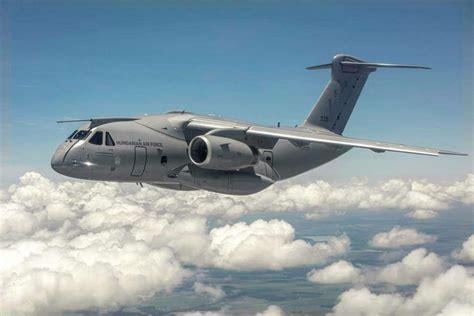
Nigeria’s long-running effort to modernize its air transport fleet has reached a pivotal crossroads. The Nigerian Air Force (NAF), grappling with urgent logistical challenges and security pressures, had set its sights on the Airbus C-295, a versatile light transport aircraft. Yet as the proposed deal continues to stall, another contender has entered the fray—Embraer’s C-390 Millennium, a more powerful, multi-role transport aircraft designed to serve heavier loads and more demanding missions. The shift in momentum marks a critical phase in Nigeria’s defence strategy, with implications that extend well beyond its borders.
The Delay That Opened the Door for Embraer
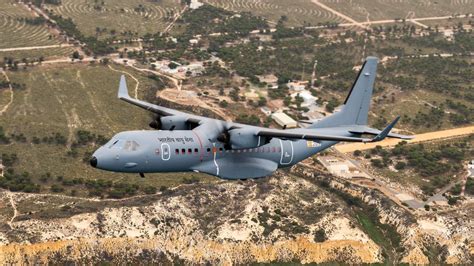
The NAF’s interest in the C-295 dates back to October 2016, when a Nigerian delegation visited Spain to evaluate the aircraft. In 2022, discussions became formalised when then-Chief of Air Staff, Air Marshal Oladayo Amao, welcomed Spanish Ambassador Juan Ignacio Sell in Abuja, outlining a multi-faceted defence partnership. The plan envisioned the C-295 as a linchpin for transporting troops, conducting medical evacuations, and expanding intelligence-gathering capacities.
Despite the optimism, the project has languished. Sources close to the negotiation cite persistent financing bottlenecks, sluggish approvals from the defence ministry, and broader fiscal constraints. Although Airbus proposed export credit arrangements to ease payment concerns, no final agreement has materialized. A visit by Defence Minister Mohammed Badaru Abubakar and NAF officials to Madrid in July 2024 highlighted Abuja’s increasing frustration—and urgency.
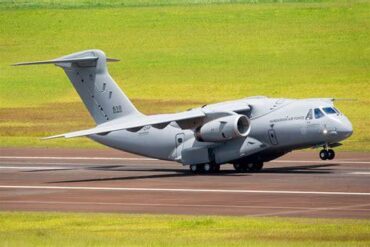
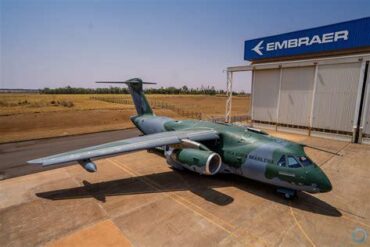
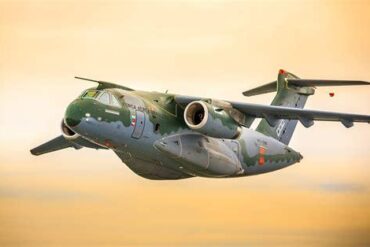
Meanwhile, Embraer seized the opportunity. With the C-295 deal in limbo, the Brazilian aerospace giant launched a robust campaign to pitch its C-390 Millennium as a superior alternative. The aircraft, which falls into the medium-to-heavy lift category, made a strategic appearance in Kaduna in early 2024 for a demonstration flight witnessed by top NAF brass. By April 2024, Air Marshal Abubakar was in Brazil, further deepening bilateral defence talks.
C-295 vs. C-390: Capabilities in Contrast
The Airbus C-295 has earned a global reputation for versatility and cost-efficiency. As a light tactical transport aircraft, it can land on short, unprepared runways and is well-suited for missions like troop deployment, cargo movement, ISR (intelligence, surveillance, and reconnaissance), and humanitarian support. Its low operating costs make it attractive for nations with constrained budgets, like Nigeria.
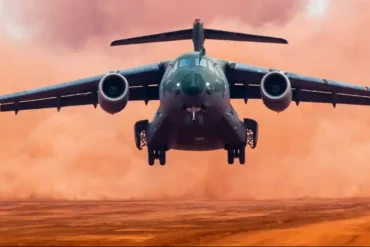
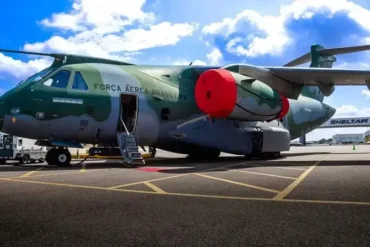
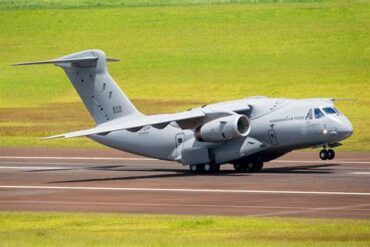
However, the C-390 Millennium brings significantly more to the table in terms of raw power, payload, and mission flexibility. With a max payload capacity of 26 tonnes, high cruising speeds, and in-flight refuelling capabilities, the C-390 can fulfill a broader range of missions—from strategic airlift to disaster relief. It is also designed for NATO interoperability, a factor that could enhance Nigeria’s strategic alignment.
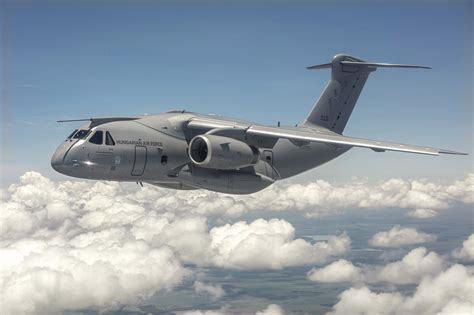
These differences embody a broader strategic choice. The C-295 is ideal for routine, lower-intensity missions and fits well within Nigeria’s existing support infrastructure. The C-390, by contrast, offers long-term potential to expand Nigeria’s power projection and support rapid deployments across Africa.
Africa: A Strategic Battleground for Aerospace Giants
The Nigerian case is just one front in a broader competition playing out across Africa, where countries are increasingly in the market for new airlift capabilities. Embraer has undertaken an aggressive expansion campaign on the continent. At the 4th African Air Forces Forum, held in Lagos from May 22–23, 2025, the C-390 featured prominently among exhibits, capitalizing on NAF’s 61st anniversary celebrations to engage with key military and political stakeholders.
Earlier, from September 18 to 22, 2024, the C-390 was showcased at the Africa Aerospace and Defence (AAD) exhibition in South Africa, where it drew the attention of President Cyril Ramaphosa and Defence Minister Angie Motshekga. The aircraft’s multi-role potential—spanning firefighting, peacekeeping, and search-and-rescue—aligned well with South Africa’s diverse mission portfolio. In November 2023, the aircraft was also demonstrated to the South African Air Force (SAAF) as a potential replacement for its ageing C-130BZ Hercules fleet.
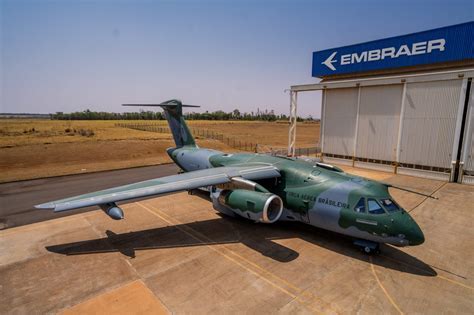
By November 2024, a South African delegation that included Brigadier General Carl Moatshe and executives from Denel visited Embraer’s factories in Brazil, signalling deepening ties. This culminated in a memorandum of understanding (MoU), solidifying Embraer’s foothold in southern Africa. The A-29 Super Tucano, also manufactured by Embraer and already operational in Nigeria, further strengthened its African portfolio.
Nigeria’s Role as a Regional Bellwether
Nigeria, Africa’s most populous nation and one of its largest economies, occupies a critical position in shaping West African military trends. Its procurement choices often influence smaller regional players, making the NAF contract a coveted prize for both Airbus and Embraer.
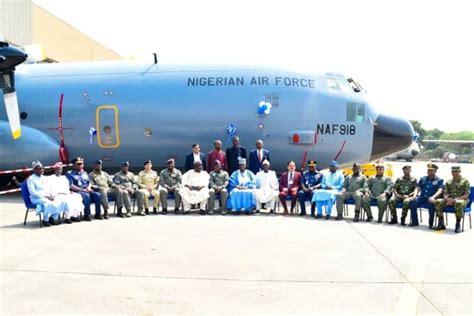
The NAF’s transport fleet is in dire need of modernization. With only three ageing Lockheed Martin C-130H Hercules, originally acquired in 1975, the Air Force struggles to maintain operational readiness across its huge territory. From counterinsurgency operations in the northeast to disaster relief missions in the Niger Delta, the demands are growing, and delays in procurement are increasingly costly.
The Political and Economic Calculus
Despite the allure of the C-390’s capabilities, financial concerns may ultimately tip the balance. Nigeria continues to face budgetary constraints amid competing national priorities. The Ministry of Defence remains slow to approve significant foreign procurement deals, even with export credit options on the table. This same challenge plagued the Airbus C-295 deal, and Embraer’s C-390 is not immune to similar obstacles.
Moreover, defence analysts suggest that while the C-390’s performance is compelling, its maintenance and lifecycle costs could exceed Nigeria’s long-term budget thresholds, especially if new training, spare parts, and infrastructure investment are required. On the other hand, Airbus can offer the advantage of an existing global support network and a longer history with African operators.
China Eyes the Skies with the Y-20 E
Adding another dimension to the competition, China has floated its own heavyweight contender: the Y-20 E “Chubby Girl”, the largest military transport aircraft currently in production. With the capacity to carry up to 73 short tons of payload and a proven ability to operate in high altitude, hot climate, and rough terrain conditions, the Y-20 offers massive logistical capability.

Though not yet formally in contention for Nigeria’s transport upgrade, Chinese officials have expressed interest in engaging with Abuja on the matter. The Y-20 E’s sheer capacity and Beijing’s penchant for financing deals with favourable state-backed loans make it an option worth watching.
The Future of Nigeria’s Strategic Lift Capability
As 2025 progresses, the NAF’s modernization path remains in flux. Embraer’s high-powered lobbying and the C-390’s superior specifications have made the Brazilian platform a formidable challenger. Airbus, despite being the original front-runner, risks losing momentum unless it can finalise a deal with Nigeria’s defence establishment.
Ultimately, the decision will hinge on Nigeria’s ability to reconcile strategic ambitions with fiscal realities. The C-295 may no longer be the most cutting-edge option, but its affordability, proven track record, and adaptability to multi-role missions ensure it remains a solid fit. Conversely, the C-390 represents a bold leap forward—a future-facing asset for a country that increasingly aspires to regional leadership.
The competition underscores a broader shift in Africa’s defence posture. No longer content with outdated fleets, countries like Nigeria, South Africa, and Angola are signalling a new era of air power investment, aligning procurement decisions with modern threats and emerging geopolitical realities.
How Nigeria resolves this standoff between Airbus and Embraer could well shape the continent’s aerial future.