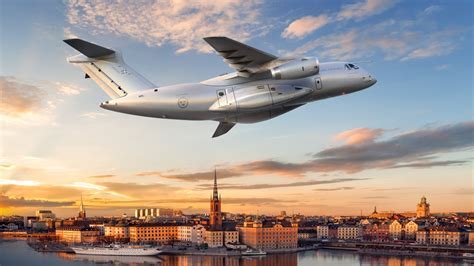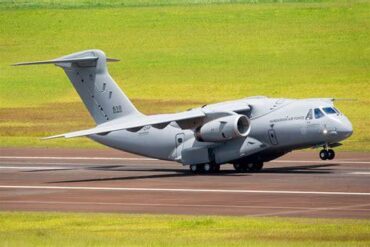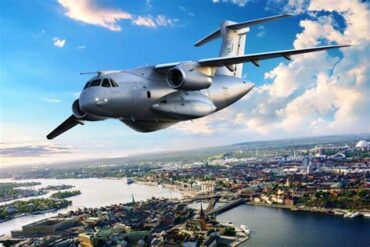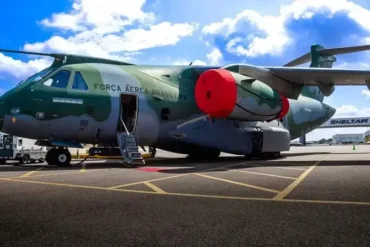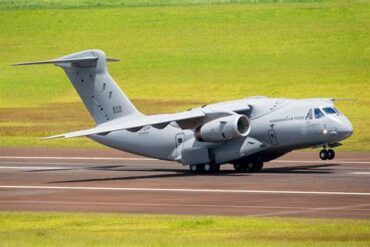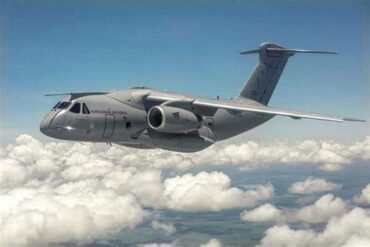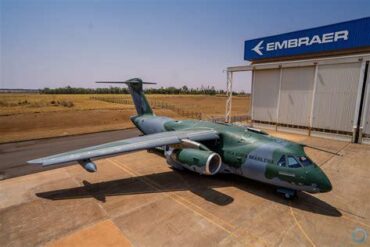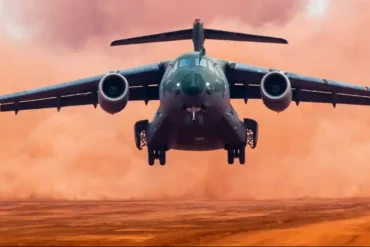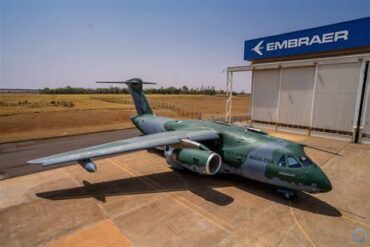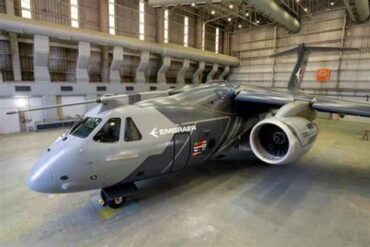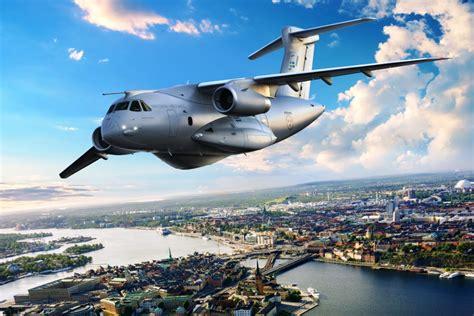
Sweden has taken a decisive step toward modernizing its military transport fleet by formalizing its acquisition of the Embraer C-390 Millennium, a next-generation military transport aircraft built by Brazil’s Embraer S.A. This strategic move reflects Sweden’s intensifying engagement with NATO operations following its formal entry into the alliance on March 7, 2024. The procurement will expand the Swedish Armed Forces’ capacity for rapid deployment, humanitarian response, and logistical coordination across European and global theatres.
The acquisition was confirmed through Sweden’s Defence Materiel Administration (FMV), which joined a trilateral memorandum of understanding alongside Austria and the Netherlands, both of whom are also transitioning from the long-serving Lockheed Martin C-130 Hercules to the modern capabilities of the C-390. By partnering in a joint procurement structure with the Netherlands acting as the lead nation, these countries are not only securing a more cost-effective solution, but also accelerating the delivery timelines—a pressing concern in an increasingly volatile geopolitical environment.
Sweden’s Strategic Pivot: Airlift Capability as a NATO Enabler
Sweden’s defense doctrine has undergone a significant transformation over the past decade. Long known for its neutrality, Sweden is now aligning its military posture with NATO standards. The decision to acquire the Embraer C-390 is emblematic of this pivot. Modern military alliances depend not only on combat aircraft and high-end weapon systems, but also on robust logistics and air mobility assets capable of sustaining operations across diverse terrains and mission sets.
The C-390 Millennium offers Sweden a substantial leap forward in operational flexibility, reliability, and multirole mission capability. As FMV officials stated, “By conducting the procurement together, the order will be less costly and the planes can be delivered faster.” This consortium model ensures interoperability, a crucial requirement for multinational exercises, joint responses to crises, and expeditionary missions far from home.
Why the Embraer C-390 Millennium?
The Embraer C-390 represents a modern, jet-powered alternative to legacy turboprop airlifters. Initially introduced into service by the Brazilian Air Force in 2019, the Millennium has rapidly garnered interest from countries seeking a high-performance tactical transport capable of supporting military and civilian operations alike.
The C-390’s design philosophy emphasizes modular adaptability, offering a single platform capable of performing troop transport, medical evacuation, airdrop missions, and cargo resupply under varying conditions. Sweden’s planned acquisition of four airframes will enable the Swedish Armed Forces to simultaneously fulfill peacetime and contingency operations within and beyond Europe’s borders.
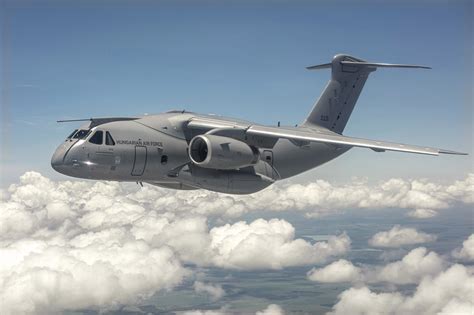
Technical Superiority and Versatility
The Embraer C-390 boasts a suite of advanced performance specifications that make it a compelling choice for air forces transitioning away from older transport models:
- Crew: Three (two pilots, one loadmaster)
- Payload Capacity: 26,000 kg (57,000 lbs)
- Passenger Capacity: 80 troops, 66 paratroopers, or 74 stretcher patients with attendants
- Pallet Configuration: 7 or 6 463L master pallets depending on mission profile
- Dimensions: 35.2 m length, 35.05 m wingspan, 11.84 m height
- Maximum Takeoff Weight: 86,999 kg
- Engines: Two IAE V2500-E5 turbofans producing 31,330 lbs of thrust each
- Top Cruise Speed: 470 knots (Mach 0.8)
- Range: Ferry range of 3,370 nautical miles; combat range at full payload is 1,080 nautical miles
- Service Ceiling: 36,000 feet
These specifications place the C-390 in a unique niche—bridging the gap between smaller tactical transports and larger strategic platforms like the Boeing C-17 Globemaster III, while maintaining superior performance to its turboprop contemporaries. Notably, the C-390’s jet propulsion system provides higher speed and reduced maintenance cycles, ideal for high-tempo NATO operations.
Regional Cooperation and European Defense Autonomy
Sweden’s partnership with Austria and the Netherlands highlights a growing trend of European defense integration, especially in areas of logistics and transport. The procurement is not only about acquiring aircraft; it is about building a standardized, interoperable fleet across partner nations. This lays the foundation for shared training, maintenance logistics, and operational doctrines.
Sweden’s integration into the C-390 user group underscores its desire to contribute meaningfully to NATO’s mobility and deterrence strategy. As the alliance contends with Russian posturing in the Arctic and Eastern Europe, having access to a fleet of jet-powered airlifters capable of moving troops, supplies, and equipment swiftly will significantly enhance Sweden’s credibility as a regional security actor.
From Lockheed to Embraer: The End of the Hercules Era
The Swedish Air Force, like its Austrian and Dutch counterparts, currently relies on the C-130H/K Hercules—a venerable aircraft with a distinguished legacy dating back to the 1950s. However, despite extensive upgrades, the Hercules is no longer aligned with modern airlift demands. Aging airframes, increasing maintenance costs, and slower speeds render the platform less competitive in today’s operational climate.
Transitioning to the C-390 signals Sweden’s intent to embrace 21st-century airlift technologies. Embraer’s aircraft offers glass cockpit systems, fly-by-wire controls, and a modular cargo bay, providing Swedish planners with a platform that is both digitally integrated and future-proof. This modernization is particularly important as Sweden continues to expand its contributions to NATO Rapid Deployable Corps and EU Battlegroup missions.
Global Adoption and Strategic Trust in Brazilian Aerospace
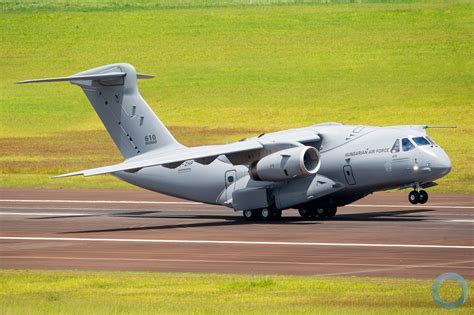
Embraer’s global reputation as a trusted aerospace manufacturer has grown steadily since the early 2000s, and the C-390 Millennium is the crown jewel of its military portfolio. As of 2023, thirteen C-390 airframes had been produced, and countries like Portugal, Hungary, and now Sweden, are placing trust in this capable system.
Portugal’s purchase reflected cultural and linguistic alignment, but Hungary and Sweden’s decisions point to a deeper trust in Brazilian defense industrial quality and Embraer’s logistical support ecosystem. Discussions are also ongoing with the South African Air Force, further solidifying the C-390’s international appeal.
Looking Ahead: Operational Readiness and Integration Timeline
While no official delivery schedule has been publicly confirmed, analysts expect the first Swedish C-390 airframes to enter operational service by late 2026 to early 2027, assuming no significant production delays. Early training and transition programs for Swedish crews are likely to begin well in advance, potentially through joint exercises with the Dutch Air Force, which already has established C-390 transition pathways.
The success of this trilateral acquisition will likely set a precedent for future European joint defense procurements, particularly in areas where shared needs—such as tactical airlift—outweigh nationalistic procurement strategies. Sweden’s participation demonstrates an evolving defense posture grounded in collaborative readiness, agility, and fiscal prudence.
Conclusion: Sweden’s Leap into Strategic Air Mobility
Sweden’s decision to invest in the Embraer C-390 Millennium represents a landmark modernization initiative and a clear signal of its intent to become a first-tier contributor to NATO’s collective security architecture. As threats become more multifaceted and the operational tempo of European defense rises, the C-390 offers a versatile, high-performance solution suited to the missions of today and the uncertainties of tomorrow.
With delivery timelines advancing, Sweden is poised to transition from a capable air transport force to one that is truly interoperable, modern, and strategically relevant. This move not only enhances Sweden’s own sovereignty but also strengthens NATO’s logistical backbone—the quiet engine behind every successful mission.