Sweden has taken a decisive step toward reshaping its military posture by approving a SEK 4 billion ($440 million) rapid procurement program focused on multi-domain unmanned systems for the Swedish Armed Forces. The decision reflects a clear departure from traditional, slow-moving modernization cycles and instead prioritizes immediate battlefield relevance, accelerated delivery, and operational adaptability in an increasingly volatile European security environment.
Announced by the Government Offices of Sweden in mid-January 2026, the initiative is designed to deliver a comprehensive family of unmanned combat and support platforms between 2026 and 2028. The package spans air, land, and maritime domains, covering loitering munitions, reconnaissance drones, unmanned airborne electronic warfare assets, and autonomous surface and underwater vehicles. Together, these systems are intended to strengthen Sweden’s deterrence posture while enhancing its ability to operate seamlessly with NATO allies.
At its core, the program acknowledges that unmanned systems are no longer niche enablers but central instruments of modern warfare. Swedish policymakers have explicitly linked the investment to battlefield lessons from Ukraine, where drones have proven decisive in surveillance, precision strike, electronic warfare, and force protection. For Stockholm, the conclusion is clear: speed, persistence, and distributed capability now matter as much as traditional platforms.
Accelerated Procurement Signals a Strategic Shift
The most striking element of the decision is not only its scale but its urgency. The Swedish government has confirmed that several capabilities within the package are being advanced by five to six years compared to previous defense plans. This acceleration underscores a political recognition that long-term procurement timelines are increasingly incompatible with today’s security realities, particularly in the Baltic region.
Defence Minister Pål Jonson has framed the investment as a direct response to a changing character of war, emphasizing that unmanned systems and space-enabled surveillance are now essential for force resilience, rapid decision-making, and allied interoperability. Within NATO, Sweden’s move positions it as a contributor of modern, flexible capabilities rather than a consumer of collective security alone.
The funding mechanism itself reinforces this shift. By using opportunity-based procurement, Stockholm is prioritizing systems that are mature, deployable, and adaptable, rather than waiting for bespoke solutions that risk obsolescence before fielding. This approach reflects a broader trend among European militaries seeking to close capability gaps quickly without sacrificing effectiveness.
Loitering Munitions Move to the Forefront of Land Warfare
Among all elements of the package, loitering munitions stand out as the most urgent and transformative capability. Often described as a fusion of drone and missile, these systems allow operators to search, track, and strike targets with exceptional precision while remaining airborne for extended periods.
For Swedish ground forces, the value of loitering munitions lies in their ability to compress the sensor-to-shooter chain. Units equipped with organic reconnaissance drones can rapidly cue loitering munitions against time-sensitive targets such as artillery, command posts, air defense assets, or electronic emitters. This capability reduces reliance on higher-echelon fires and shortens engagement timelines in fast-moving combat.
Equally important is the psychological and operational pressure these systems impose. Persistent overhead presence forces adversaries to limit movement, restrict emissions, and accept constant risk, shaping the battlespace even before a strike occurs. In the wooded, urbanized, and coastal terrain typical of Northern Europe, such effects are particularly potent.
Reconnaissance Drones Expand Situational Awareness at Every Level
Reconnaissance drones form the enabling backbone of Sweden’s unmanned strategy. The Swedish Armed Forces already operate a layered fleet designed to support commanders from tactical to operational levels, and the new investment is set to expand this structure in both scale and sophistication.
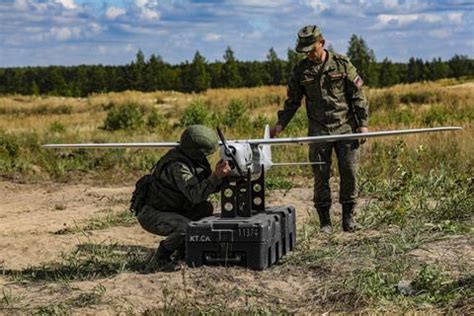
The UAV 03 Örnen provides wide-area surveillance and imagery to support maneuver planning, while smaller systems such as Svalan and Korpen have long been embedded at unit level. More recently, the UAV 06 Skatan family, including variants fielded by the Home Guard, has pushed unmanned surveillance deeper into everyday training and territorial defense tasks.
These platforms, equipped with optical and infrared sensors, are designed to make real-time aerial awareness routine rather than exceptional. The current procurement emphasizes systems capable of operating under electronic attack and degraded navigation, ensuring relevance against technologically advanced opponents who actively contest the electromagnetic spectrum.
Unmanned Electronic Warfare Strengthens Survivability
One of the most strategically significant components of the package is unmanned airborne electronic warfare. Although public details remain limited, the government describes these assets as remotely controlled sensor platforms capable of detecting and characterizing threats from both land and sea-based launch points.
In operational terms, such drones can map hostile radar and communication networks, identify electronic emitters, and support both electronic protection and targeting. By offloading these missions to unmanned platforms, Sweden reduces risk to crewed aircraft while gaining persistent insight into the electromagnetic environment.
In the Baltic theater, where dense radar coverage and electronic attack are expected features of any high-intensity conflict, unmanned electronic warfare assets provide a critical advantage. They enhance situational awareness, protect friendly forces, and enable coordinated effects across air and land domains.
Maritime Drones Secure the Baltic’s Critical Undersea Domain
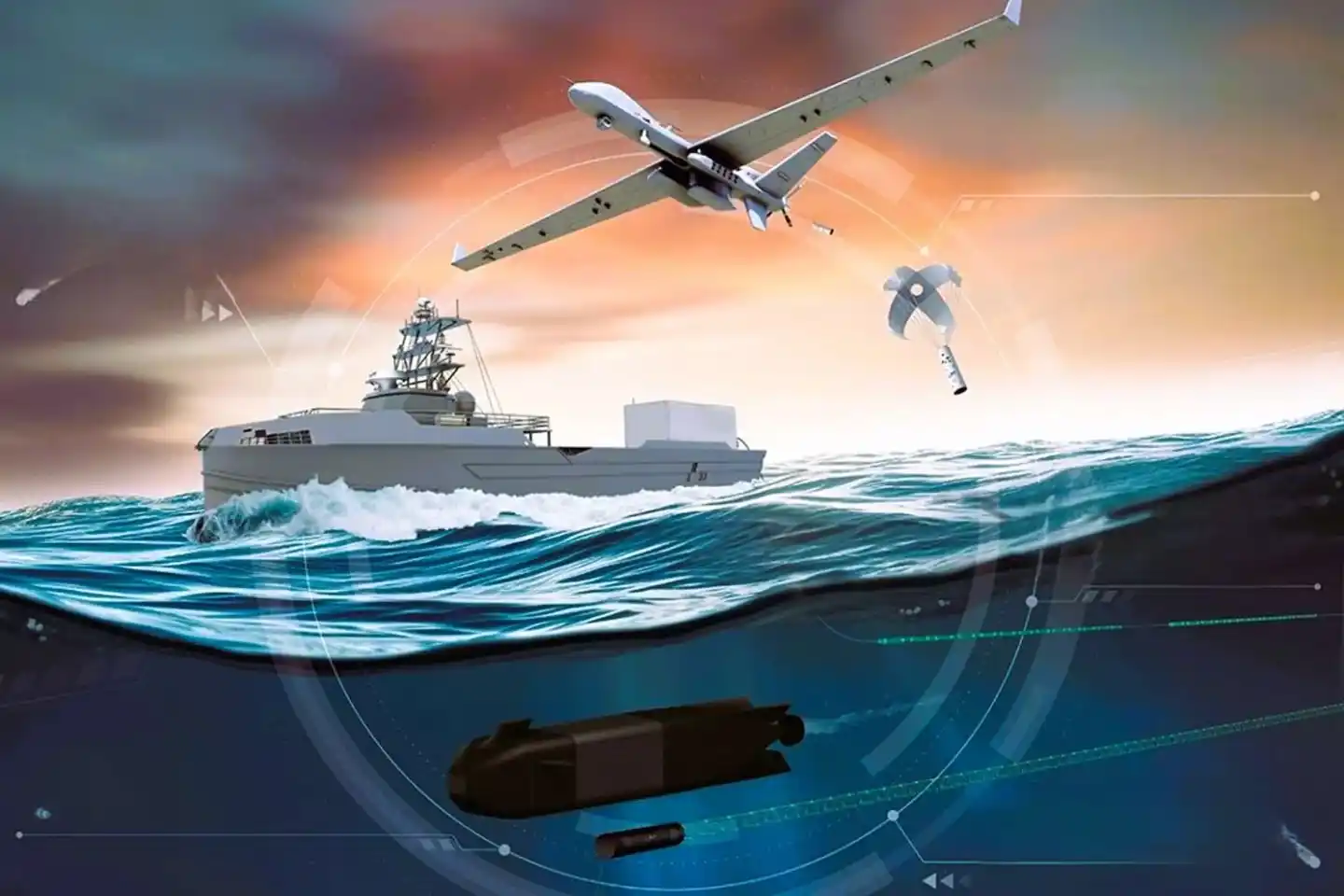
The maritime dimension of the investment reflects Sweden’s unique strategic geography. The Baltic Sea is a confined, infrastructure-rich environment where mines, seabed interference, and hybrid threats pose persistent challenges. Unmanned surface and underwater vehicles offer an effective solution to these risks.
The government has highlighted autonomous underwater systems for mine detection and seabed surveillance, alongside unmanned surface vessels for wide-area maritime monitoring. These platforms enable persistent observation of sea lanes, ports, and critical undersea infrastructure such as cables and pipelines, all while minimizing exposure of crews.
Beyond wartime utility, maritime drones support peacetime security missions, from environmental monitoring to protection of national economic interests. Their integration into naval operations enhances Sweden’s ability to maintain situational awareness across its maritime approaches at sustainable cost.
Building a Cohesive Multi-Domain Unmanned Ecosystem
While specific suppliers have not been announced, the structure of the program suggests a deliberate focus on interoperability and rapid integration. Rather than a single flagship system, Sweden is assembling a family of unmanned capabilities designed to operate as a cohesive ecosystem.
By the end of the decade, reconnaissance drones will feed targeting data to loitering munitions, unmanned electronic warfare assets will shape the electromagnetic battlespace, and maritime drones will secure sea lines and undersea infrastructure. The result is not simply a collection of platforms but a networked force multiplier that enhances speed, resilience, and deterrence.
Strategically, Sweden’s $440 million investment signals more than modernization. It represents a commitment to denying adversaries surprise, maintaining credible deterrence in the Baltic region, and contributing advanced capabilities to NATO’s collective defense at a moment when adaptability defines military relevance.