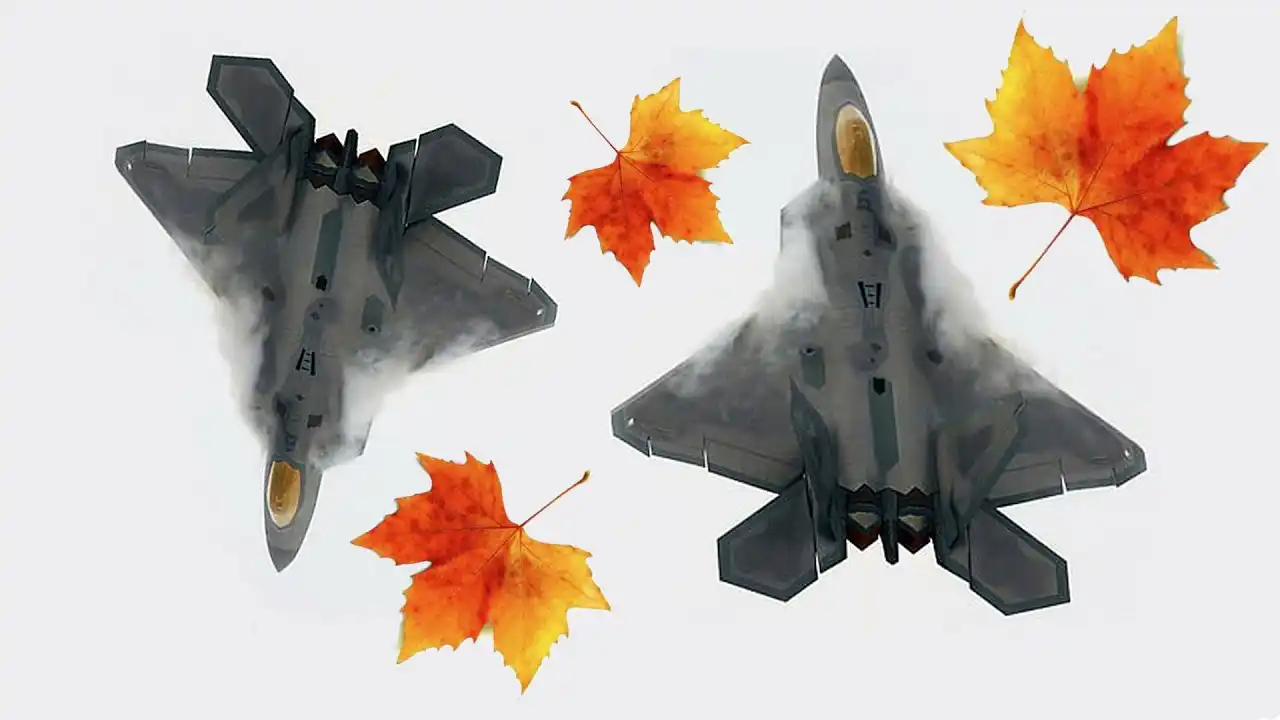
The Lockheed Martin F-22 Raptor is one of the most advanced fifth-generation fighter jets in the world, known for its stealth, agility, and supermaneuverability. This cutting-edge fighter jet is capable of executing extreme aerial maneuvers that are beyond the capabilities of most aircraft, including the Falling Leaf and Cobra Maneuver. These advanced maneuvers demonstrate the Raptor’s ability to dominate air combat by showcasing its unmatched control, thrust vectoring, and aerodynamic superiority.
Understanding the F-22 Raptor’s Supermaneuverability
The F-22 Raptor is equipped with thrust-vectoring nozzles that enable it to manipulate its pitch, yaw, and roll independently of its flight path. This capability allows the jet to perform advanced post-stall maneuvers, which are critical in dogfights where agility and rapid repositioning can determine the outcome of an engagement.
Thrust Vectoring: The Key to Advanced Maneuvers
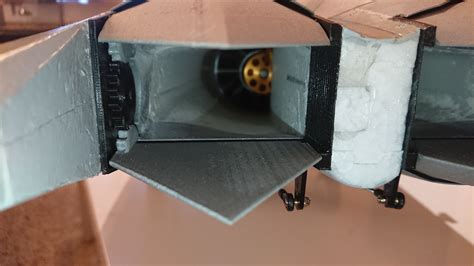
Unlike conventional fighter jets, the F-22 Raptor features two-dimensional thrust-vectoring nozzles that can move up to 20 degrees in either direction. This system allows the aircraft to perform sudden high-angle-of-attack (AoA) maneuvers, such as the Pugachev’s Cobra and the Falling Leaf maneuver, which are typically seen only in airshow demonstrations by specialized aircraft like the Sukhoi Su-35 and the MiG-29.
Falling Leaf Maneuver: Defying Conventional Flight
The Falling Leaf Maneuver is a post-stall maneuver where the aircraft oscillates from side to side while maintaining a near-zero forward velocity. This maneuver demonstrates the pilot’s ability to retain control even when the aircraft is in a deep stall, a condition that would cause most fighter jets to enter an uncontrollable spin.
How the Falling Leaf Works
- The pilot intentionally enters a high-angle-of-attack stall, where the nose of the aircraft is pitched upward beyond the normal aerodynamic limits.
- Using the thrust-vectoring system and flight control surfaces, the aircraft remains in a controlled descent while rocking side to side, resembling a leaf drifting towards the ground.
- The pilot maintains control through precise rudder and aileron inputs, allowing the aircraft to recover at will and transition back into normal flight.
Tactical Applications of the Falling Leaf
While it may appear as a mere airshow stunt, the Falling Leaf maneuver has real-world combat applications. In a dogfight scenario, this technique can cause an enemy aircraft to overshoot, forcing the adversary into a vulnerable position where the Raptor can counter-attack with a missile lock-on or gunfire.
Pugachev’s Cobra Maneuver: The Ultimate Show of Power
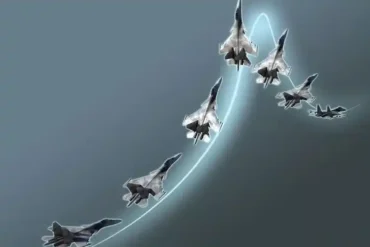
The Cobra maneuver, named after Soviet test pilot Viktor Pugachev, is a dramatic high-angle-of-attack maneuver where the aircraft suddenly pitches its nose up to a nearly vertical position before rapidly returning to level flight. The F-22 is one of the few Western aircraft capable of performing this maneuver with ease.
How the Cobra Maneuver Works
- The pilot pulls the nose of the aircraft up to an extreme 120-degree angle of attack, momentarily suspending the forward motion.
- With the aid of thrust-vectoring, the aircraft maintains stability while its velocity dramatically decreases.
- The pilot then pitches the nose down to regain speed and re-enter normal flight, all while maintaining full control over the aircraft.
Combat Benefits of the Cobra Maneuver
In air combat, executing a Cobra maneuver can allow the F-22 to force an adversary to overshoot, effectively reversing roles in a dogfight. This tactic gives the Raptor an opportunity to gain an advantageous position behind the enemy aircraft, making it easier to engage with air-to-air missiles.
Why the F-22 Excels in High-Angle-of-Attack Maneuvers
Unlike fourth-generation fighters that rely primarily on aerodynamic control surfaces, the F-22’s combination of advanced fly-by-wire controls, thrust vectoring, and high thrust-to-weight ratio makes it uniquely suited for extreme maneuverability.
Key Features That Enable Supermaneuverability
- Thrust-to-Weight Ratio: The F-22’s engines produce more thrust than the aircraft’s total weight, allowing for rapid acceleration and maneuverability.
- Aerodynamic Design: Its blended wing-body design enhances lift and reduces drag, making high-G turns more efficient.
- Fly-by-Wire Control System: The onboard computer assists the pilot in maintaining control during extreme maneuvers, reducing pilot workload.
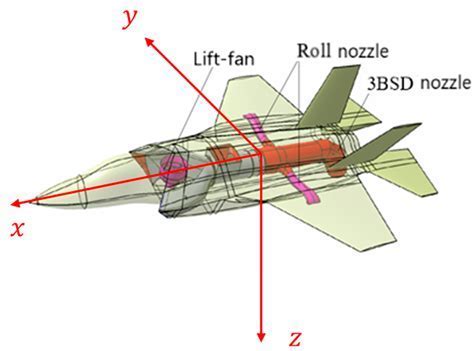
The Future of Aerial Combat and Supermaneuverability
As air combat evolves, high-angle-of-attack capabilities will continue to play a significant role in aerial engagements. The F-22 Raptor remains a key player in modern air dominance, setting the standard for sixth-generation fighter aircraft development.
F-22 vs. Other Advanced Fighters
- Sukhoi Su-57: Russia’s stealth fighter also features thrust-vectoring capabilities but lacks the stealth effectiveness of the F-22.
- Chengdu J-20: China’s fifth-generation fighter focuses more on stealth and beyond-visual-range (BVR) combat rather than extreme maneuverability.
- F-35 Lightning II: While highly advanced, the F-35 lacks the thrust-vectoring agility of the F-22.
FAQ Section
1. Why are the Falling Leaf and Cobra maneuvers important for air combat?
These maneuvers allow the F-22 to execute rapid deceleration and directional changes, making it harder for enemy aircraft to maintain a targeting solution. In dogfights, they provide an advantage by forcing adversaries into vulnerable positions.
2. Can any fighter jet perform the Falling Leaf and Cobra maneuvers?
No, only aircraft with thrust-vectoring capabilities and advanced flight control systems can perform these extreme post-stall maneuvers. The F-22, Su-35, and Su-57 are among the few aircraft capable of executing them effectively.
3. How does the F-22 compare to newer fighter jets in maneuverability?
The F-22 remains the most agile and supermaneuverable stealth fighter due to its unique combination of thrust-vectoring, aerodynamic efficiency, and high thrust-to-weight ratio. Even newer designs, such as the Su-57 and J-20, struggle to match its dogfighting capabilities.
The F-22 Raptor continues to showcase its dominance in the sky, proving that supermaneuverability remains a critical factor in modern aerial combat.