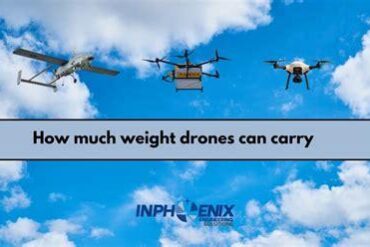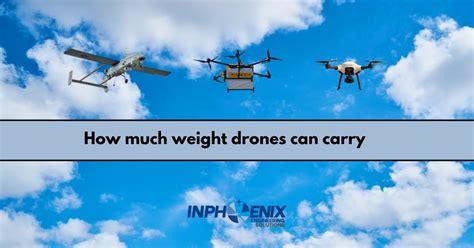
Drones have revolutionized industries, from aerial photography to logistics and emergency response. At the core of their utility lies a fundamental question: how much weight can a drone carry? Understanding drone payload capacity isn’t just technical curiosity—it directly influences the scope of tasks a drone can perform. Whether you’re a hobbyist mounting a GoPro or a logistics firm exploring drone delivery, knowing the capabilities and limits of drone lift capacity is critical.
Payload capacity—the maximum weight a drone can carry in addition to its own body—varies drastically across drone classes. Factors such as motor strength, battery life, aerodynamic efficiency, and propeller configuration determine the limits. In this article, we break down these elements, classify drones by size, use case, and brand, and explain the scientific principles behind lifting mechanics.
Drone Payload Capacity by Size Classification
Drone size is the most straightforward indicator of payload capability. Here’s a breakdown:
Mini Drones (≤100 g)
These ultra-light aircraft are designed purely for recreational use or entry-level training. Payload capability is almost negligible, often limited to sensors under 10 g. Their small frames and low thrust motors make them unsuitable for carrying external loads.
Small Drones (100 g–1 kg)
This category includes popular consumer drones like the DJI Mini series. They can support light cameras for basic aerial photography, environmental monitoring, or short-range surveying. The payload range usually caps at 200–300 grams, depending on battery condition and wind resistance.
Medium Drones (1 kg–5 kg)
Medium-sized drones are the backbone of professional drone photography, surveying, and agriculture. Drones like the Autel Robotics EVO II Pro carry heavy cameras, multispectral sensors, or even light spraying equipment. Their payload capacity spans from 0.5 to 2 kg, with some pushing the boundary to 3 kg under optimal conditions.
Large Drones (5 kg–30 kg+)
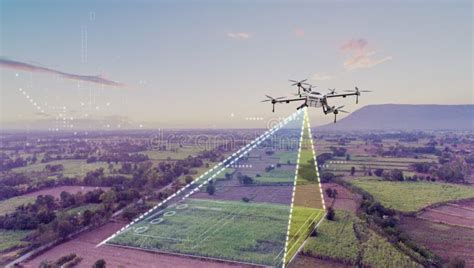
Large drones dominate industrial applications, including infrastructure inspection, cargo delivery, and film production. For example:
- T-DRONES MX860: Carries up to 9 kg.
- DJI FlyCart 30: Built for transport tasks, handles 30 kg payloads.
These drones use high-powered motors, carbon-fiber frames, and advanced stability controls to remain airworthy under load.
Heavy-Lift Drones (30 kg–220 kg+)
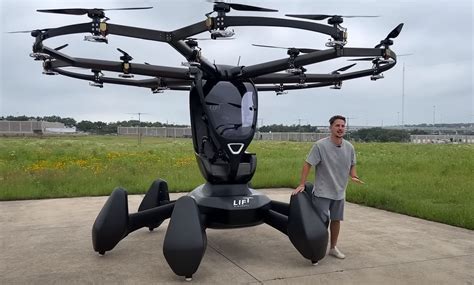
The frontier of UAV technology, heavy-lift drones are purpose-built for construction, agricultural logistics, and emergency medical drops. The GRIFF Aviation 300 is a standout model, capable of lifting 227 kg. These machines resemble helicopters in capability but operate autonomously or via remote control, often using hybrid propulsion.
Payload Capacity by Use Case
Consumer Use (≤5 kg)
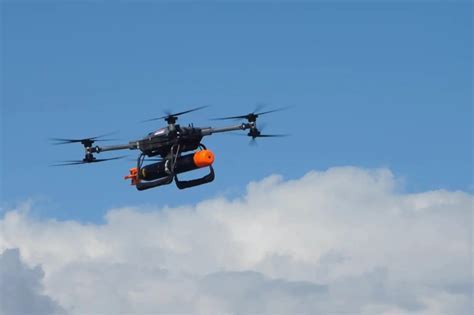
For hobbyists and semi-pro content creators, payloads rarely exceed 2 kg. These drones can handle DSLR cameras, gimbals, or lightweight sensors. They strike a balance between maneuverability and utility.
Commercial Applications (3 kg–10 kg)
Used by real estate agents, surveyors, and construction teams, these drones typically carry LiDAR, mapping sensors, or multiple cameras. Payloads in this range are sufficient for multi-purpose aerial documentation.
Agricultural Use (2 kg–30 kg)
Agricultural drones such as the DJI Agras series excel at spraying pesticides, seeding, and soil analysis. These units must balance heavy liquid payloads with large area coverage, requiring strong motors and extensive battery reserves.
Delivery Drones (5 kg–50 kg)
Used by logistics firms and e-commerce giants, delivery drones such as FlyCart 30 are designed to handle bulky parcels, often flying in harsh weather and over long distances. Optimized payload distribution and aerodynamic shaping are essential.
Filmmaking (1 kg–10 kg)
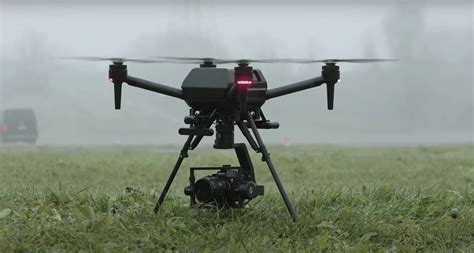
Drone cinematography depends on payload balance. Cameras like RED Komodo or Arri Alexa Mini require vibration-isolated gimbals and precise movement. Even minor deviations in payload distribution can ruin cinematic shots.
Brand-Based Payload Comparisons
Different drone manufacturers target specific markets, which reflects in their payload capabilities.
DJI (1 kg–30 kg)
The industry leader offers everything from lightweight consumer drones like the Mavic Mini to commercial haulers like the FlyCart 30. DJI strikes a fine balance between accessibility and power.
Parrot (0.5 kg–0.7 kg)
Known for the Anafi series, Parrot focuses on lightweight, portable drones with integrated 4K cameras. Their payloads are minimal, around 100–200 grams, making them unsuitable for serious lifting tasks.
Autel Robotics (1 kg–5 kg)
Autel’s EVO line emphasizes advanced imaging and longer range. They handle modest payloads (0.5–2 kg) and are increasingly favored by professionals.
T-DRONES (1 kg–15 kg)
An emerging name in industrial UAVs, T-DRONES manufactures the M1200 and MX860, specifically built for heavy lifting. Their thrust systems and modular frames are engineered for performance and endurance.
Ehang (100 kg–220 kg)
A pioneer in autonomous aerial vehicles (AAVs), Ehang blurs the line between drone and aircraft. Their models like the Ehang 216 can carry passengers or cargo, reshaping the idea of drone capacity.
How to Calculate Payload Capacity
Payload calculations are rooted in physics and engineering constraints. The most relevant formula is:
Thrust = (Mass × 9.81 m/s²) × Safety Factor
A typical safety factor is 2. For example, a drone with a 5 kg frame and 3 kg intended payload requires total thrust of:
(8 kg × 9.81) × 2 = 156.96 N of thrust.
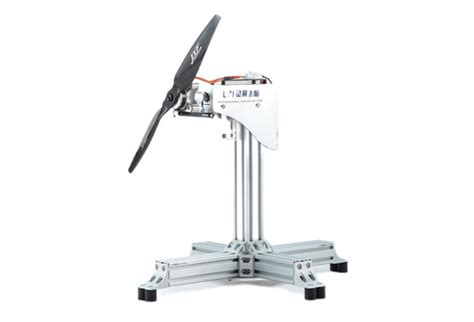
Testing payload involves thrust-stand measurement or manufacturer benchmarks. Battery performance calculators simulate how additional mass affects flight time, informing trade-offs between power and endurance.
Key Factors Influencing Drone Lift Capacity
Several interconnected elements govern how much a drone can lift:
- Drone Frame Weight: Heavier frames require more lift to get off the ground.
- Battery Capacity vs. Weight: Bigger batteries store more energy but add mass.
- Propeller Size and Count: Larger or more propellers increase lift and stability.
- Motor Output: Higher RPM and torque translate to better thrust generation.
- Aerodynamics and Center of Gravity: Poor airflow or misaligned weight distribution reduces lift efficiency.
- Environmental Conditions: Hot air reduces lift; strong winds destabilize flight; high humidity affects propeller friction.
Can Payload Capacity Be Increased?
Yes, with strategic engineering upgrades:
- Optimized Propulsion Systems: High-efficiency motors and matched ESCs improve thrust without overheating.
- Power Density Improvements: Use Li-Po or Li-Ion batteries with higher watt-hour per kilogram ratings.
- Aerodynamic Design: Streamlined shells, retractable landing gear, and balanced CG all improve lift.
- Intelligent Controls: Advanced AI flight controllers help balance heavy payloads in real-time.
- Hybrid Propulsion: Gas-electric hybrids are emerging for extended missions requiring serious load capacity.
What Happens When a Drone Is Overloaded?
Exceeding payload limits isn’t just inefficient—it’s dangerous:
- Takeoff Failures: The drone may not lift off at all.
- Flight Instability: Mid-air wobbling or erratic controls occur.
- Motor Overload: Leads to overheating or complete failure mid-flight.
- Battery Drain: Flight time plummets, risking a crash or emergency landing.
- Regulatory Violation: Overweight drones may breach legal restrictions.
Regulatory Constraints on Drone Weight
Agencies like the FAA enforce strict rules on drone operations:
- Maximum Takeoff Weight Without Waiver: 55 lb (25 kg).
- Sub-250 g Drones: Enjoy relaxed registration and airspace compliance.
- Above 55 lb: Require waivers, certified pilots, and robust safety documentation.
Commercial drone operators must track gross takeoff weight, which includes frame, battery, and payload. Staying compliant ensures operational legality and insurance validity.
Conclusion
How much weight a drone can carry is not a single answer but a spectrum defined by design, purpose, and technology. From 100 grams in mini drones to over 200 kilograms in industrial giants, payload capacity directly shapes use cases across industries. Knowing the weight your drone can lift—and the science behind it—empowers better decisions, safer operations, and more ambitious missions. Whether you’re a weekend flyer or part of an aerospace team, payload knowledge is the lift beneath your wings.