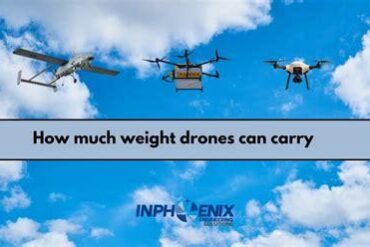
In the rapidly evolving world of aerial technology, drones, or Unmanned Aerial Vehicles (UAVs), have emerged as versatile tools across industries like agriculture, surveillance, and logistics. As UAVs continue to redefine how tasks are performed in environments too dangerous or impractical for humans, understanding their payload capacity is crucial. This article delves into the essentials of drone payload, how it works, and its impact on drone performance.
What is a Drone Payload?
At its core, a drone payload refers to the weight of the equipment a drone can carry in addition to its own structure. This might include cameras, sensors, or even packages for delivery. The payload is a crucial determinant of a drone’s operational effectiveness, influencing not only its flight time but also its stability and range.
The Maximum Takeoff Weight (MTOW) is an important figure in this context. It defines the total weight a drone can safely lift, which includes both its own weight and its payload. For example, if a drone has a MTOW of 10 kg and weighs 4 kg, its payload capacity is 6 kg. This distinction is vital for optimizing flight performance and ensuring that drones do not exceed their limits.
Key Factors Affecting Payload Capacity
Several factors affect a drone’s payload capacity, including its design, motor power, battery efficiency, and environmental conditions. Understanding these factors helps users make informed decisions when selecting a drone for specific tasks.
- Drone Design and Structure: The materials used in constructing a drone play a major role in determining its payload capacity. Lightweight, yet strong materials like carbon fiber enable drones to lift heavier payloads without compromising their structural integrity.
- Motor Power and Efficiency: The motors’ power and efficiency directly influence how much weight a drone can carry. More powerful motors provide the necessary thrust for lifting heavier loads, but they may also require more power from the battery.
- Battery Capacity: A drone’s battery affects both its payload capacity and flight time. Heavier batteries may reduce the weight available for additional payload, but high-energy density batteries ensure optimal performance without significantly adding weight.
- Flight Control Systems: Advanced flight control systems help manage the payload by optimizing flight stability and control. These systems enable drones to carry heavier payloads safely by adjusting to different flight conditions.
- Environmental Conditions: Weather conditions, such as wind, temperature, and altitude, can impact the drone’s ability to lift its payload. Drones flying at high altitudes or in windy conditions may need to reduce their payload to maintain stable flight.
Types of Payloads Carried by Drones
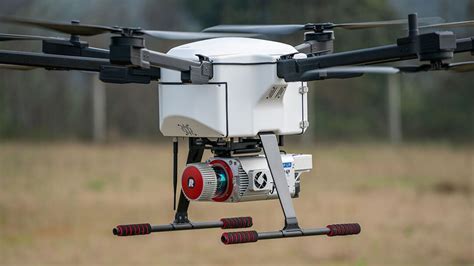
Drones are equipped with various types of payloads, depending on the specific application they serve. These include:
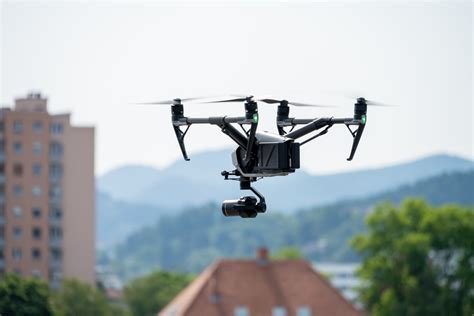
- Cameras: Used for tasks ranging from aerial photography to surveillance. Cameras can vary in type, such as standard cameras for general use, high-resolution cameras for professional-grade imagery, and 360-degree cameras for panoramic views.
- Sensors: Thermal, LiDAR, and multispectral sensors are essential for specialized tasks like agricultural monitoring, environmental analysis, and surveying. Thermal sensors are particularly useful for search and rescue missions, while LiDAR and multispectral sensors are integral for mapping and crop analysis.
- Delivery Packages: Drones equipped for logistics often carry cargo compartments to transport packages, ranging from medical supplies to e-commerce goods. These payloads are designed to maximize the drone’s capacity for safe and efficient delivery.
- Scientific Instruments: For research applications, drones may carry scientific instruments designed to measure atmospheric conditions or gather geological data.
Drone Types Based on Payload Capacity
Drones are generally categorized based on their payload capacity and intended application. These categories help users choose the right drone for specific tasks.
- Consumer Drones: Designed for recreational use, these drones typically carry payloads of less than 5 kg. They are most often used for photography or basic surveying tasks.
- Commercial Drones: Medium-sized drones that can carry payloads between 5 and 25 kg, suitable for more intensive applications such as agriculture, inspection, and surveying.
- Heavy Lift Drones: These drones are designed for demanding tasks, capable of carrying payloads of 25 kg and above. They are used in industries like construction, delivery, and industrial inspections.
- Toy Drones: Light and small, these drones are intended for hobbyists, with payload capacities usually less than 0.5 kg.
How Much Weight Can a Drone Carry?
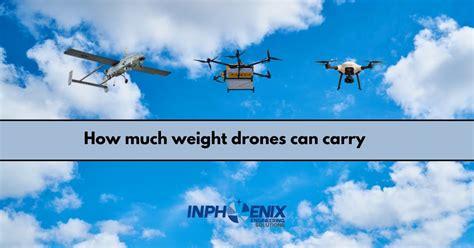
The amount of weight a drone can carry is determined by its design and intended purpose. For instance, consumer drones typically carry payloads from 0.5 to 5 kg, whereas commercial drones can handle between 5 and 25 kg. On the other hand, heavy-lift drones can transport 25 kg or more.
This variation in payload capacity is crucial when selecting a drone for specialized tasks like delivery, inspections, or cinematography. It’s important to consider not only the payload capacity but also how it will affect the drone’s battery life and flight stability.
The Role of Heavy Lift Drones
Heavy lift drones are purpose-built to carry substantial payloads, often exceeding 25 kg. These drones are essential in industries where heavy loads need to be transported over short or long distances. They are commonly used in:
- Construction: Carrying construction materials to hard-to-reach areas or delivering heavy tools and equipment.
- Agriculture: Distributing fertilizers, pesticides, and other agricultural products across large areas.
- Film and Photography: Carrying high-end cameras and equipment for cinematic shots.
- Logistics and Delivery: Facilitating the delivery of heavy packages, such as medical supplies, for quick dispatch.
Conclusion
Understanding a drone’s payload capacity is fundamental for choosing the right UAV for any mission. Whether you are using a consumer drone for casual photography or deploying a heavy-lift drone for industrial purposes, the payload capacity directly impacts the drone’s efficiency, flight time, and stability. By considering factors such as drone design, motor power, battery capacity, and the payload types required, users can ensure they are optimizing their drone’s performance for each specific task.
With advancements in drone technology and battery systems, manufacturers like Grepow continue to innovate to meet the growing demands of various industries, offering specialized batteries tailored to ensure optimal drone performance, regardless of the payload carried.