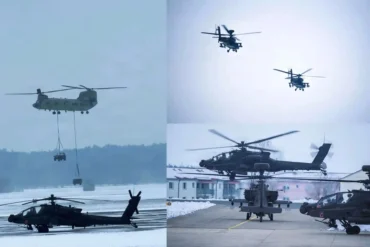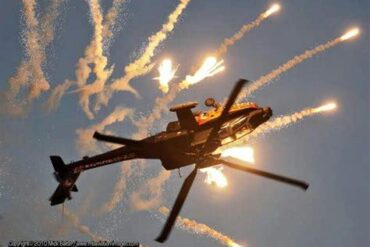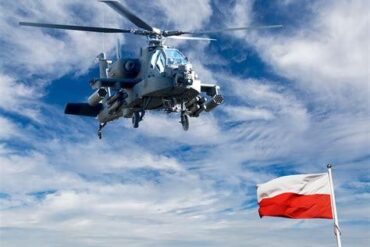
The AH-64 Apache helicopter is a symbol of aerial dominance, engineered not only for agility and lethality in combat but also for remarkable payload capacity in a variety of mission scenarios. While it is not designed as a heavy-lift utility aircraft, the Apache’s ability to carry significant external and internal loads plays a critical role in its multi-mission versatility.
Origins of the Apache: The Weight of Legacy
The concept of helicopters lifting weapons, soldiers, and critical equipment began with the work of aviation pioneer Igor Sikorsky in the 1940s. The U.S. Army’s early requirement for a rotorcraft culminated in the XR-4 (VS-316), which eventually led to the R-4 — the first mass-produced military helicopter in the world.
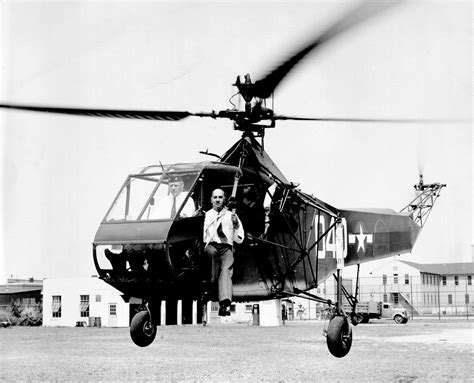
From these beginnings, the U.S. military recognized the tactical advantage of vertical lift aircraft. The AH-64 Apache, developed from the YAH-64 prototype by Hughes Helicopters in the 1970s, was designed specifically to support ground operations by carrying advanced armament and sensor systems into battle zones.
Apache Helicopter Dimensions and Specifications
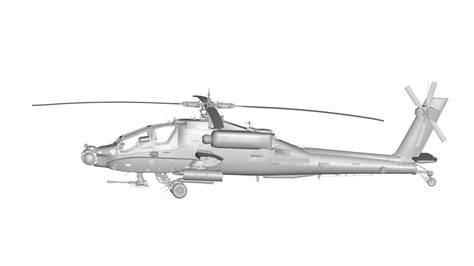
Understanding the Apache’s lift capability starts with appreciating its physical structure and propulsion system:
| Specification | Value |
|---|---|
| Length | 58.17 ft (17.73 m) |
| Height | 16.40 ft (5.0 m) |
| Rotor Diameter | 47.9 ft (14.63 m) |
| Max Takeoff Weight | 23,000 lbs (10,433 kg) |
| Empty Weight | 11,387 lbs (5,165 kg) |
| Payload Capacity (external) | Up to 4,400 lbs (1,995 kg) |
| Engines | 2 × GE T700-701D |
| Engine Power | 2,000 shp each (4,000 total) |
| Top Speed | 182 mph (293 km/h) |
Maximum Payload Capacity of the Apache
The Apache’s maximum lift capacity depends on mission profile, altitude, weather, and load configuration. Under optimal combat conditions, the AH-64 Apache can lift up to 4,400 lbs of external payload — this includes armaments, external fuel tanks, or equipment pods mounted on wing pylons.
This figure does not include the internal payload carried within the helicopter — such as the crew, ammunition, countermeasure systems, and fuel — which also contribute significantly to the total mission weight.
Armament Weight Breakdown
The Apache’s combat capabilities are intricately tied to its lift limits:
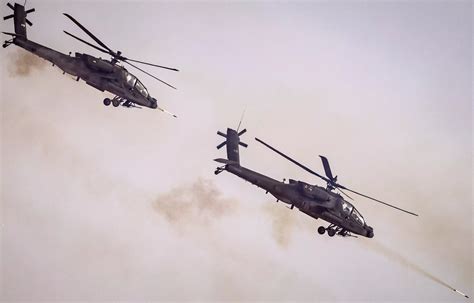
- 30 mm M230 Chain Gun: ~260 lbs (dry weight), plus up to 1,200 rounds of ammunition (~300 lbs)
- AGM-114 Hellfire Missiles (16 max): ~100 lbs each = ~1,600 lbs
- Hydra 70 Rockets (up to 76): ~20 lbs each = ~1,520 lbs
When fully armed, the Apache is operating close to its combat gross weight, which can exceed 18,000 lbs depending on mission configuration. This ensures maximum firepower without exceeding performance thresholds.
Lift vs. Combat Utility: Not a Cargo Chopper
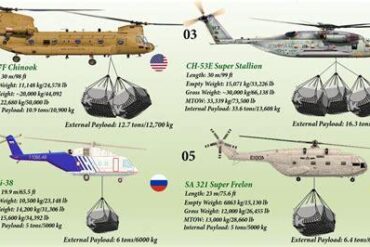
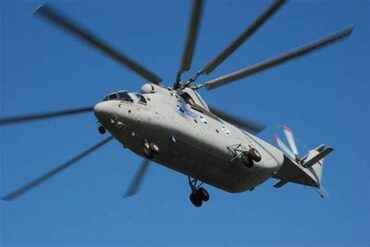
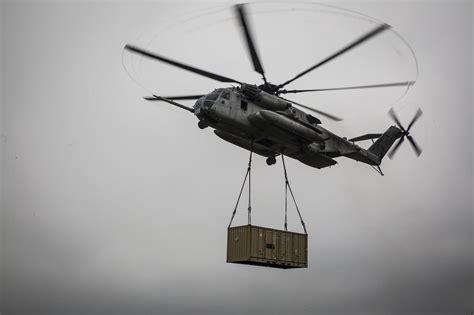
While the Apache can carry significant weight, it is important to differentiate between attack helicopters like the AH-64 and transport helicopters such as the CH-47 Chinook or Mil Mi-26. The Chinook, for example, can lift over 24,000 lbs — more than five times the Apache’s payload capacity. The Mil Mi-26, built by Russia, holds the title of the world’s heaviest-lifting helicopter with a payload capacity exceeding 44,000 lbs.
However, these aircraft serve vastly different missions. The Apache’s lift capacity is dedicated to combat gear — not troop or cargo transport — enabling its agile and deadly role in active combat environments.
Apache’s Powertrain: The Source of Lift
The heart of the Apache’s lift capability lies in its twin General Electric T700-701D turboshaft engines, which together deliver a combined 4,000 shaft horsepower. This power enables the Apache to:
- Take off vertically at full combat load.
- Hover in high/hot environments (high altitude and temperature).
- Perform nap-of-the-earth flight for evasion and terrain masking.
- Maintain stability while firing missiles, rockets, and cannons simultaneously.
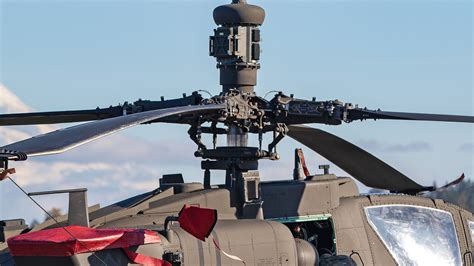
The AH-64E Guardian, the latest Apache variant, features enhanced engine performance, allowing for better lift in extreme operational environments such as Afghanistan, where elevation and air density challenge traditional rotorcraft.
Global Operators and Mission Deployment
Over 2,700 AH-64 Apache helicopters have been built, with deployment across more than 14 countries, including:
- United States
- United Kingdom
- Israel
- India
- Morocco
- Egypt
- Saudi Arabia
- Netherlands
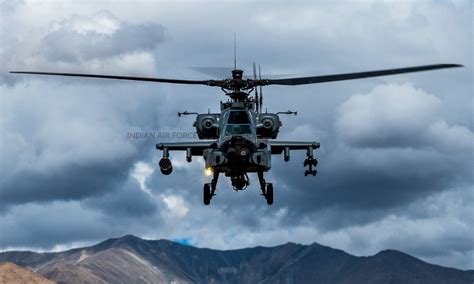
Each country configures the Apache based on its mission requirements. For instance, India’s Apaches have been modified with air-to-ground capabilities optimized for high-altitude operations along the Himalayan borders.
Combat Efficiency and Tactical Lift Balance
During the 1991 Gulf War, the Apache proved its value not by hauling troops or equipment, but by delivering destruction. With over 278 enemy tanks destroyed and 500+ targets neutralized, it remains one of the most lethal helicopters in modern warfare.
Its lift capacity plays a direct role in this combat effectiveness. Every pound of weaponry carried increases its ability to engage enemies. Its radar systems — such as the AN/APG-78 Longbow radar — and the IHADSS helmet display allow pilots to leverage this weight efficiently.
Pilots can aim and fire simply by moving their head, transferring the mechanical weight into combat precision. This system also allows for real-time switching between air-to-ground and air-to-air targeting.
The Future of Apache Payload Capabilities
The Apache is projected to remain in service through 2040. With ongoing upgrades including:
- Enhanced transmission systems
- Improved composite rotor blades
- Integration with UAVs for sensor extension and targeting
Each of these innovations contributes not only to combat effectiveness but also to optimized lift distribution. Future upgrades may marginally increase payload capacity, but focus remains on tactical efficiency, not raw lift numbers.
Summary: The Lift Behind the Bite
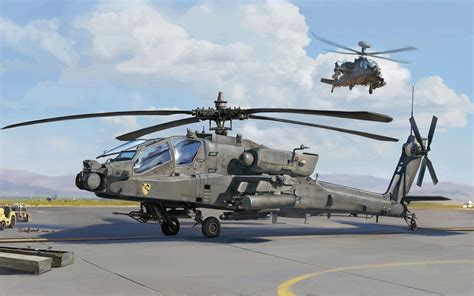
The AH-64 Apache is not a heavy lifter by cargo standards, but its 4,400 lb payload is more than enough to deliver a crippling blow to enemy formations. Its carefully calculated lift is dedicated entirely to weapon systems, advanced avionics, and survivability features, allowing it to dominate the modern battlefield with unmatched versatility.
Frequently Asked Questions
How much weight can an AH-64 Apache lift in external stores?
The AH-64 Apache can carry up to 4,400 lbs of external payload, which typically includes a mix of HELLFIRE missiles, Hydra rockets, and fuel pods, depending on mission needs.
Is the Apache used for troop or cargo transport?
No, the Apache is not designed for transport. Its lift capacity is allocated to combat systems, not personnel or equipment transport. Helicopters like the CH-47 Chinook or UH-60 Black Hawk serve that role.
Which Apache variant has the highest lift capacity?
The AH-64E Guardian, the most modern variant, has improved engines and transmission systems, giving it the best lift performance, especially in high-altitude or hot-weather environments.