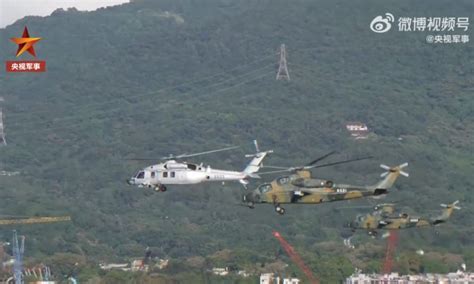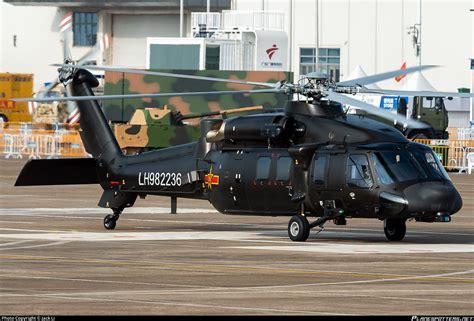
The Harbin Z-20 stands as a bold expression of China’s maturing aerospace ambitions—a medium-lift utility helicopter purpose-built to operate across diverse terrains, including high-altitude plateaus and maritime zones. Developed by the Harbin Aircraft Industry Group (HAIG), the Z-20 is more than a domestic replica of the Sikorsky UH-60 Black Hawk. It is a modern, digitally enhanced, and militarily adaptable platform that has become an essential backbone for multiple branches of the People’s Liberation Army (PLA).
Introduced officially into service on October 1, 2019, following its maiden flight on December 23, 2013, the Z-20 has evolved rapidly into numerous variants. With a maximum takeoff weight of 10,000 kilograms and operations proven at altitudes above 4,000 meters, the aircraft is emblematic of China’s technological confidence in rotorcraft development.
Strategic Necessity Behind the Z-20’s Development
China’s pursuit of an indigenous high-performance helicopter dates back to the early 1980s, when it acquired 24 Sikorsky S-70C-2 Black Hawks from the United States. These helicopters, tailored for high-altitude missions, became vital assets during the Sichuan earthquake in 2008, showcasing the essential need for capable vertical-lift platforms. However, following the 1989 arms embargo, China was cut off from acquiring additional Black Hawks, forcing it to envision a homegrown alternative.
This need matured into a state-mandated research program in 2006, termed the “10-tonne helicopter project,” aimed at producing a versatile, domestically powered, medium-lift helicopter. After years of incremental development and subsystem integration, the Z-20 emerged not as a reverse-engineered copy, but as a platform evolved from experience, advanced avionics, and strategic necessity.
Design Evolution: Black Hawk Origins, Chinese Innovations
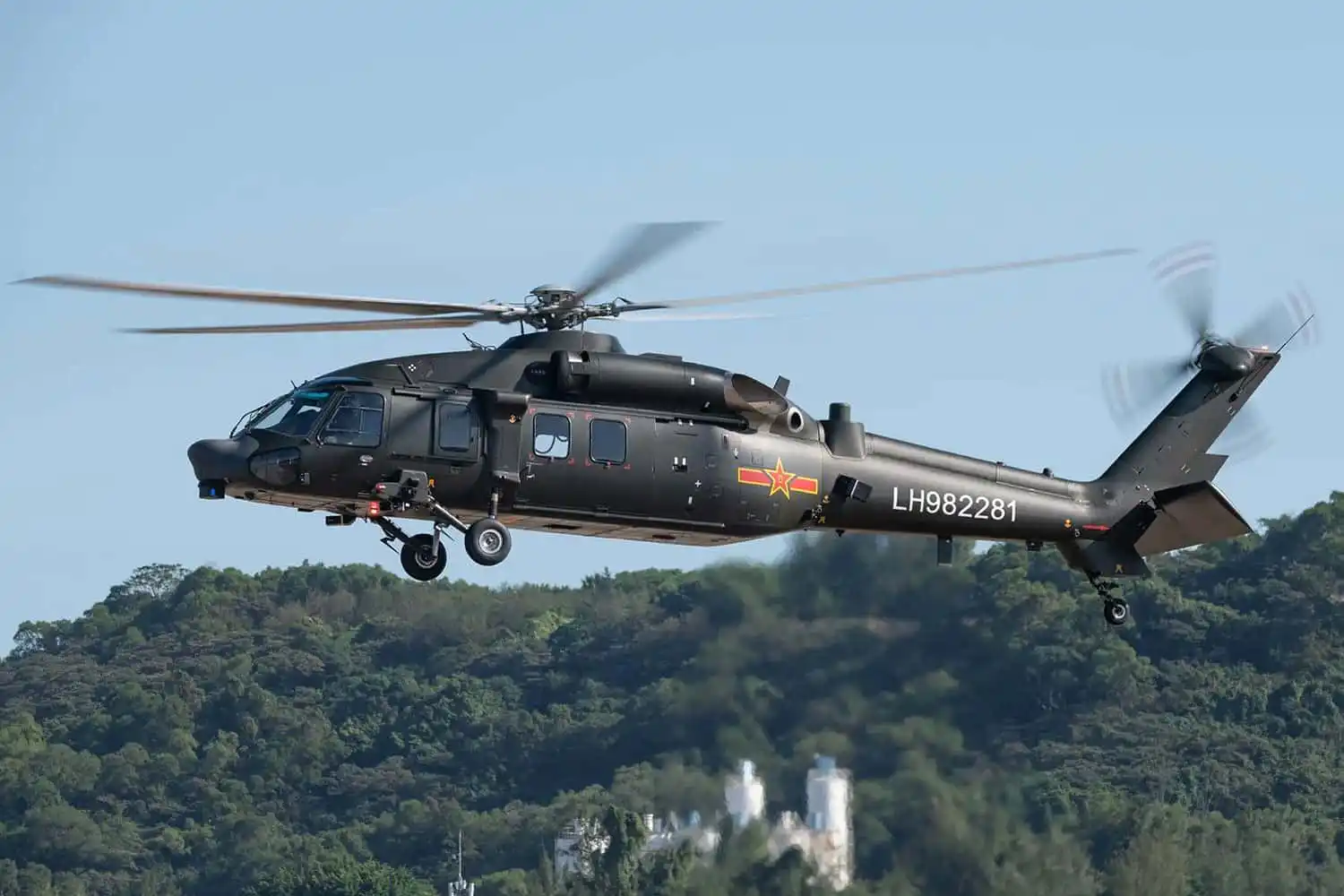
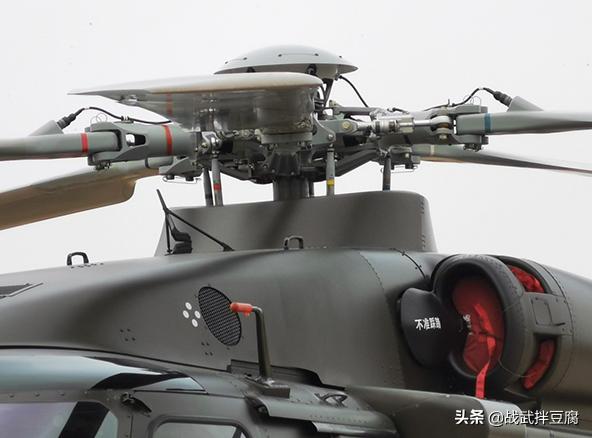
While the Z-20 shares the general silhouette of the UH-60 Black Hawk, its internal architecture and technological suite diverge notably. Fly-by-wire controls replace mechanical linkages, giving pilots smoother handling and redundancy in extreme environments. A notable aerodynamic advancement is the five-bladed main rotor, providing enhanced lift, stability, and operational efficiency.
The Z-20 incorporates a high-angular tail-to-fuselage junction, designed specifically to increase vertical lift capacity in thin air environments. Its aerodynamic fairings likely house the BeiDou navigation system and satellite communications (satcom) hardware, enabling secure and precise geo-positioning. Defensive measures are robust, featuring Radar Warning Receivers (RWR), Missile Approach Warning Systems (MAWS), and 360° directional chaff/flare launchers, offering comprehensive protection in contested airspace.
Powerplant and High-Altitude Performance
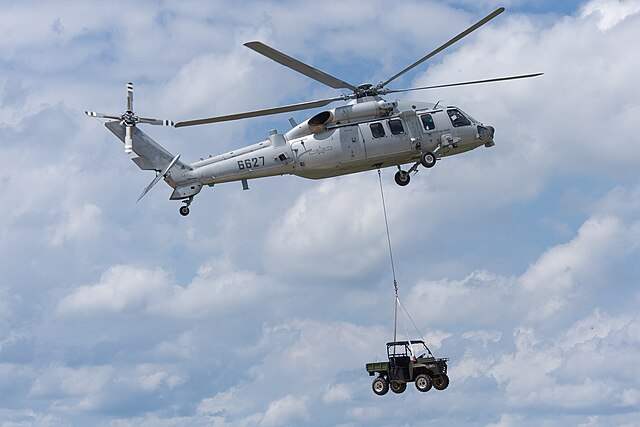
A defining feature of the Z-20 is its pair of domestically developed WZ-10 turboshaft engines, each providing 1,600 kW of nominal power and 2,000 kW during emergencies. These engines rival the performance of the GE T700-701D, while surpassing the older S-70C-2 in sustained high-altitude operation.
Integrated de-icing technology, weight-saving airframe materials, and optimized engine performance allow the Z-20 to sustain operations well beyond 4,000 meters above sea level, particularly vital for missions in Tibet and Xinjiang where thin air can severely impact rotorcraft performance.
Versatile Configurations: Tactical Variants of the Z-20
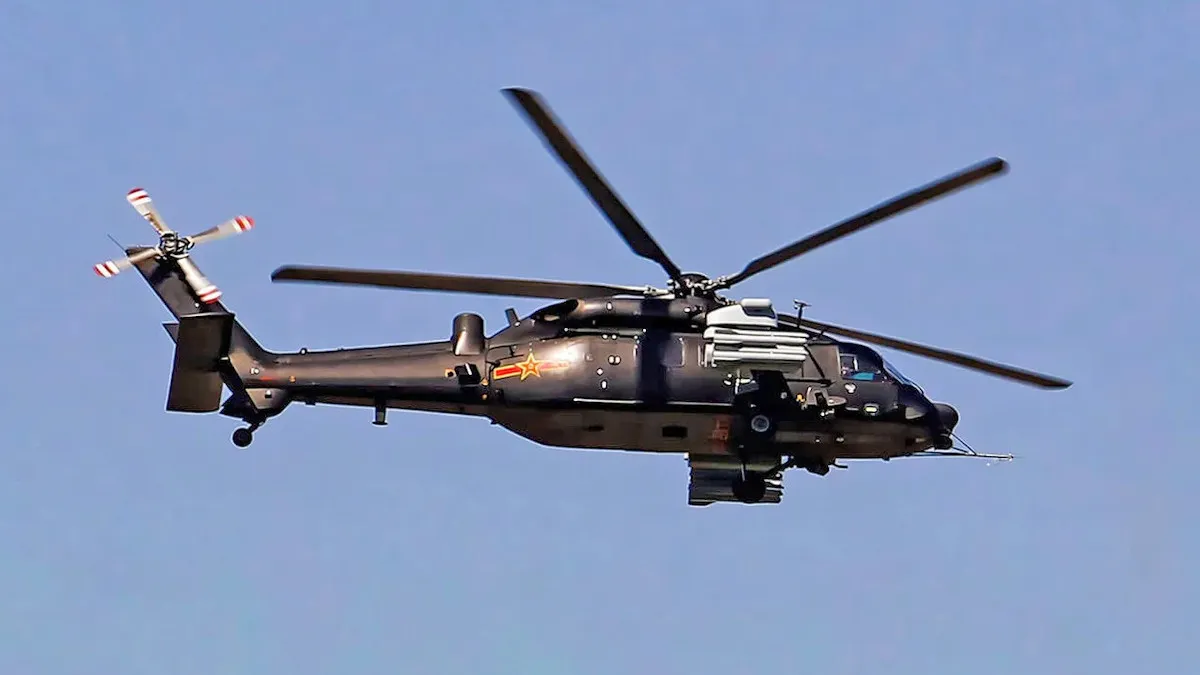
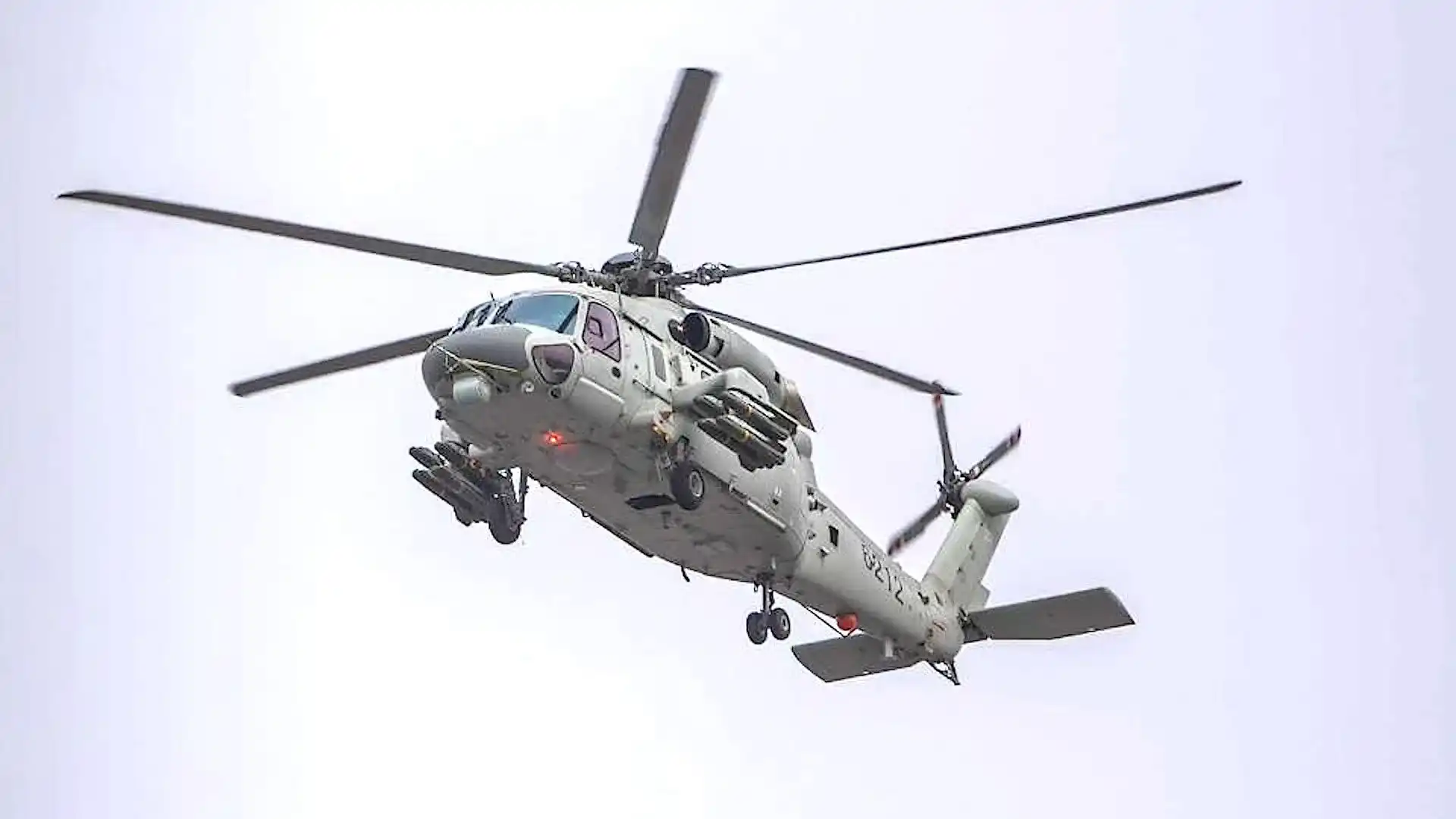
What sets the Z-20 apart from many contemporaries is the rapid expansion of its mission profiles. Beyond being a simple transport or utility helicopter, the Z-20 has morphed into a modular combat and support platform, evident in its expanding list of variants:
- Z-20 (Base Transport): The standard variant, used for troop and cargo transport.
- Z-20T (Tactical Assault): Features stub wings capable of mounting air-to-ground rockets and ATGMs.
- Z-20S (Search and Rescue): Outfitted with FLIR cameras, hoists, and onboard medical evacuation equipment.
- Z-20K / KA / KS (Airborne Corps Variants): Tailored for airborne troop transport, combat search and rescue (CSAR), and fast deployment operations.
- Z-20J / Z-20F (Naval Variants): Equipped for anti-submarine warfare (ASW) with dipping sonar, surface-search radar, and light torpedoes.
- Z-20 PAP (Public Security): Operated by the People’s Armed Police for law enforcement and civil response.
- Z-21 (Attack Derivative): First observed in March 2024, this attack-focused platform boasts a tandem cockpit, 23 mm autocannon, millimeter-wave radar, and six external hardpoints for heavy weaponry.
Operational Footprint Across PLA Branches
The Z-20 is now deeply embedded across the strategic structure of China’s military apparatus. The PLA Ground Force operates an estimated 150+ units, deploying them in roles ranging from tactical lift to rapid assault missions. The PLA Naval Air Force leverages the Z-20F and Z-20J from surface vessels and potentially the Liaoning aircraft carrier, using the helicopter as an extension of its blue-water capabilities.
Within the PLA Airborne Corps, specialized versions such as the Z-20K and Z-20S enhance the agility of China’s rapid-reaction forces. Even the People’s Armed Police, a paramilitary force responsible for internal security, disaster relief, and anti-terrorism, fields Z-20 PAP models, reflecting the platform’s civilian and non-combat relevance.
Combat Survivability and Defensive Electronics
In terms of survivability in hostile environments, the Z-20 features a multi-layered defensive suite aimed at countering radar-guided and infrared-seeking threats. The helicopter’s infrared suppression system masks engine exhaust signatures, while its electronic countermeasure suite actively confuses or decoys incoming threats. Its modular armor kits are reportedly available for installation on mission-specific flights, and hardened fuel tanks ensure resistance against small arms fire and fragmentation.
These features are crucial for operations in forward areas where man-portable air-defense systems (MANPADS) and shoulder-launched missiles remain significant threats.
Technical Specifications of the Z-20
- Crew: 2
- Passenger Capacity: Up to 15 troops or 1,500 kg internal cargo
- External Load: 4,000 kg sling load
- Length: 20 meters
- Height: 5.3 meters
- Empty Weight: 5,000 kg
- Maximum Takeoff Weight (MTOW): 10,000 kg
- Maximum Speed: 360 km/h
- Cruising Speed: 290 km/h
- Range: 560 km
- Service Ceiling: 6,000 meters
- Rate of Climb: 7.1 meters per second
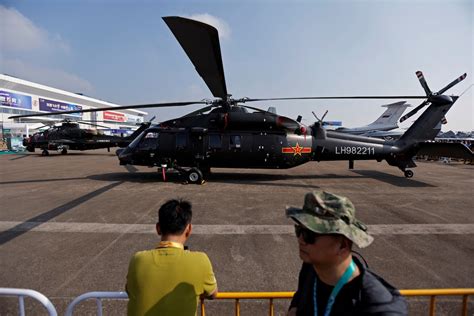
- Armament: Four stub-wing hardpoints capable of carrying AKD-9/10 ATGMs, TY-90 air-to-air missiles, and CM-series rockets. Provisions also exist for side-mounted guns.
A Stealth Future: The Z-20’s Evolution Toward Low Observability
In May 2021, imagery and concept art unveiled a stealth-enhanced variant of the Z-20. This futuristic design featured a trapezoidal fuselage, internalized sensor mounts, a shrouded rotor hub, and flush-mounted exhaust diffusers—all aimed at reducing radar and infrared signatures.
Although the stealth version has not yet entered mass production, it symbolizes China’s forward-looking vision of incorporating low observable technologies into utility and combat rotorcraft, preparing for potential conflicts in electromagnetic and anti-access/area-denial (A2/AD) environments.
Conclusion: Z-20’s Role in China’s Military Ascendancy
The Harbin Z-20 has become a cornerstone of China’s effort to modernize and indigenize its air mobility capabilities. It answers a decades-long strategic gap while projecting China’s ability to develop high-performance platforms domestically, independent of Western suppliers. Its modular nature, high-altitude aptitude, and sophisticated electronic warfare suite position it as more than just a clone—it is a combat-tested, multi-role enabler of modern Chinese military doctrine.
As the Z-20 platform continues to evolve, particularly with the emergence of Z-21 attack models and stealth variants, it will remain pivotal to China’s force projection across its terrestrial and maritime frontiers.