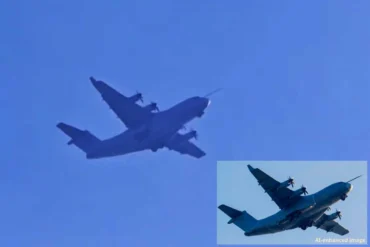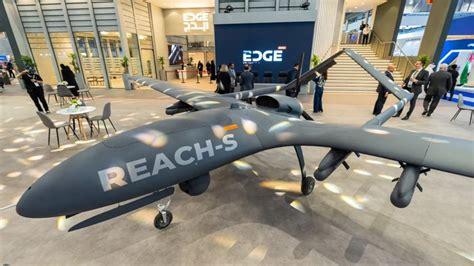
Unmanned Aerial Vehicles (UAVs) have transformed modern warfare, surveillance, and disaster response. Among these, Medium-Altitude Long-Endurance (MALE) UAVs represent a strategic sweet spot — combining altitude, endurance, and payload capabilities that are ideal for a vast array of military and civil missions. Flying typically between 10,000 and 30,000 feet (3,000–9,000 meters) and capable of loitering for 24 to 48 hours, these UAVs are now central to the aerial strategies of dozens of countries.
The Rise of MALE UAVs in Modern Aerial Doctrine
As asymmetric warfare and precision engagement become more prevalent, MALE UAVs have emerged as indispensable assets. Their ability to conduct persistent Intelligence, Surveillance, and Reconnaissance (ISR) and precision strikes without risking pilot lives has revolutionized air power projection. These platforms also play critical roles in border patrol, maritime surveillance, and disaster monitoring. Nations from Israel to Turkey, China to the United States are investing heavily in MALE platforms, each customizing drones to suit unique strategic needs.
Technical Capabilities and Key Performance Metrics
The performance of MALE UAVs hinges on a delicate balance between altitude ceiling, endurance, payload capacity, and operational reliability. While some models prioritize loitering time, others are engineered for stealth, range, or heavy armament.
- Altitude Ceilings range from 16,000 ft (4,800 m) in older or lighter models, up to 45,000 ft (13,716 m) in high-performance systems like South Korea’s KAL KUS-FS.
- Endurance varies significantly, with most platforms offering 24 to 40 hours of continuous flight, while the Yabhon United 40 claims a staggering 120 hours.
- Payload Capacity defines mission flexibility — from surveillance pods to precision munitions. The Eurodrone, for example, supports up to 11,000 kg, making it one of the most versatile in class.
Global Leaders and Dominant Platforms
Israel: Precision and Adaptability
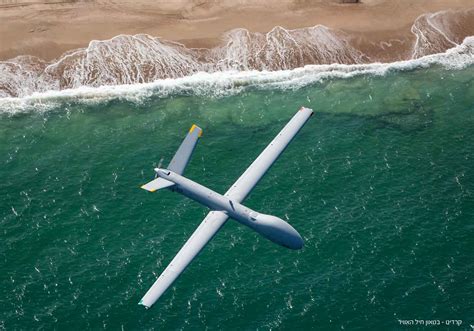
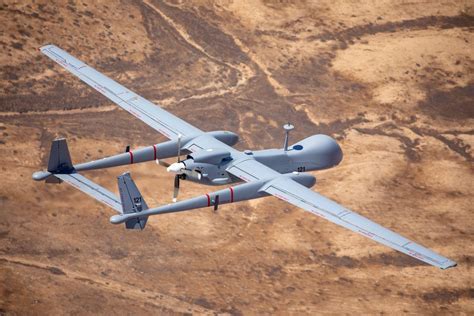
Israel remains at the forefront of MALE UAV development with models like the Elbit Hermes 900, capable of reaching 30,000 ft and flying for 36 hours. The Hermes is prized for its modularity and is widely exported.
Another standout is the IAI Heron, reaching 33,000 ft and flying for 52 hours — a trusted ISR workhorse used by over 20 countries, including India and Australia.
China: Mass Production Meets Innovation
China has aggressively scaled up MALE UAV production. The Wing Loong II boasts 32 hours endurance, a 32,500 ft ceiling, and a 4,200 kg max takeoff weight, making it a powerful surveillance and strike platform.
The latest Wing Loong-3, with a 6,200 kg takeoff weight and 40 hours of endurance, reflects China’s shift toward extended-range power projection. These systems are gaining popularity across the Middle East and Africa due to affordability and rapid delivery timelines.
Turkey: The Drone Powerhouse
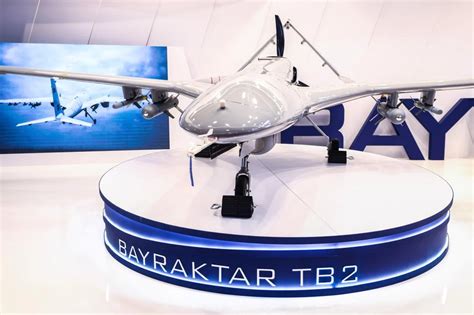
Few nations have seen as meteoric a rise in drone development as Turkey. The Bayraktar TB2, with 27-hour endurance and a 25,000 ft ceiling, became globally known due to its effectiveness in real-world conflicts.
The more advanced TAI Aksungur can stay aloft for 60 hours at 40,000 ft and carry multiple weapon configurations, enabling strategic ISR and attack roles.
Strategic Impact: From Surveillance to Strike
MALE UAVs excel at mission versatility. Their primary applications include:
- ISR Operations: Persistent surveillance over hostile or remote terrain.
- Combat Support: Armed drones conduct precision strikes, especially against insurgent targets.
- Border Control and Reconnaissance: Monitoring illegal activities and environmental hazards.
- Search and Rescue: Equipped with IR sensors, MALE drones can locate individuals during disasters.
The U.S. MQ-1 Predator, although now phased out, demonstrated the transformational effect of MALE UAVs in counterterrorism campaigns across Iraq, Afghanistan, and the Horn of Africa.
The Next Evolution: Autonomy, AI, and Swarm Tactics
As artificial intelligence becomes integral to aerial operations, MALE UAVs are evolving. Future drones will be increasingly autonomous, reducing reliance on ground control stations. AI will optimize route planning, sensor interpretation, and threat avoidance in real time.
Swarm operations — multiple drones working in tandem — will offer enhanced situational awareness, electronic warfare capabilities, and precision targeting. The Kronshtadt Orion and DRDO Archer-NG are steps in this direction, combining endurance with semi-autonomous systems for complex battlefield roles.
Regional Aspirations and Customization Trends
India: Indigenous Strength and Collaboration
India’s DRDO Rustom and Archer-NG showcase growing self-reliance. With endurance up to 24 hours and altitudes reaching 35,000 ft, these platforms cater to India’s unique high-altitude and maritime surveillance needs.
India also fields the IAI Heron and plans to procure MQ-9 Reapers, reflecting a hybrid strategy of domestic development and strategic imports.
Europe: Joint Capability with High Stakes
The Eurodrone, developed by Airbus, Dassault, and Leonardo, reflects Europe’s unified push for strategic autonomy in defense. It offers a maximum altitude of 44,900 ft and carries up to 11,000 kg, tailored for NATO operations.
United States: Pioneer to Powerhouse
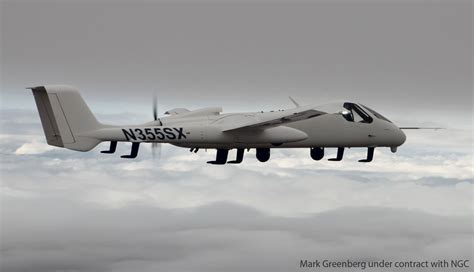
The U.S. continues to lead in MALE UAV innovation. Platforms like the Northrop Grumman Firebird, with 40 hours of endurance, represent next-gen ISR hybrids capable of manned or unmanned flight. They serve roles in surveillance, SIGINT, and network extension.
Challenges and Controversies
Despite their effectiveness, MALE UAVs raise legal, ethical, and logistical questions:
- Rules of Engagement: Armed UAVs operating in contested airspace risk escalation or accidental engagements.
- Airspace Integration: Sharing skies with civilian aircraft requires robust control systems and international coordination.
- Proliferation Risks: With UAV tech becoming cheaper and more available, non-state actors gaining access is a growing threat.
Furthermore, electronic warfare and anti-drone defenses are advancing rapidly, threatening MALE UAVs’ dominance in certain theaters.
Conclusion: A Dominant Class with Evolving Power
Medium-altitude long-endurance UAVs have redefined the concept of air power. Blending affordability, endurance, and mission versatility, they are now staples in both military strategy and civilian applications. With advancements in autonomy and AI integration, the next generation of MALE drones will be smarter, stealthier, and more effective — shaping the future of global aerial operations.
As geopolitical tensions evolve and technology races forward, the skies will remain dominated not by fighters or bombers, but by unmanned sentinels capable of silently watching, reporting, and — when needed — striking with surgical precision.