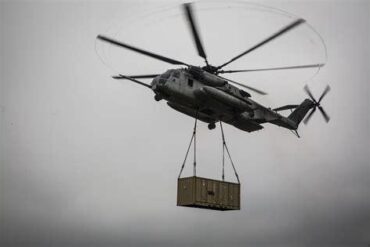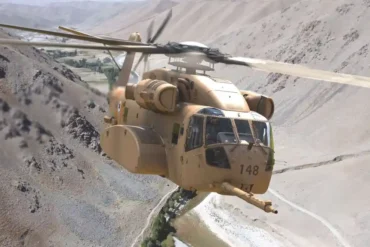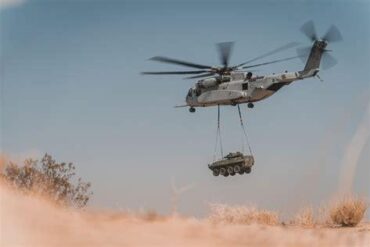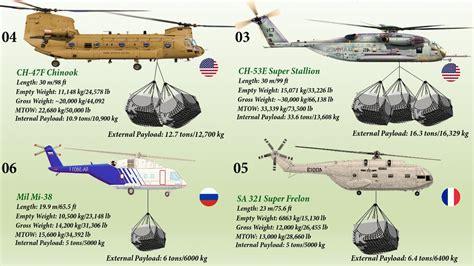
The lifting capacity of a helicopter refers to the maximum amount of weight it can carry, either internally within its cabin or externally via a sling or cargo hook. This capacity varies not only between models but also depending on altitude, air temperature, fuel load, and operational requirements. Helicopters are generally classified as light-lift, medium-lift, or heavy-lift based on their payload capacity. The primary limitation lies in the power-to-weight ratio: the balance between engine output, rotor efficiency, and the total weight of the helicopter plus cargo.
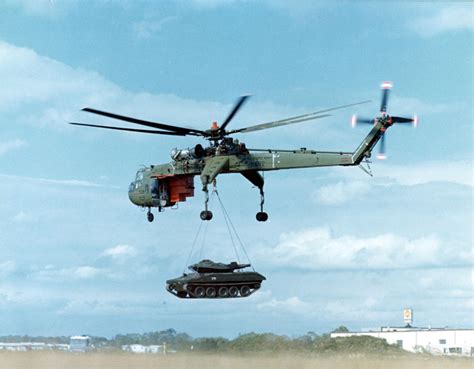
The Sikorsky S-64 Skycrane: A Precision Lifter
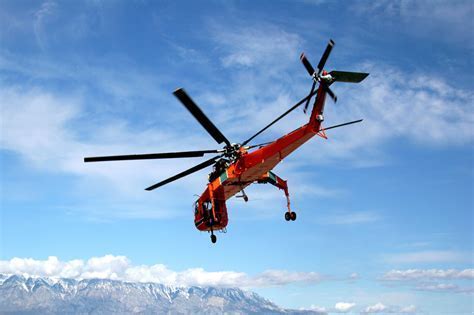
One of the most recognizable heavy-lift helicopters, the Sikorsky S-64 Skycrane, was engineered with a singular purpose: carrying massive loads. Capable of lifting up to 20,000 pounds (9,072 kg), the S-64 features a skeletal fuselage design and a centrally located winch system that allows operators to lower, place, and release cargo with pinpoint accuracy. It has been instrumental in operations ranging from HVAC unit installation on skyscrapers to wildfire suppression using belly tanks.
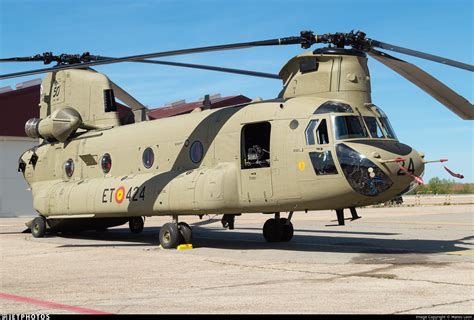
The Boeing CH-47 Chinook: Tandem-Rotor Power
A cornerstone of both military and civilian operations, the Boeing CH-47 Chinook is a tandem-rotor helicopter renowned for its high payload capacity and endurance. The Chinook can transport up to 28,000 pounds (12,700 kg) externally and 24,000 pounds (10,886 kg) internally. With its robust twin engines and stability in adverse conditions, the CH-47 is frequently deployed in disaster relief efforts, large-scale infrastructure projects, and military transport.
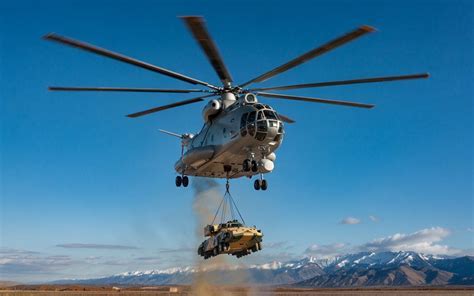
The Mil Mi-26: The World’s Heaviest Lifter
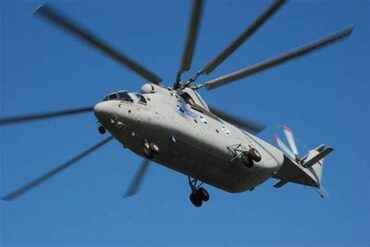
In the realm of aerial lifting, no helicopter surpasses the Mil Mi-26. Built by the Soviet Union and still in operation today, this colossal machine boasts a payload capacity of 44,000 pounds (19,958 kg)—more than many fixed-wing cargo aircraft. The Mi-26’s eight-bladed main rotor and twin 11,400 horsepower engines allow it to hoist construction cranes, tanks, and even smaller helicopters. Its use in remote terrains, including mountainous regions and the Arctic, underlines its unmatched strength and reliability.
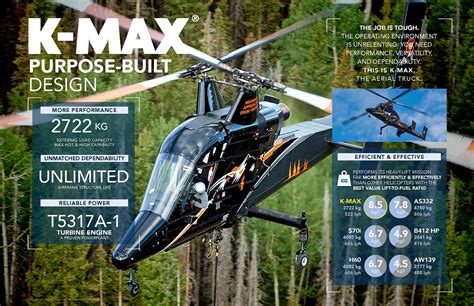
The Kaman K-MAX: Efficiency in Repetition
Engineered for external load operations, the Kaman K-MAX helicopter employs a unique intermeshing rotor system, eliminating the need for a tail rotor and optimizing lift. Though smaller than the giants above, it can carry 6,000 pounds (2,722 kg) and is remarkably fuel-efficient. Used extensively in forestry operations, power line construction, and firefighting, the K-MAX excels in precision and repetition, making it ideal for logistical tasks over rough terrain.
Airbus H225 Super Puma: Versatility Meets Strength
The Airbus H225 Super Puma delivers an excellent balance of lift capacity and versatility. With a maximum external load of 11,000 pounds (4,990 kg), it’s often used in offshore oil rig servicing, search and rescue, and passenger transport. This twin-engine helicopter is equipped with advanced avionics and a spacious cargo hold, making it a preferred choice for operators needing both payload strength and range.

Bell 412: Medium Lift with Multi-Role Utility
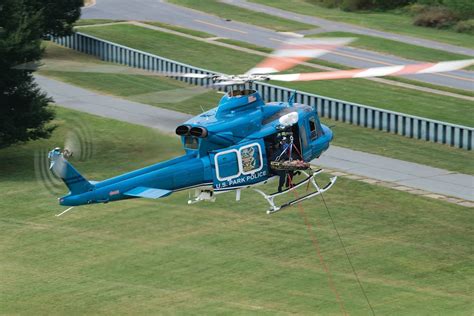
Filling the niche between light and heavy lifters, the Bell 412 offers reliable performance with an external lifting capacity of 4,500 pounds (2,041 kg). This makes it ideal for utility work, including tower construction, material transport, and crew movement. With its robust twin-engine setup and the ability to seat up to 14 passengers, the Bell 412 is also widely used by emergency medical services and government agencies.
Environmental and Operational Factors
While the design and engine power of the helicopter are foundational, external conditions significantly influence actual lifting capacity. Among these factors:
- Altitude: Higher altitudes reduce air density, impairing rotor efficiency and engine performance.
- Temperature: Hot weather decreases air density, requiring more power to achieve the same lift.
- Gross Weight: The total weight of the helicopter, including fuel and onboard equipment, directly reduces the available payload margin.
- Wind Conditions: Strong winds or turbulence can destabilize the aircraft during lifts, reducing efficiency and increasing risk.
Operators must conduct detailed load calculations prior to each mission to ensure that the total weight stays within safe operational limits, factoring in all environmental conditions.
Modern Applications of Helicopter Lifting
Today’s construction, logistics, and emergency sectors benefit immensely from rotary-wing lift capabilities. Helicopters enable construction in urban centers where cranes are impractical, deliver aid to disaster zones unreachable by ground vehicles, and support resource extraction in remote wilderness areas. These capabilities are often enhanced through precision GPS-guided systems, anti-sway cable technology, and real-time telemetry between aircraft and ground crews.
In the renewable energy sector, helicopters are now used to install wind turbine blades at sites previously considered inaccessible. Meanwhile, in environmental protection roles, helicopters assist in wildlife relocation, tree seeding, and hazardous material extraction.
Summary: Helicopter Lifting Capacities in Perspective
To answer the question “how much weight can a helicopter lift?”, we must look beyond a single number. Lifting capacity is the result of engineering design, operational parameters, and environmental conditions. From the agile Kaman K-MAX to the colossal Mil Mi-26, the range of capability spans 4,500 to 44,000 pounds. This broad spectrum ensures that helicopters remain a vital asset in modern infrastructure, disaster relief, and logistics.
Understanding these dynamics empowers operators to maximize safety, reduce operational risk, and improve efficiency in every lift mission undertaken.