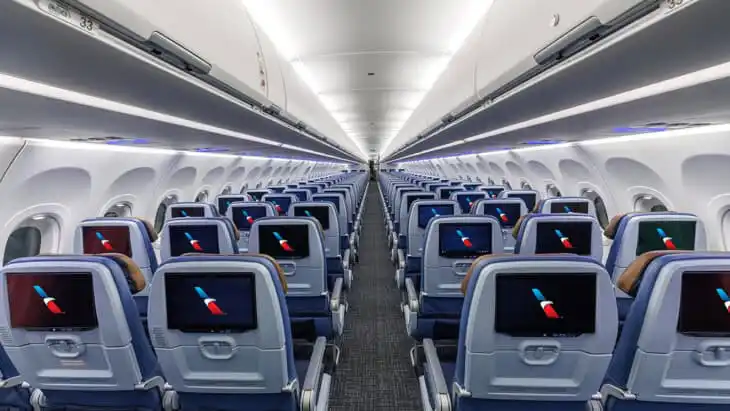
An involuntary downgrade is one of the most frustrating surprises a passenger can face after paying for a premium cabin. A traveler may book Business Class, First Class, or another higher-fare product only to discover at the airport that an aircraft change, capacity problem, or operational disruption has left them sitting in a lower cabin. While airlines have mechanisms for compensating affected customers, the value of that compensation can become a major point of contention.
That issue has recently drawn renewed attention at American Airlines, after criticism surrounding the carrier’s policy for passengers involuntarily downgraded from their booked cabin. The controversy centered on a 40% refund rule that American had adopted for affected flight segments. Rather than calculating compensation according to the actual difference between the premium fare and the lower cabin received, the policy applied a fixed percentage of the original ticket price.
At first glance, a refund worth 40% of a passenger’s ticket might appear reasonably generous. The problem was that the percentage did not necessarily correspond to the financial value of the cabin that the passenger lost. Research highlighted by consumer advocate Ben Edelman suggested that premium-cabin fares could be dramatically higher than economy fares, meaning a fixed 40% refund could leave some downgraded travelers substantially undercompensated.
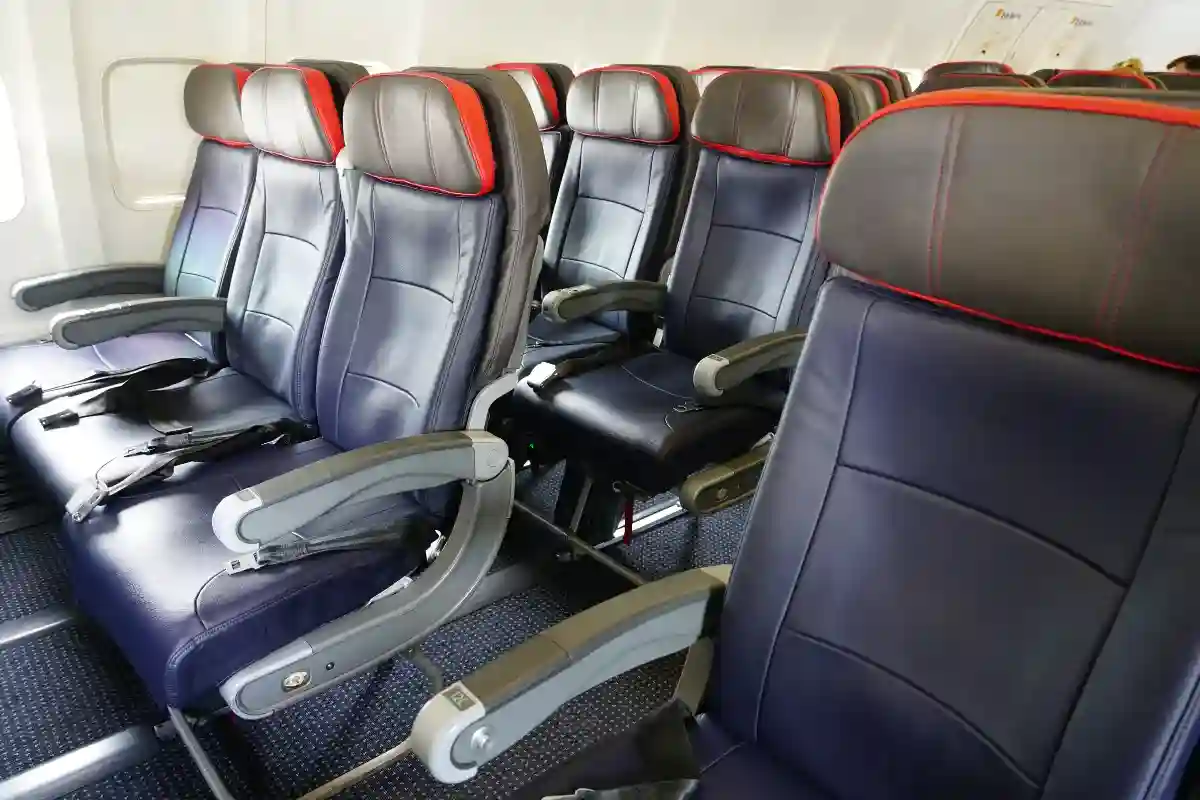
American Airlines’ 40% Downgrade Refund Rule Faces Criticism
The fundamental question surrounding American’s previous policy was straightforward: what should a passenger receive after being involuntarily downgraded? A traveler who purchases a premium seat is not simply purchasing transportation from one airport to another. They are paying for a specific level of service, including cabin space, seating, meals, privacy, priority treatment, and other benefits associated with the higher fare.
American Airlines defended its 40% approach by arguing that passengers still received the principal transportation service on the flight they selected. Under that logic, returning 40% of the fare for the affected segment represented a substantial financial concession while recognizing that the passenger had still reached their destination.
However, the economics could work against passengers. Edelman’s research found that premium-cabin tickets typically cost around 4.2 times as much as economy tickets. Consequently, a fixed percentage of the original fare does not necessarily represent the real monetary difference between the service purchased and the service ultimately delivered.
For example, the financial impact becomes much clearer when a passenger has paid thousands of dollars for a premium itinerary. If the replacement cabin is worth substantially less than the original booking, a percentage-based refund can leave a large gap between the compensation offered and the actual value of the downgrade.
DOT Complaint Pushes American Airlines Toward Fare-Difference Refunds
American Airlines has now changed its approach. According to the supplied reporting, the airline is moving away from the controversial 40% refund formula and instead calculating compensation using the fare difference between the original purchase and the average fare associated with the cabin actually received.
This represents a significant change because the new methodology is much more closely connected to the economic value of the downgrade. Instead of treating every passenger according to the same percentage, the calculation recognizes that different tickets have different prices and that the financial consequences of a downgrade can vary considerably.
The change also follows a complaint submitted to the U.S. Department of Transportation (DOT). Edelman and fellow complainant Mike Borsetti challenged the previous approach and continued pressing for clearer standards governing involuntary downgrade refunds.
Edelman has characterized American’s policy change as effectively acknowledging that the 40% figure did not accurately measure passenger loss. That distinction matters because refund policies are ultimately about more than goodwill. They establish how an airline values a service that it failed to provide.
Passengers Could Recover Hundreds or Thousands More
The practical consequences of the new policy could be considerable for travelers affected by involuntary downgrades. Depending on the original ticket price and the cabin into which the passenger was moved, the difference between a fixed 40% refund and a fare-based calculation could amount to hundreds or even thousands of dollars.
The change is particularly important for passengers purchasing expensive international Business Class or First Class tickets. A premium itinerary can carry a substantial price premium over economy, especially on long-haul routes. When the passenger is involuntarily moved downward, compensation based on the actual fare gap can therefore provide a much more meaningful reflection of what was lost.
The policy also sends a broader message about transparency. Passengers should be able to understand why they are receiving a particular refund and how that figure was calculated. A formula tied directly to the difference in cabin value is easier to connect with the original purchase decision than an unexplained fixed percentage.
Calls for Retroactive Refunds Continue
Despite American’s policy change, the dispute is not necessarily finished. Edelman and Borsetti have reportedly asked the DOT to consider retroactive financial relief for passengers who previously accepted refunds calculated under the 40% system.
That request could prove more complicated than changing the policy for future cases. Retroactive compensation would require determining which passengers were affected, how their previous refunds were calculated, and whether additional amounts should now be paid. Nevertheless, the demand highlights a central issue: changing the rules going forward does not automatically resolve concerns about passengers who were compensated under the earlier methodology.
The complainants have also called for clearer downgrade refund rules, which could help passengers understand their rights before accepting compensation from an airline.
American Airlines Has Also Changed Its 24-Hour Refund Policy
The downgrade dispute comes amid another notable change involving American Airlines’ refund policies. The carrier recently altered its rules surrounding the 24-hour cancellation and refund window.
Previously, passengers could reportedly cancel for a full refund within 24 hours of purchase even when booking a flight only two days before departure. Under the newer approach described in the supplied material, the 24-hour refund provision applies when the flight is booked at least seven days before departure.
That change aligns American with the minimum federal requirement established by the DOT, but it also means travelers making last-minute bookings have less flexibility.
Together, these developments demonstrate why airline refund policies deserve careful attention. A ticket’s price is only one part of the transaction; the conditions governing cancellations, downgrades, and refunds can have a substantial financial impact.
For passengers flying American Airlines, the shift away from the 40% downgrade refund rule is therefore an important development. By tying compensation more closely to the fare difference, the carrier’s new approach should better reflect the economic value of the service passengers actually receive when an involuntary downgrade occurs.