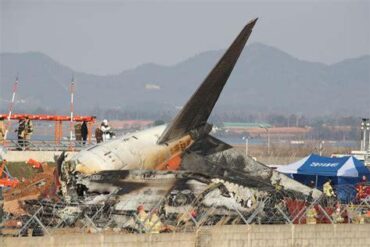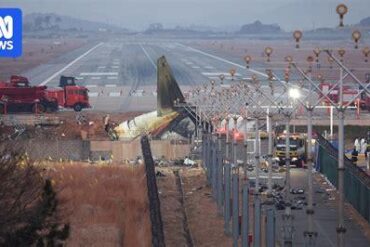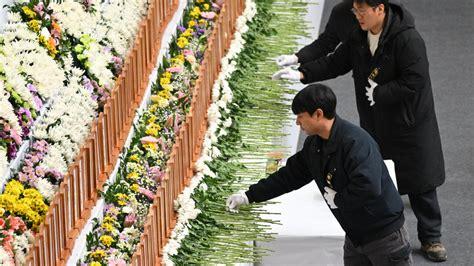
On December 29th, a routine commercial flight operated by Jeju Air ended in one of the most devastating aviation disasters in South Korean history. Flight 801, a Boeing 737-800, took off from Bangkok and headed for Muan International Airport, only to crash-land and erupt in flames shortly after declaring a mayday. Of the 181 people on board, 179 perished, leaving behind a trail of grief, unanswered questions, and rising public indignation.
Families Demand Justice: Criminal Complaint Filed Against High-Ranking Officials
Five months after the fatal crash, 72 bereaved relatives have taken an extraordinary legal step. In a formal criminal complaint, they have accused 15 individuals, including South Korea’s Transport Minister, the CEO of Jeju Air, and several airport personnel, of professional negligence. These accusations are not merely symbolic gestures of grief — they represent a firm, deliberate move toward accountability and institutional reckoning.
“This was not a simple accident,” the families assert in their official statement. “It was a major civic disaster caused by negligent management of preventable risks.”
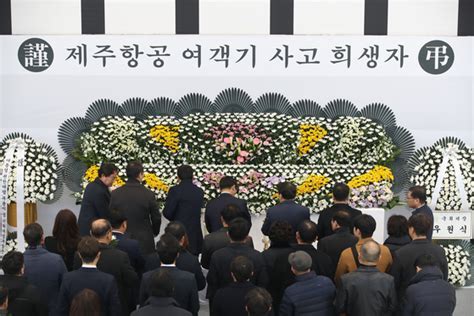
Their complaint highlights systemic failures across multiple layers of responsibility: government oversight, airline management, and airport operations. The charges claim these parties did not just fail in the moment — they ignored risks that were foreseeable and neglected safeguards that could have saved lives.
The Deadliest Aviation Disaster on South Korean Soil
This crash stands as the worst plane crash on South Korean territory, not only in terms of fatalities but also in the scale of public impact. The incident has rattled the nation and deeply eroded trust in both the transport regulatory systems and the aviation industry.
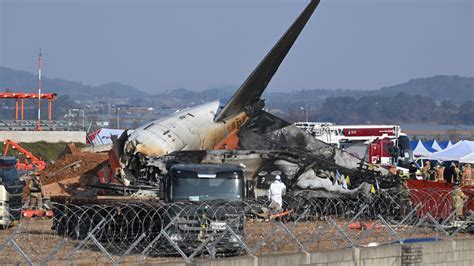
The chain of events began when the aircraft reportedly struck a bird just five minutes after establishing contact with Muan airport’s air traffic control. The pilots declared an emergency and attempted to land from the opposite direction. However, in a tragic sequence of missteps, the aircraft belly-landed without deploying its landing gear, overran the runway, and crashed into a concrete barrier — leading to a fiery explosion.
Investigators did find bird feathers in both engines, but have yet to confirm whether the bird strike was the primary cause of the catastrophe.
Gaps in Oversight: Negligence Beyond the Cockpit
According to the complaint, the failings were far-reaching and structural. Among those accused are officials responsible for:
- Air traffic control response protocols
- Reinforcement work on a safety mound located at the runway’s end, which may have breached safety codes
- Construction and maintenance of airport facilities
- Bird control operations, which had previously been flagged as inadequate
There are serious questions about whether routine risk assessments were conducted, if wildlife mitigation plans were in place, and whether the emergency landing procedure was effectively communicated or managed in real time.
This calls into question the role of state oversight bodies and whether complacency, cost-cutting, or bureaucratic inertia contributed to the tragedy.
No Indictments Yet: Mounting Frustration Among Victims’ Families
Despite a police investigation already underway and the travel ban on Jeju Air CEO Kim E-bae, there have been no indictments to date. For many relatives, this delay is intolerable.
“We are filled with deep anger and despair,” said Kim Da-hye, who lost a sibling in the crash. “Having taken this extraordinary measure of filing a criminal complaint, we will not give up and will continue to pursue the truth.”
For families who have already endured the loss of loved ones, the lack of clear answers, or even acknowledgment of fault, is a continuation of trauma. The longer justice is delayed, the deeper the wounds.
Online Abuse: From Grief to Defamation
In a particularly cruel twist, some of the families grieving the loss of relatives have found themselves attacked online. Conspiracy theories and hate speech emerged shortly after the crash, accusing victims’ families of being “fake victims” or suggesting they were celebrating compensation payouts.
As of March 2025, eight individuals have been arrested for spreading defamatory and false information about the victims’ families. Such abuse reflects not only a failure of public decency but also the failure of social media platforms to protect vulnerable individuals in the wake of national tragedies.
Layers of Accountability: Structural, Operational, and Ethical Failures
The criminal complaint raises a key concern — accountability in layered aviation ecosystems. Modern aviation safety is a highly interdependent domain. When tragedy strikes, blame is often diffusely spread across various nodes: pilots, air traffic controllers, airline executives, maintenance crews, and government regulators. But when multiple safeguards fail simultaneously, it signals a systemic collapse.
What makes this case more alarming is that most of the alleged failures were preventable:
- Wildlife strikes are not unprecedented, yet there appeared to be no proactive bird control system active around the airport.
- Emergency landing zones and runway overrun areas are designed with specific crash energy absorption measures, but in this case, the aircraft struck a concrete structure, violating what many aviation experts deem fundamental runway safety design.
- The lack of automated emergency systems or pilot alert redundancy raises red flags about the aircraft’s maintenance standards and safety readiness.
The Broader Implications for South Korean Aviation
This case is more than just a national tragedy; it is a litmus test for South Korea’s aviation governance and regulatory rigor. As a country that has long prided itself on technological innovation and safety, the implications are both domestic and global. South Korea’s aviation safety standards may now come under international scrutiny, particularly from ICAO (International Civil Aviation Organization) and regional partners.
Unless transparent investigations and structural reforms follow, the crash may signal a growing complacency in national safety systems — a concern that could ripple into other transport sectors.
Public Outcry and Media Scrutiny
Public sentiment has turned sharply critical. In the early weeks following the disaster, national mourning dominated headlines. However, the prolonged absence of transparency, coupled with stonewalled investigations, has fueled a sense of betrayal.
Major media outlets have begun airing detailed exposés, calling into question not only the airline’s operating procedures but also the political relationships between transport authorities and private carriers.
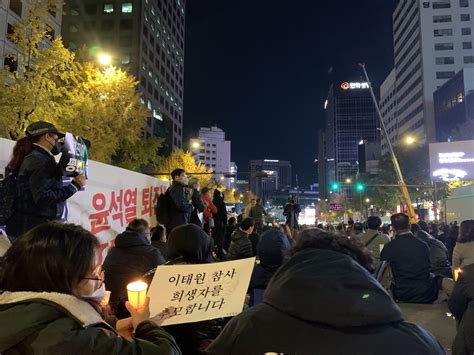
Public protests have erupted in Seoul, Busan, and Gwangju — with demonstrators demanding the resignation of top officials, an independent inquiry, and legally binding reforms in aviation safety protocols.
Moving Forward: A Demand for Institutional Reform
The families’ legal complaint is not just about punishment — it is a call for systemic change. They seek the implementation of:
- Transparent aviation accident investigations led by independent panels
- Real-time airport wildlife detection systems
- Strengthened runway safety zone regulations
- Mandatory disclosure of risk audits by all commercial carriers
What lies ahead is not just a legal battle, but a wider struggle over institutional responsibility, ethical governance, and the right to public safety.
“We want no more families to go through what we have endured,” said a family spokesperson at a recent vigil. “Our voices will not be silenced until justice is done.”
As the country watches and waits, one truth remains clear: the pursuit of justice for Flight 801 is far from over.