The Jeju Air Flight 2216 disaster on December 29, 2024, remains South Korea’s deadliest aviation tragedy in recent history. One year later, the pain, uncertainty, and demand for answers persist. As families continue to mourn the loss of 179 lives, two survivors stand as rare witnesses to an accident that has raised complex questions about aviation safety, emergency procedures, and infrastructure integrity in the Republic of Korea. Yet, the full investigation report has yet to be made public, and speculation continues to mount.
The Tragic Landing At Muan International
On that fateful winter evening, Jeju Air Flight 2216 attempted to land at Muan International Airport (MWX). A bird strike incident occurred during the approach phase. According to preliminary reports, the crew declared an emergency. However, in a move now scrutinized, they allegedly shut down the wrong engine—a critical mistake that could have altered the plane’s fate.
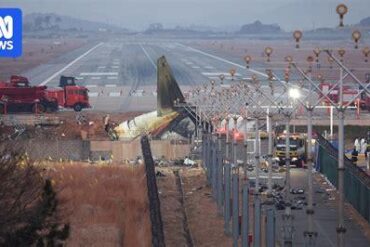
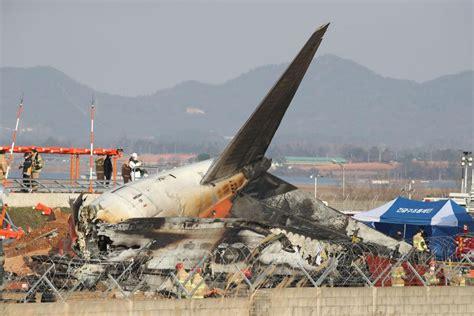
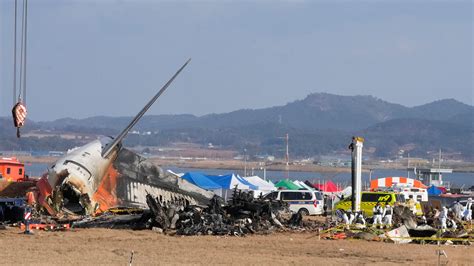
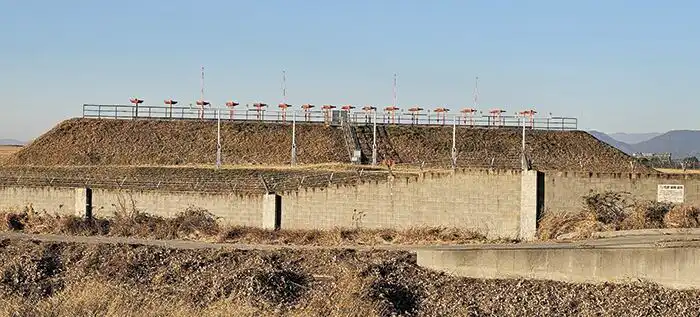
The aircraft, a Boeing 737, touched down with retracted landing gear, skidding down the 2,500-meter runway. It ultimately slammed into a concrete mound beneath the landing signal array, igniting a fireball that consumed most of the fuselage. The cockpit voice recorder (CVR) and flight data recorder (FDR) both stopped transmitting seconds before the distress call, leaving investigators with incomplete insights.
Mounting Frustration Over Delayed Findings
According to international air safety standards, investigation results should be released within a year of an accident. However, as of December 2025, the final report on Flight 2216 has not been made public. Officials from the South Korean investigation board, cited by The Asahi Shimbun, declined to disclose timelines for the release, heightening the anxiety and anger among bereaved families.
The Ministry of Transportation has publicly acknowledged the delay, assuring that efforts are underway to complete the report. But public trust continues to erode. The South Korean Parliament, responding to growing public discontent, has promised an independent probe to expedite transparency. On December 25, grieving families gathered to protest the silence. Ryu Kum-ji, who lost both parents, took the symbolic and painful step of shaving her head in public, declaring that “doubts are only growing bigger.”
Was Infrastructure to Blame?
The role of airport infrastructure in the scale of destruction cannot be ignored. An anti-corruption panel revealed that the concrete structure Flight 2216 struck did not meet international safety standards. Instead of breaking away or minimizing impact, its strength contributed to the aircraft’s disintegration. This revelation has drawn immense scrutiny toward the airport’s renovation practices.
In an urgent response following the crash, seven airports were flagged for retrofitting with “breakable” safety structures, including the heavily trafficked Jeju Island Airport. At Muan International, the safety overrun area is now being extended. However, critics argue that these changes are reactive rather than preventive—and too late for the lives lost in the tragedy.
The Controversy Around the Bird Strike and Engine Shutdown
Preliminary findings allege that the pilots may have shut down the wrong engine following the bird strike—a fatal error in modern aviation. This claim has been fiercely contested by both the Jeju Air pilots’ union and victims’ families. They argue that without a complete CVR/FDR transcript and with inconsistencies in the timeline, the claim cannot be substantiated.
Wildlife advisories were reportedly shared with the crew before landing. Flight 2216 encountered a flock of birds during a go-around, and the second landing attempt is when the fatal impact occurred. Despite these conditions, the airplane was cleared to land. The incompleteness of recorded data has fueled suspicions of potential negligence or efforts to obscure procedural failures.
The Human Toll and Public Reaction
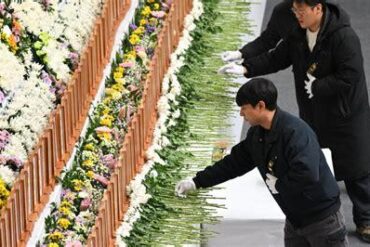
The Jeju Air crash has become a national tragedy, with many labeling it a symbol of systemic oversight in aviation safety management. Beyond the 179 lives lost, the psychological impact on families, survivors, and first responders is immeasurable.
Adding to the emotional weight of the situation, the former head of Korea Airports Corporation—whose son managed airport renovations—was found dead in an apparent suicide shortly after the crash. This has cast a darker shadow over the incident, intensifying public calls for accountability.
Legislative and Systemic Shifts
Since the 1970s, South Korea has worked to shed its troubled aviation safety record. Flight 2216’s devastation threatens to undo decades of progress. However, the aftermath has spurred critical reform:
- Parliamentary oversight of aviation infrastructure is being strengthened.
- Breakaway safety zones are being mandated across airports.
- The independent crash investigation board is now under heightened scrutiny for transparency.
Still, these developments are viewed as overdue by many aviation experts. The fact that the concrete structure involved was only scheduled for removal after the crash has been described by media outlets as indicative of a systemic failure to prioritize safety over convenience.
The Road to Closure
As 2025 comes to a close, families of Flight 2216’s victims remain in limbo. Without the final report, they are left with fragmented information, speculative conclusions, and a growing mistrust in the very agencies meant to protect public safety.
We now know:
- The flight crew declared a bird strike emergency.
- The landing gear was not deployed.
- The crash occurred after a second landing attempt.
- Critical recordings were lost moments before the crash.
- An improperly constructed concrete mound contributed to the severity.
And yet, we still do not know:
- Whether the wrong engine was definitively shut off.
- If air traffic control should have delayed the landing.
- What systemic gaps in emergency protocol exist within Jeju Air.
These unanswered questions make closure impossible for the victims’ families. The case of Jeju Air Flight 2216 is no longer just about a tragic crash—it is now about a nation’s struggle to uphold aviation integrity in the face of profound loss.
Until the full investigation is released and accountability is embraced, Flight 2216 will remain a haunting emblem of incomplete justice in South Korea’s aviation history.