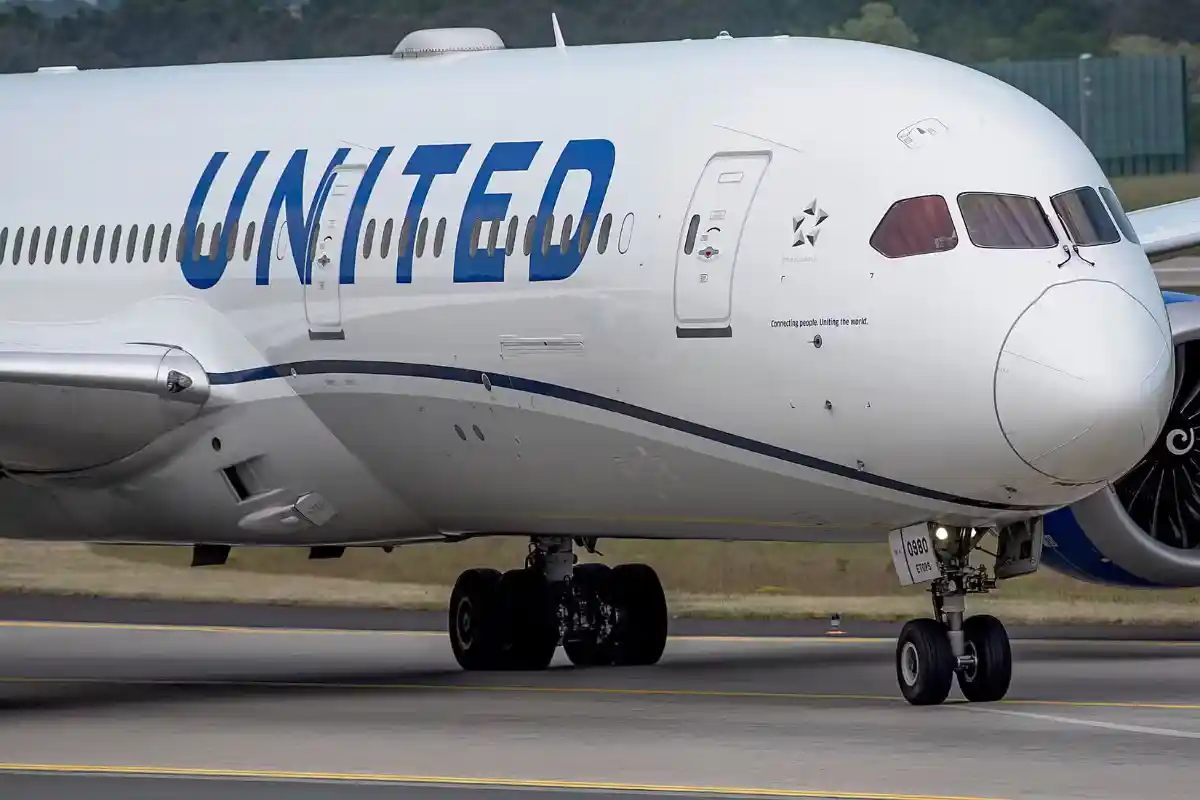
The delivery of the first Boeing 787-9 equipped with the newly certified increased Maximum Takeoff Weight (iMTOW) capability marks a significant milestone for both Boeing and United Airlines. Arriving less than two months after the Federal Aviation Administration approved the performance enhancement, the aircraft demonstrates how rapidly a regulatory certification can translate into real-world operational benefits for airlines. More importantly, it signals the beginning of a new phase for the Dreamliner family, one in which incremental engineering improvements deliver meaningful gains in profitability, flexibility, and network reach.
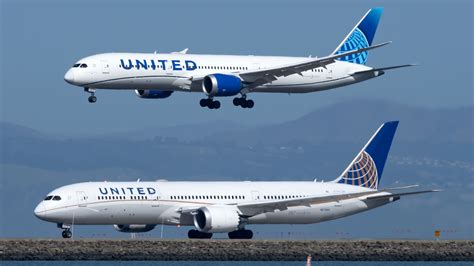
The aircraft, registered N81105, is the first Dreamliner delivered with the iMTOW option activated. While the weight increase may appear relatively modest compared to the aircraft’s overall size, the operational impact is substantial. Airlines operating long-haul and ultra-long-haul services continuously face trade-offs between passenger loads, cargo capacity, fuel requirements, and route distance. Additional takeoff weight provides greater flexibility in balancing these variables, allowing carriers to optimize aircraft performance according to specific market demands.
For United Airlines, which has built much of its international expansion strategy around the Boeing 787 family, the enhanced Dreamliner arrives at a particularly important time. The carrier continues to expand its premium international offerings while simultaneously pursuing higher cargo revenues and greater operational reliability across some of the world’s longest routes.
FAA Approval Brings New Performance Capabilities To The Dreamliner
The FAA’s certification of the increased maximum takeoff weight configuration represents one of the most significant upgrades introduced to the Dreamliner family in recent years. The approval raises the certified maximum takeoff weight of the Boeing 787-9 by approximately 10,000 pounds (4,500 kilograms) and the 787-10 by roughly 14,000 pounds (6,400 kilograms).
These additional weight allowances create new operational possibilities for airline customers. Depending on route requirements, carriers can use the extra capacity to carry more passengers, accommodate additional cargo, load more fuel for extended missions, or employ a combination of all three. Such flexibility is especially valuable in today’s aviation market, where route economics can change rapidly due to weather patterns, seasonal demand fluctuations, and cargo market conditions.
Boeing estimates that the enhanced-weight configuration can provide more than 300 nautical miles of additional range for the 787-9 and over 400 nautical miles for the 787-10 under certain operational scenarios. These gains open opportunities for airlines to operate longer routes more efficiently while reducing payload restrictions that may have previously limited profitability.
What makes the achievement particularly noteworthy is that Boeing accomplished the upgrade without introducing a major redesign. Rather than developing an entirely new aircraft variant, engineers leveraged existing structural margins and production improvements already embedded within the manufacturing process. As a result, aircraft produced since late 2025 were built with the capability to support the higher certified weights, enabling customers to activate the upgrade quickly after regulatory approval.
Why Additional Takeoff Weight Matters On Long-Haul Flights
In commercial aviation, every additional pound of allowable takeoff weight carries economic significance. Long-haul aircraft operators constantly manage complex calculations involving passenger demand, baggage loads, cargo shipments, fuel requirements, airport restrictions, and weather forecasts.
On ultra-long-distance flights, strong headwinds can force airlines to limit cargo or passenger loads in order to carry sufficient fuel. Such restrictions directly affect revenue generation. An aircraft capable of departing with greater weight can often maintain payload levels that would otherwise need to be reduced.
For cargo operations, the benefits are equally compelling. Belly cargo carried beneath passenger cabins has become an increasingly important revenue stream for global airlines. Additional payload capacity enables carriers to transport higher-value freight, improving route profitability without increasing flight frequency.
The improvement is particularly relevant on routes exceeding twelve hours in duration. Flights connecting North America with destinations in Asia, Oceania, and the Middle East frequently encounter operational challenges related to weather systems, jet streams, and seasonal conditions. The iMTOW capability gives airlines greater flexibility to manage these variables while maintaining commercial performance.
United Airlines Emerges As The Perfect Launch Customer
United Airlines is uniquely positioned to benefit from the new Dreamliner capability. The airline currently operates more than 80 Boeing 787 aircraft and has additional Dreamliners on order as part of its long-term fleet modernization strategy.
The carrier’s international network spans six continents and includes numerous ultra-long-haul services from hubs such as San Francisco, Newark Liberty International Airport, and Washington Dulles International Airport. Many of these routes rank among the longest regularly scheduled flights operated by any U.S. airline.
Because United frequently serves destinations separated by vast oceanic distances, aircraft performance flexibility becomes critically important. Additional takeoff weight allows the airline to better manage operational variables while maximizing revenue opportunities across its global network.
The timing of the delivery also aligns with United’s broader premium-cabin strategy. The airline is introducing a new generation of Dreamliners featuring upgraded business-class suites, expanded premium economy seating, and enhanced passenger amenities designed to attract higher-yield travelers.
Premium-focused cabin configurations often increase aircraft weight due to larger seats, additional onboard facilities, and enhanced service offerings. The iMTOW capability helps offset these weight increases, preserving route flexibility while supporting the airline’s premium revenue goals.
Strengthening The Competitive Position Of The Boeing 787 Family
Since entering commercial service in 2011, the Boeing 787 Dreamliner has transformed long-haul air travel. The aircraft family introduced advanced composite construction, improved fuel efficiency, lower operating costs, and enhanced passenger comfort compared with many previous-generation widebody aircraft.
The fleet has now transported more than one billion passengers worldwide and completed nearly five million flights. Dreamliners currently serve more than 500 airports across over 85 countries, making the aircraft one of the most influential commercial aviation programs of the modern era.
The iMTOW certification further strengthens the aircraft’s competitive position. Rather than relying solely on major technological breakthroughs, Boeing is demonstrating the value of continuous improvement. Incremental upgrades that increase payload capability and route flexibility can generate substantial economic returns throughout an aircraft’s operational lifespan.
John Murphy, Boeing’s 787 Chief Project Engineer, summarized the philosophy behind the enhancement by noting that some customers wanted the 787-10 to operate longer missions while others sought greater payload flexibility from the 787-9. The new certification effectively delivers both objectives within a single performance upgrade.
A Strategic Victory For Boeing’s Product Development Approach
The first iMTOW Dreamliner delivery highlights a broader strategy within Boeing’s commercial aircraft business. In an industry where developing an entirely new aircraft can require tens of billions of dollars and many years of engineering effort, extracting additional value from existing platforms offers significant advantages.
Airlines benefit because they receive improved performance without introducing additional fleet complexity. Pilots do not require new type ratings, maintenance organizations avoid extensive retraining programs, and airports need no infrastructure modifications. The enhanced capability integrates seamlessly into existing operations.
For Boeing, the upgrade demonstrates the continued evolution of the 787 platform at a time when demand for efficient long-haul aircraft remains strong. The manufacturer delivered 88 Dreamliners during 2025 and continues increasing production rates to address a substantial backlog of customer orders.
With more than 2,000 orders accumulated worldwide, the 787 program remains one of the most successful widebody aircraft families ever developed. The addition of iMTOW capability further enhances its attractiveness to airlines evaluating future fleet investments.
As more carriers begin accepting enhanced-weight Dreamliners, the upgrade is likely to become a standard expectation rather than a niche option. Airlines increasingly demand aircraft capable of maximizing cargo revenues, supporting premium cabin strategies, and operating challenging long-distance routes with fewer restrictions.
The delivery of United Airlines’ first iMTOW-equipped 787-9 therefore represents more than a single aircraft handover. It marks the beginning of a new operational standard for the Dreamliner family, one that combines greater payload flexibility, expanded range potential, and stronger economic performance. In a competitive global aviation market where every additional mile and every extra tonne of payload can influence profitability, the enhanced Dreamliner offers airlines a valuable new tool for long-haul success.