If you’ve ever taken a close look at the inner workings of smaller aircraft, you’ll notice a curious yet purposeful design choice—the use of wide, flat engines known as horizontally-opposed ‘boxer’ engines. Unlike the tall, vertical engines commonly associated with cars or some larger aircraft, these engines sit low and spread out, a design that has become synonymous with general aviation, especially in smaller, propeller-driven planes.
At first glance, the configuration may seem unusual, but the engineering rationale behind it is deeply rooted in performance, safety, and practicality. Much like how high-performance automobiles such as Subaru WRX models utilize boxer engines for better handling and balance, smaller aircraft adopt this same mechanical principle for critical reasons beyond aesthetics.
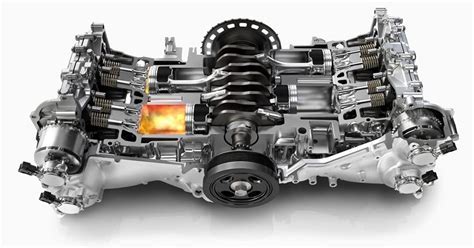
What is a Horizontally-Opposed ‘Boxer’ Engine?
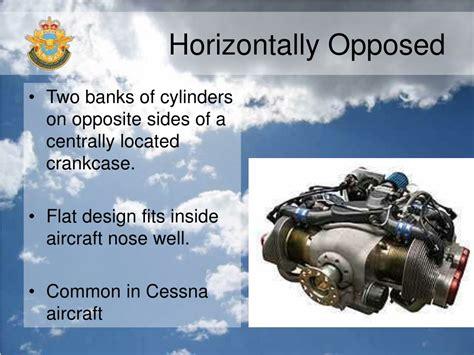
A horizontally-opposed engine, often referred to as a boxer engine, features cylinders laid out in two banks directly opposite each other, positioned horizontally on either side of the crankshaft. The term “boxer” comes from the motion of the pistons, which move in and out in opposition, resembling two fists punching towards and away from each other.
In aviation, this engine configuration has become a staple for light aircraft, with manufacturers like Lycoming, Continental, and Rotax leading the market in producing these reliable powerplants. The design has been favored for decades by pilots and aircraft engineers who prioritize efficiency, durability, and smooth operation.
Aerodynamic Advantages of Boxer Engines
One of the primary reasons smaller planes utilize boxer engines lies in their aerodynamic profile. The low and flat arrangement allows the engine to sit closer to the airframe’s center of gravity, which directly impacts the plane’s stability and handling.
Unlike taller inline or radial engines, the boxer engine’s horizontal configuration reduces the frontal area of the aircraft, contributing to lower drag and improved aerodynamic performance. With less drag, smaller planes can achieve better fuel efficiency—a crucial consideration for general aviation, where operational costs are often tightly managed.
Furthermore, the balanced layout reduces yaw and roll tendencies that might otherwise arise from engine placement asymmetry. For pilots, this translates to more predictable handling characteristics, making the aircraft easier to fly, especially in varying weather conditions or during critical phases like takeoff and landing.
Smooth Operation and Reduced Vibration
A standout feature of horizontally-opposed engines is their inherent mechanical balance. As pistons on opposite sides move in direct opposition, their forces cancel each other out, resulting in minimal engine vibration. In an aviation environment where mechanical smoothness correlates directly with structural longevity and passenger comfort, this characteristic is invaluable.
Reduced vibration means less wear on engine mounts, propeller assemblies, and critical airframe components. For pilots, passengers, and maintenance crews, this adds up to a more comfortable flight experience and extended maintenance intervals. In turn, this lowers long-term operating costs, a significant factor for flight schools, private owners, and charter operators.
Weight Considerations in Aircraft Performance
In aviation, weight is a relentless adversary. Every additional pound can influence fuel consumption, range, payload capacity, and overall flight efficiency. Boxer engines address this challenge with their relatively lightweight construction.
Compared to radial or vertically-stacked inline engines, horizontally-opposed engines often utilize fewer heavy structural supports due to their flat design. This enables aircraft designers to keep the overall center of gravity optimized while minimizing structural reinforcements, resulting in lighter airframes.
Additionally, the compact profile of boxer engines aids in streamlining engine integration, which further enhances aircraft performance metrics such as climb rate, stall speed, and maneuverability—all critical elements for light sport aircraft, trainers, and small utility planes.
Cooling Efficiency and Operational Reliability
The horizontally-opposed design also significantly improves cooling efficiency, which is vital for engine longevity and consistent performance, particularly during extended flights or in hot climates.
Because the cylinders are spread out laterally, airflow can circulate more evenly around them, promoting effective air cooling in models that don’t rely on liquid-cooled systems. In engines where oil and coolant are circulated, the flat configuration prevents fluid pooling at the bottom, ensuring consistent lubrication and thermal regulation throughout the engine block.
This reduces the risk of hotspots or oil starvation, common culprits in engine failure scenarios. As such, boxer engines are prized for their dependable operation, making them a go-to choice for aircraft where safety, simplicity, and reliability are paramount.
Disadvantages and Design Limitations
Despite their many advantages, boxer engines are not without drawbacks, which explains why they are predominantly found in smaller aircraft rather than large, commercial jets or high-performance military planes.
First, power output limitations restrict their use to aircraft where modest thrust and horsepower are acceptable. Larger aircraft often require the muscle of turboprop or jet engines that can deliver significantly greater power-to-weight ratios, which boxer engines, by design, cannot match.
Secondly, the horizontally-opposed configuration necessitates two cylinder heads, doubling the complexity of the valvetrain and cooling systems compared to simpler inline engines. This complexity introduces additional points of potential failure and complicates both manufacturing and maintenance.
The wider profile of boxer engines can also create packaging challenges. Aircraft designs with narrow fuselages or specific aerodynamic constraints may find it difficult to integrate such engines without significant structural modifications.
Why They Remain a Staple for Small Aircraft
Despite these limitations, boxer engines maintain their popularity in the light aircraft segment due to an optimal balance of performance, simplicity, and reliability. Manufacturers and pilots prioritize characteristics such as low vibration, efficient cooling, predictable handling, and reasonable maintenance schedules—all areas where horizontally-opposed engines excel.
Brands like Piper, Cessna, and Diamond Aircraft have equipped their popular training, touring, and utility aircraft with boxer engines for decades. Their continued success in the market underscores the lasting value of this engineering choice.
Furthermore, technological advancements in materials, precision machining, and electronic engine management have helped mitigate some of the traditional disadvantages associated with boxer engines, enhancing their durability and performance envelope.

The Boxer Engine’s Future in Aviation
As the aviation industry explores sustainable propulsion systems, including electric and hybrid-electric powertrains, the era of gasoline-powered boxer engines may eventually evolve. However, for the foreseeable future, the horizontally-opposed engine remains a cornerstone of light aircraft propulsion, especially in roles where simplicity, ruggedness, and cost-effectiveness are essential.
Additionally, emerging markets for affordable personal aircraft, flying clubs, and air taxis may continue to rely on proven boxer engine platforms as the foundation for their fleets, providing an economical bridge between traditional and next-generation technologies.
In conclusion, the horizontally-opposed ‘boxer’ engine exemplifies how thoughtful engineering can produce a reliable, efficient, and pilot-friendly powerplant. While its role may remain limited to smaller aircraft, its contribution to safe, accessible aviation remains as vital today as ever.