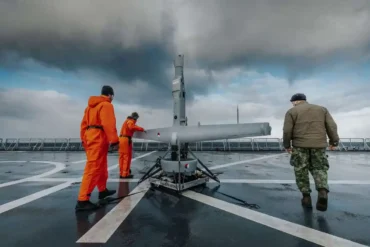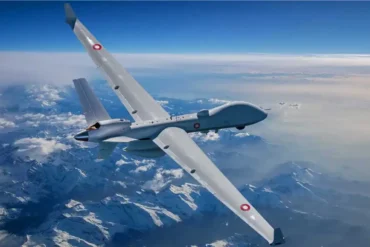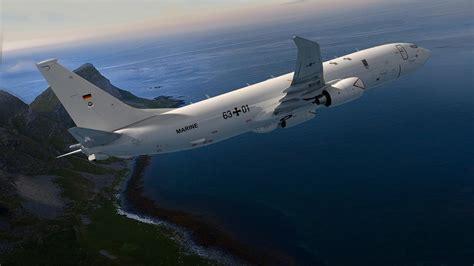
Denmark has officially confirmed the acquisition of two Boeing P-8A Poseidon maritime patrol aircraft while simultaneously joining a multinational NATO initiative to procure up to five Northrop Grumman MQ-4C Triton high-altitude surveillance drones. Announced during the NATO Summit Defense Industry Forum in Ankara, the twin procurement marks one of the alliance’s most significant investments in maritime intelligence, surveillance, and reconnaissance capabilities in recent years. The coordinated purchase reflects NATO’s growing emphasis on protecting critical sea lines of communication, strengthening deterrence in the Arctic and High North, and creating a far more interconnected surveillance network capable of responding to increasingly sophisticated maritime threats.
The decision highlights a broader transformation of NATO’s maritime strategy. Rather than relying on individual national fleets operating independently, member states are investing in interoperable aircraft designed to share intelligence instantly across the alliance. By combining persistent unmanned surveillance with long-range crewed maritime patrol aircraft, NATO is building an ISR architecture capable of detecting, tracking, and responding to naval activity across enormous stretches of ocean.
Denmark’s purchase also represents a substantial modernization of its own defense capabilities. The Royal Danish Armed Forces are responsible for monitoring vast maritime territories extending from the North Sea to Greenland and the Arctic, areas that have become strategically important as military activity and commercial shipping continue to increase. According to Denmark’s Chief of Defence, Michael Hyldgaard, the acquisition strengthens the country’s ability to conduct interception and surveillance missions over extremely long distances while improving protection across every part of the Danish Kingdom.
NATO Builds a New Maritime Surveillance Network
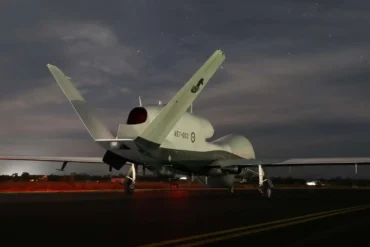
The multinational Triton initiative brings together Denmark, Finland, Germany, and Norway, all of which will contribute aircraft to a joint intelligence, surveillance, and reconnaissance force. The drones will operate from Sigonella Air Base in Italy, already an important NATO aviation hub that regularly hosts United States Navy deployments of both Triton and Poseidon aircraft. Concentrating operations at Sigonella allows participating nations to share maintenance infrastructure, training resources, operational planning, and intelligence analysis while improving readiness across the alliance.
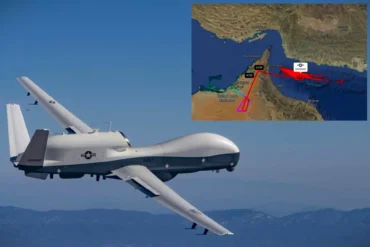
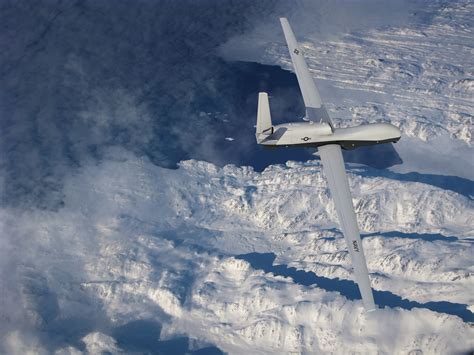
Unlike traditional surveillance aircraft, the MQ-4C Triton is engineered for exceptionally long endurance. Derived from the Global Hawk platform, it can remain airborne for approximately 24 hours while cruising at altitudes approaching 50,000 feet, enabling its advanced sensors to monitor vast maritime regions during a single mission. This persistent surveillance capability provides NATO commanders with early warning of unusual naval movements, suspicious shipping activity, or emerging threats before they approach allied territory.
Boeing P-8 Poseidon Strengthens NATO’s Maritime Patrol Capability
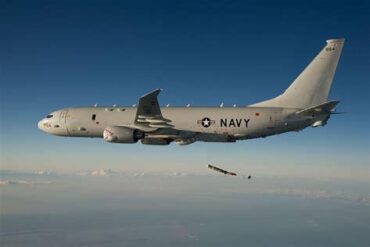
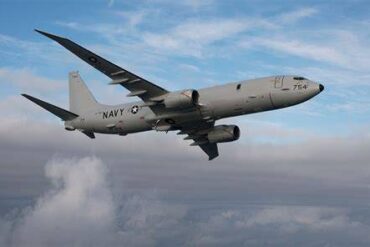
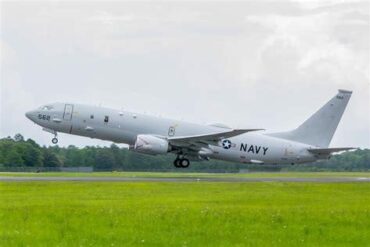
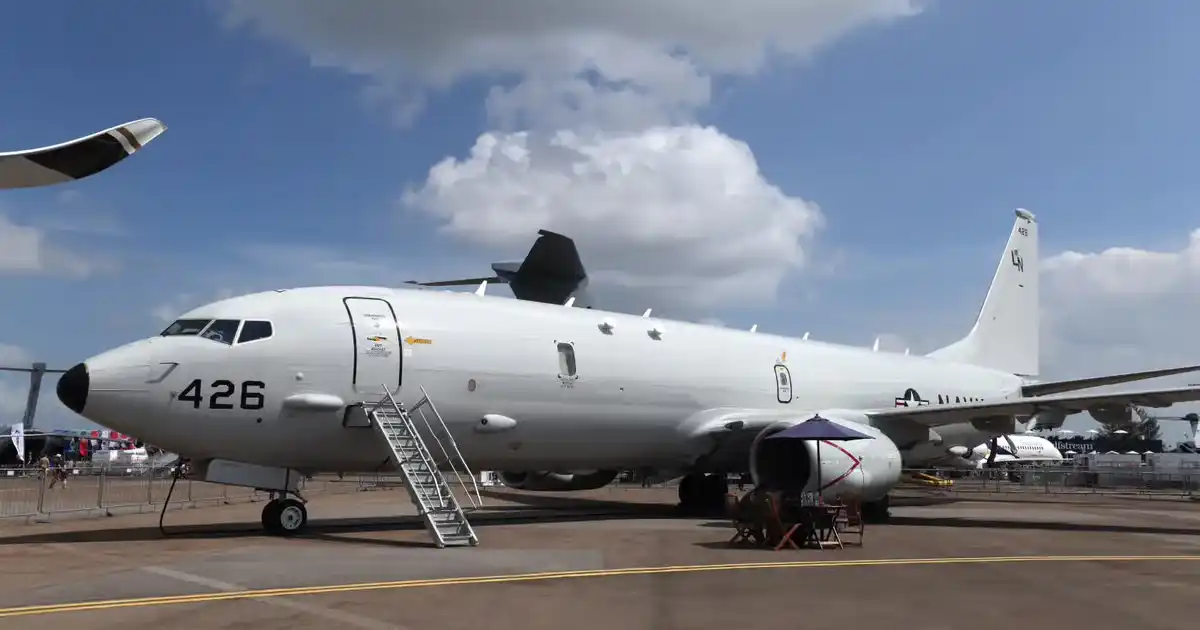
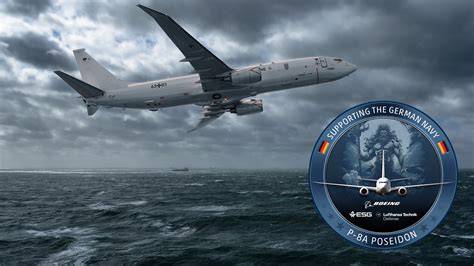
While the Triton provides continuous wide-area surveillance, the Boeing P-8A Poseidon serves as the alliance’s primary crewed maritime patrol aircraft capable of investigating contacts, conducting anti-submarine warfare, and supporting strike missions when required. Based on the reliable Boeing 737-800 airframe, the Poseidon integrates sophisticated mission systems including advanced radar, electronic support measures, electro-optical and infrared sensors, and secure Link-16 networking that allows real-time coordination with allied aircraft, ships, and command centers.
The aircraft’s versatility extends well beyond surveillance. An internal weapons bay and external hardpoints allow the Poseidon to deploy torpedoes, anti-ship missiles, and sea mines, transforming it from an intelligence platform into a fully capable maritime combat aircraft. This combination of detection and engagement capability makes the P-8 one of the world’s most effective maritime patrol platforms and explains why several NATO members, including the United States, Germany, Norway, and the United Kingdom, already operate the aircraft.
Interoperability Drives NATO Modernization
One of the most important aspects of the procurement is interoperability. Both the Triton and Poseidon were originally developed under the United States Navy’s maritime patrol modernization program to replace aging P-3C Orion and EP-3E Aries aircraft. From their earliest design stages, the two platforms were intended to complement one another by sharing sensor information and creating a comprehensive operational picture across enormous maritime areas.
The Triton’s active electronically scanned array radar excels at detecting ships across vast distances, while the Poseidon’s inverse synthetic aperture radar delivers detailed tracking and identification capabilities. Combined with electro-optical cameras, infrared imaging systems, electronic intelligence sensors, and secure digital communications, the two aircraft effectively become components of NATO’s expanding “kill web,” where information collected by one platform is immediately available to every connected force.
Industrial cooperation also plays a major role. Production and support will involve collaboration between Northrop Grumman, Airbus Defence and Space, Boeing, and multiple European aerospace suppliers. Denmark had already laid important groundwork through earlier Foreign Military Sales approval from the United States and a support agreement between Danish aerospace company Terma and Boeing covering maintenance and long-term sustainment.
The High Cost Behind Advanced Maritime Security
These capabilities come with significant investment. The MQ-4C Triton ranks among the world’s most expensive uncrewed aircraft, with individual airframes valued at approximately $200 million or more before additional support, logistics, and infrastructure costs are included. Procuring five aircraft therefore represents an investment measured in well over $1 billion once complete program expenses are considered.
The P-8A Poseidon is expected to require an even larger overall investment because of its size, sophisticated onboard systems, weapons integration, and comprehensive sustainment packages delivered under Foreign Military Sales agreements. Recent international approvals illustrate the scale of these programs, with Singapore’s package for four Poseidons valued at approximately $2.3 billion, or roughly $575 million per aircraft when training, spare parts, support equipment, and long-term logistics are included.
Denmark’s decision therefore represents far more than the purchase of new aircraft. Together with NATO’s multinational Triton fleet, the Poseidon acquisition creates a powerful surveillance partnership that significantly strengthens maritime awareness across Europe. As geopolitical competition increasingly shifts toward the Arctic, North Atlantic, and strategically vital sea lanes, these complementary aircraft will become central pillars of NATO’s ability to detect, monitor, and, if necessary, respond rapidly to emerging maritime threats.