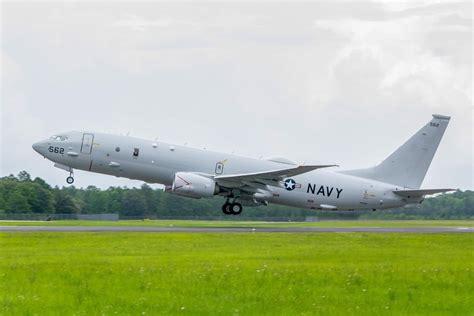
The retirement of Singapore’s Fokker 50 Enforcer II is more than a fleet update; it is a clean break from a turboprop past into a jet-powered future shaped by speed, reach, and data dominance. With the decision to acquire Boeing’s P-8A Poseidon, the Royal Singapore Air Force commits to a platform designed for the realities of modern maritime competition, where detection, response time, and coalition interoperability matter as much as raw endurance.
For more than three decades, 121 Squadron operated the Enforcer II from Changi Airbase, a dependable workhorse adapted from a Dutch regional airliner. Its mission profile—coastal surveillance, maritime patrol, and limited anti-submarine duties—fit Singapore’s needs in a different era. Today’s operating environment is denser, faster, and electronically contested, pushing the island nation to invest in a platform that can see farther, fly higher, and strike with greater precision.
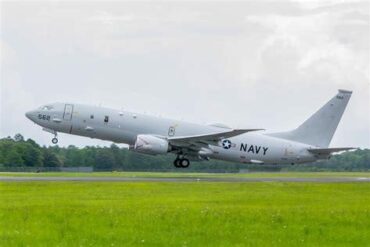
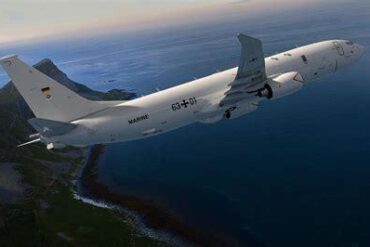
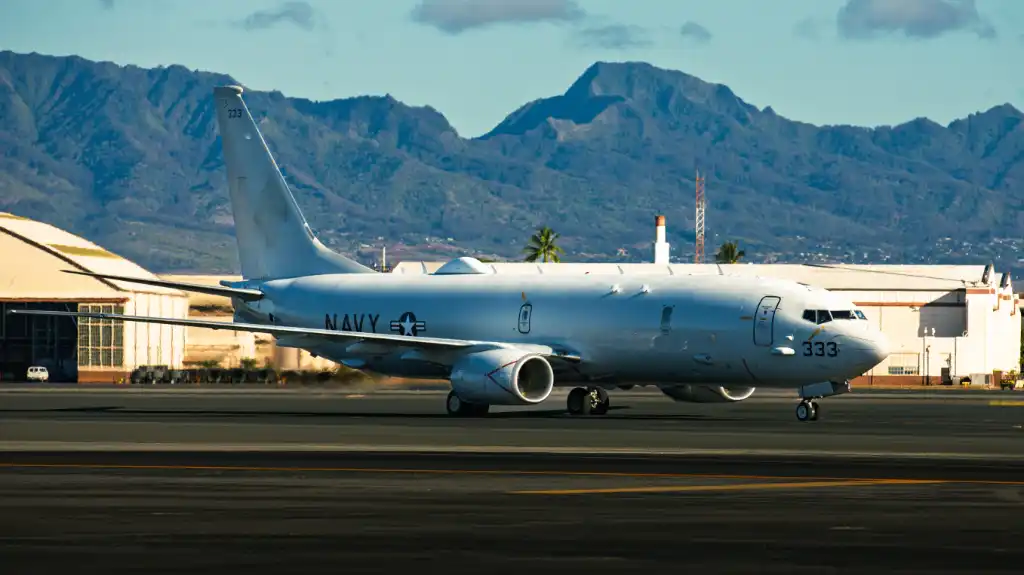
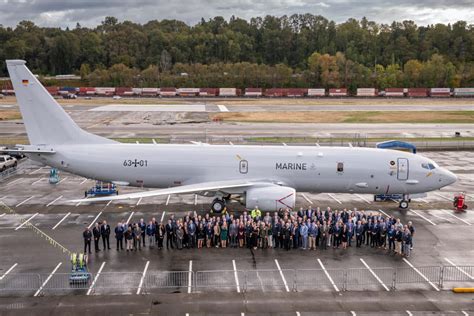
The US Department of Defense authorization for four P-8A Poseidons, valued at roughly $2.3 billion including training, weapons, and support, marks a generational leap. The Poseidon is built on the proven 737 Next Generation airframe, pairing commercial reliability with military-grade sensors and survivability. It also places Singapore firmly within a growing club of P-8 operators, including the United States and several close allies, reinforcing shared tactics and data links across the Indo-Pacific.
A Strategic Leap In Maritime Security
Singapore’s geography demands constant vigilance. Sitting astride some of the world’s busiest sea lanes, the nation relies on uninterrupted maritime awareness to safeguard trade, energy flows, and territorial integrity. The P-8A dramatically expands this awareness envelope. Where the Fokker’s effective range hovered around 1,000 miles, the Poseidon can reach more than four times that distance, with aerial refueling extending missions even further. Speed nearly doubles, allowing rapid response across vast ocean areas that once required careful sortie planning.
Altitude is another quiet advantage. Operating at heights exceeding 40,000 feet, the P-8A gains a broader sensor horizon and improved survivability, while its turbofan engines deliver the electrical power needed to run advanced avionics continuously. For 121 Squadron, this means fewer aircraft can cover more sea, for longer, with richer data flowing back to command centers and naval units.
Sensors That Redefine Awareness
The Enforcer II’s Raytheon search radar and FLIR once represented cutting-edge maritime surveillance. The P-8A moves that benchmark forward by decades. At its core is the Raytheon AN/APY-10 multi-mission radar, capable of tracking surface contacts, periscopes, and low-flying aircraft while mapping coastlines in fine detail. Coupled with advanced electro-optical and infrared systems, the aircraft can classify targets day or night, in complex sea states.
Electronic warfare and self-protection suites further separate the Poseidon from its predecessor. Systems such as the ALQ-213 early warning manager, missile warning sensors, laser-based countermeasures, and the AN/ALE-47 dispenser form a layered defense against modern threats. These tools are not just defensive; they allow the aircraft to operate confidently in contested environments, gathering intelligence while minimizing risk.
Interoperability As A Force Multiplier
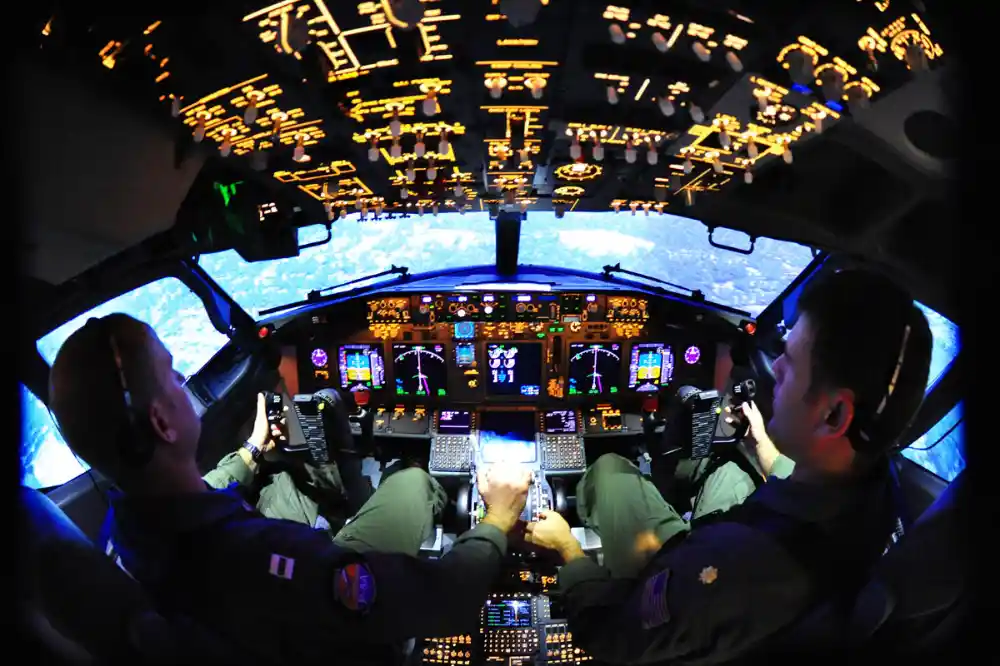
One of the most consequential aspects of Singapore’s P-8A acquisition is what cannot be seen on the tarmac. The aircraft is designed to plug seamlessly into allied networks, sharing sensor data with naval vessels, submarines, and other aircraft in near real time. This interoperability aligns closely with Singapore’s defense philosophy, which emphasizes partnerships and collective security.
The Defense Security Cooperation Agency underscored this point, noting Singapore’s ability to absorb the platform smoothly while improving coordination with US and allied forces. In practical terms, this means joint exercises translate into real-world readiness, with common procedures and compatible systems reducing friction when it matters most.
From Patrol To Precision Strike
The Poseidon’s offensive potential marks another departure from the Fokker era. While the Enforcer II carried limited ordnance, including anti-ship missiles and lightweight torpedoes, the P-8A offers a far deeper arsenal. An internal weapons bay and multiple external hardpoints allow it to deploy Mark 54 torpedoes, Harpoon and SLAM-ER missiles, long-range anti-ship weapons, mines, and depth charges. High-altitude anti-submarine warfare capabilities further expand tactical options, enabling attacks from positions of relative safety.
This versatility transforms the aircraft from a patrol asset into a multi-role platform capable of surveillance, targeting, and strike within a single sortie. For Singapore, it means maritime threats can be detected, tracked, and engaged by the same aircraft, compressing decision cycles and enhancing deterrence.
Closing The Fokker Chapter
The farewell to the Fokker 50 Enforcer II is tinged with respect. It served reliably from 1993, anchoring Singapore’s maritime patrol capability through decades of change. Yet defense planning is about anticipating the next challenge, not honoring the last one. By going all-in on the P-8A Poseidon, Singapore signals confidence in a future defined by long-range awareness, rapid response, and seamless cooperation with trusted partners.
The Poseidon is not just a new aircraft; it is a statement of intent. In choosing it, Singapore ensures that its eyes in the sky remain sharper, faster, and more connected than ever, securing the sea lanes that underpin the nation’s prosperity in an increasingly complex maritime theater.