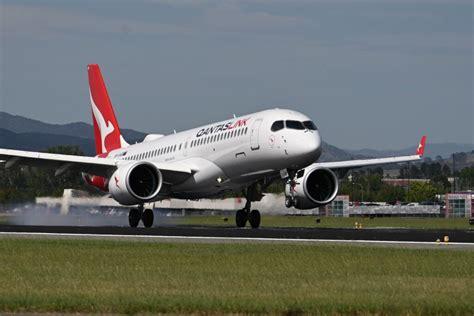
QantasLink, the regional arm of Australia’s flag carrier, is embarking on one of its most significant fleet modernization efforts in decades. As part of this sweeping transformation, the airline will retire its aging Fokker 100 aircraft and introduce 14 Embraer E190s along with four Airbus A320s into its operations under Network Aviation. This strategic upgrade promises not only enhanced passenger experience but also better operational efficiency and alignment with Qantas’ broader sustainability and modernization goals.
Network Aviation’s Pivotal Role in the Transition
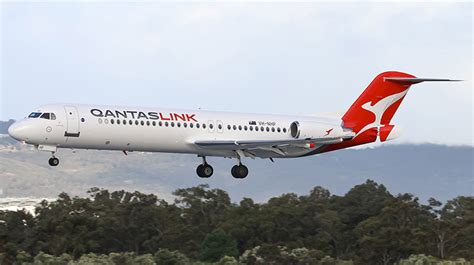
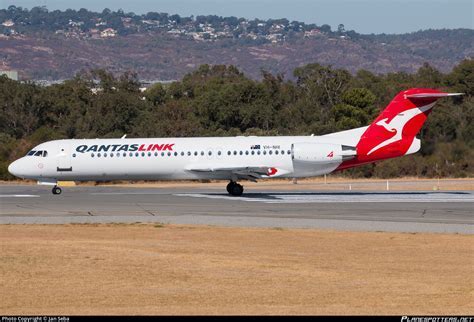
Network Aviation, a Perth-based subsidiary of QantasLink, has long operated an unusually large contingent of Fokker 100s—15 in total, accounting for nearly a quarter of the aircraft’s remaining global fleet. With an average age of 32 years, these aircraft have delivered remarkable service longevity. However, their age, increasing maintenance costs, and declining efficiency have prompted Qantas to push forward with their retirement.
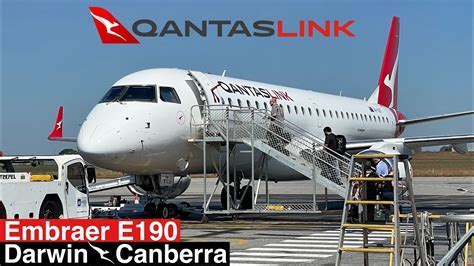
The decision to introduce second-hand Embraer E190s, expected to begin arriving in late 2026, represents a calculated shift in QantasLink’s strategy. Unlike the outgoing Fokkers, these E190s—though not factory-new—are mid-life aircraft with an estimated 10 to 15 years of operational service remaining, giving Qantas the flexibility to modernize without the high capital outlay associated with brand-new deliveries.
Why the Embraer E190? A Cabin and Capability Upgrade
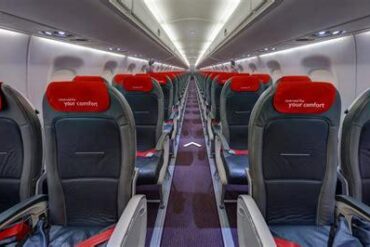
The Embraer E190 was chosen for its balance of performance, passenger comfort, and operating economics—especially for regional routes in Western Australia where Network Aviation is concentrated. The aircraft is widely regarded for its spacious cabin layout, configured in a 2-2 seating arrangement, completely eliminating the dreaded middle seat. In contrast, the Fokker 100 featured a 3-2 layout, resulting in a denser, less comfortable seating configuration.
Though the final layout for Network Aviation’s E190s has yet to be confirmed, it is likely they will mirror the configuration of Alliance Airlines’ wet-leased E190s, which include both economy and business-class cabins. This marks a significant upgrade from the all-economy layout of the Fokker 100s, potentially catering better to corporate and higher-yielding travelers in mining and energy sectors.
Additionally, passengers will benefit from the larger windows and quieter cabin that the Embraer jets are known for, delivering a more pleasant onboard experience. Importantly, these aircraft also provide operational flexibility due to their range and fuel efficiency, enabling QantasLink to consider new regional routes or improve frequency on underserved sectors.
Farewell to a Workhorse: The End of the Fokker Era
The Fokker 100, developed in the 1980s by the now-defunct Dutch aircraft manufacturer Fokker, has enjoyed a unique legacy within Australia’s skies. Though only 283 units were ever produced, the aircraft became a reliable workhorse for QantasLink, especially in the rugged and remote Western Australian environment.
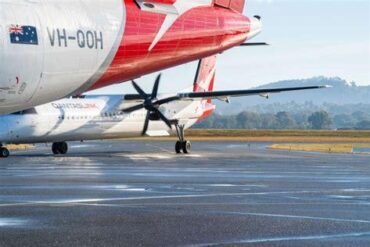
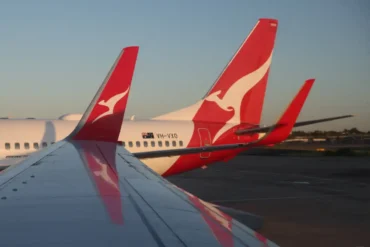
Many of these aircraft, including VH-NHO, which is now 35 years old, have endured a grueling operating schedule in one of the world’s harshest climates. Despite its solid safety record and robust airframe, the Fokker 100 has become technologically and economically obsolete. Spare parts are increasingly scarce, and the aircraft’s fuel burn far exceeds that of newer regional jets.
QantasLink’s decision to phase out these aircraft marks the end of an era for both the airline and Australia’s regional aviation landscape. Enthusiasts may mourn the loss of the Fokker 100’s distinctive profile and nostalgic charm, but from an operational standpoint, its retirement is long overdue.
Integration of Airbus A320s: Expanding Fleet Versatility
Alongside the Embraer E190s, QantasLink will also introduce four Airbus A320s into the Network Aviation fleet in 2025. These aircraft are intended to offer additional capacity for high-demand routes, particularly those connected to the resources sector. Network Aviation already operates A320s, making their continued integration relatively seamless from a pilot training and maintenance standpoint.
These A320s will replace four of the 15 Fokker 100s, while the remaining 11 will be succeeded by the E190s. With 18 newer-generation aircraft replacing 15 aging jets, QantasLink will slightly expand its operational capacity without adding significant fleet complexity. This approach reflects Qantas’ renewed commitment to rationalizing its regional operations around a more modern and manageable set of aircraft types.
QantasLink’s Broader Fleet Modernization Strategy
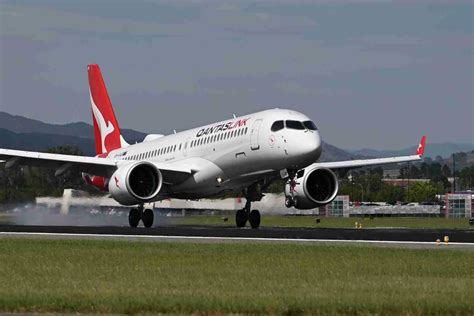
This transition is only one component of a larger fleet renewal plan underway at Qantas Group. In December 2023, QantasLink began receiving Airbus A220-300s, with 29 units on order to serve as the primary replacement for the retired Boeing 717 fleet. These ultra-efficient jets boast cutting-edge avionics and cabin technology and are expected to serve short- to medium-haul routes with improved economics and lower emissions.
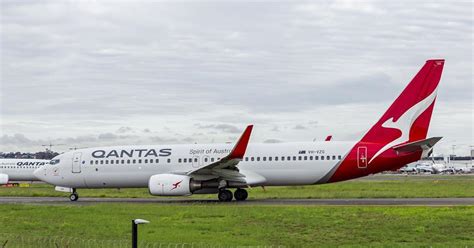
Qantas is also acquiring 28 Airbus A321XLRs, partly to replace its aging Boeing 737-800s, which currently form the backbone of its domestic mainline fleet. The A321XLR’s extended range and larger cargo hold make it an ideal candidate for high-density domestic routes as well as regional international sectors across the Asia-Pacific region.
On the widebody front, Qantas has made definitive moves to future-proof its long-haul operations. The airline is replacing its Airbus A330-200s with a mix of Boeing 787-9s and 787-10s, while the A330-300s will be succeeded by 12 Airbus A350-1000s. These orders are separate from the Project Sunrise subfleet, which will operate ultra-long-haul routes like Sydney to London and New York nonstop.
Secondhand Market Strategy: Cost-Conscious Modernization
One of the key pillars of Qantas’ fleet strategy is its selective use of secondhand aircraft. Outside of the A220s and A321XLRs, the bulk of its new aircraft—including the Embraer E190s and A320s—are pre-owned jets sourced from the global market. This approach reflects both cost prudence and supply chain agility, allowing Qantas to avoid the long lead times and high acquisition costs that come with brand-new deliveries.
This strategy also allows the airline to modernize incrementally, balancing operational upgrades with financial sustainability. Given current delivery delays and high demand in the commercial aircraft market, secondhand acquisitions have become a strategic lifeline for airlines aiming to refresh their fleets in the short term.
Conclusion: A Strategic Leap Toward a More Efficient Future
QantasLink’s decision to replace the venerable Fokker 100s with Embraer E190s and Airbus A320s signals a bold and overdue step toward operational rejuvenation. These newer aircraft offer more comfortable cabins, greater fuel efficiency, and better alignment with the demands of modern regional aviation. Beyond the technical advantages, this transition speaks volumes about Qantas’ broader goal to streamline, simplify, and modernize its operations in a cost-effective manner.
As aviation continues its post-pandemic evolution, QantasLink’s fleet overhaul ensures it remains competitive in Australia’s demanding regional travel landscape, serving communities across vast distances with greater comfort, efficiency, and sustainability.