Australia’s national carrier is undertaking one of the most ambitious fleet modernization programs in commercial aviation history. Valued at approximately A$128 billion over its lifespan, the transformation extends far beyond replacing aging aircraft. Qantas is redesigning its entire operational model, introducing new technologies, unlocking unprecedented route opportunities, and positioning itself to remain one of the world’s most competitive long-haul airlines well into the 2040s.
Driven by four interconnected projects, the strategy touches every segment of the network—from regional Australian communities and domestic trunk routes to ultra-long-haul international operations. The scale of investment rivals that of major global airlines and represents one of the largest commitments ever made by an Australian corporation.
Rather than pursuing incremental upgrades, Qantas is rebuilding the airline around next-generation aircraft capable of flying farther, consuming less fuel, generating stronger premium revenues, and meeting increasingly strict environmental requirements. The outcome will reshape not only the carrier itself but also Australia’s connectivity with the rest of the world.
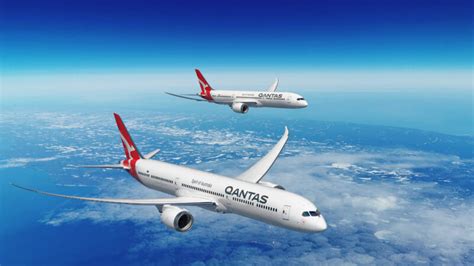
The Four Projects Driving Qantas’ Historic Transformation
Understanding the scope of the renewal requires separating its four major pillars. Each project addresses a different weakness or opportunity within the airline’s existing fleet structure.
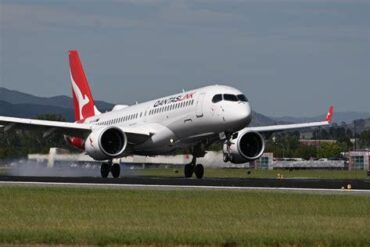
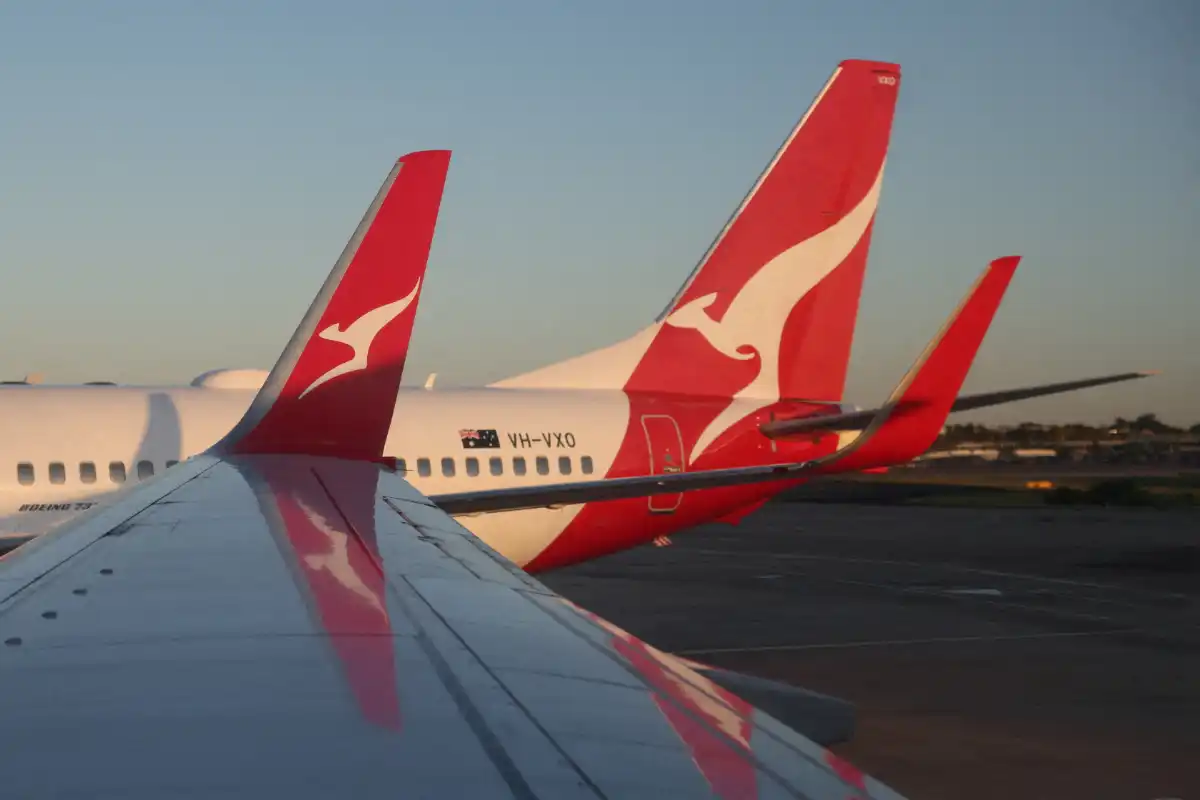
Project Winton targets domestic and short-haul international operations. It introduces 48 Airbus A321XLRs and 29 Airbus A220-300s to replace Boeing 737-800s and aging Boeing 717 aircraft. These new narrowbody jets will eventually become the backbone of Qantas’ domestic network.
Project Sunrise represents the airline’s most revolutionary undertaking. Twelve specially modified Airbus A350-1000ULRs are being developed to operate nonstop services from Sydney and Melbourne directly to London and New York—routes previously considered commercially impossible.
Project Fysh focuses on medium- and long-haul international services. The project includes 12 standard Airbus A350-1000s and 12 Boeing 787-10 Dreamliners that will progressively replace Airbus A330s and later facilitate the retirement of the Airbus A380 fleet.
The fourth project remains unnamed but has already attracted industry attention. Reports indicate Qantas is evaluating the purchase of up to twenty additional widebody aircraft, with Airbus and Boeing competing to supply the next generation of long-haul capacity.
Together, these programs form a carefully balanced strategy intended to modernize every aspect of the airline simultaneously.
The financial resources behind this effort are equally significant. Strong profitability has enabled Qantas to invest billions annually while maintaining healthy cash flows. Group performance during fiscal year 2026 demonstrated that earnings and fleet investments are advancing together rather than competing for capital.
The result is not merely fleet replacement. It is the construction of an entirely new airline.
Why Fuel Efficiency Is Central To The Economics
Fuel efficiency sits at the heart of the business case behind the renewal.
Aircraft entering service today are fundamentally different from the jets they replace. Advances in aerodynamics, lightweight composite structures, and next-generation engines allow reductions in fuel consumption ranging from 20% to 30% per seat.
These improvements translate directly into lower operating costs and higher profitability.
Older Boeing 737-800s, Airbus A330s, Boeing 717s, and Airbus A380s were designed during periods when fuel economics and environmental expectations differed significantly. Modern aircraft enable airlines to operate longer sectors with fewer emissions and improved margins.
Lower fuel burn also provides greater resilience against volatile oil prices, a factor that has historically had enormous influence over airline profitability.
At the same time, environmental considerations are becoming increasingly important. Corporate customers now pay closer attention to carbon footprints, and international regulations continue evolving through CORSIA requirements and sustainability targets.
Qantas has committed to introducing sustainable aviation fuel blends and secured access to large quantities of SAF beginning later this decade. Combined with efficient aircraft, these initiatives support both economic and environmental objectives.
The fleet renewal therefore represents not simply an operational upgrade but a strategic necessity.
Project Sunrise And The Birth Of Ultra-Long-Haul Aviation
Project Sunrise has captured global attention because it pushes the boundaries of commercial aviation.
The aircraft chosen for the mission is a heavily modified Airbus A350-1000ULR. Unlike standard variants, these aircraft feature an additional 20,000-liter rear center fuel tank, enabling ranges sufficient to sustain flights lasting up to 22 hours.
That capability makes nonstop routes between Sydney and London or Sydney and New York possible for the first time.
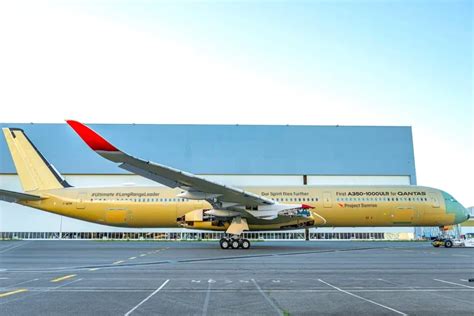
The distances involved are extraordinary. Sydney to London spans more than 17,000 kilometers, while Sydney to New York crosses the Pacific over similarly immense distances.
These sectors eliminate traditional stopovers and fundamentally change how Australians travel internationally.
Passengers who currently endure connections through Singapore, Dubai, Los Angeles, or Hong Kong will eventually reach their destinations in a single continuous journey.
From a competitive perspective, this creates a powerful advantage.
Instead of competing solely on price, Qantas can compete on convenience, time savings, and premium service.
Such routes are particularly attractive to corporate travelers willing to pay substantial premiums for direct access.
Designing A Cabin For Twenty-Hour Flights
Flying continuously for twenty hours presents unique physiological and operational challenges.
Qantas worked closely with the University of Sydney’s Charles Perkins Centre to create a cabin specifically optimized for passenger wellbeing.
The aircraft will feature one of the lowest-density configurations ever installed on an Airbus A350. More than 40 percent of seating capacity will be allocated to premium cabins.
First-class suites, business-class beds, premium economy seats, and economy sections have all been designed with comfort as a priority.
A dedicated Wellbeing Zone represents one of the most innovative aspects of the cabin. This area allows passengers to stretch, move around, and refresh themselves during exceptionally long journeys.
Lighting systems, meal timing, and cabin environments have also been engineered to reduce jet lag and improve sleep patterns.
The philosophy recognizes that ultra-long-haul passengers prioritize comfort as much as speed.
Profitability depends upon attracting premium customers, and the interior reflects that reality.
Airbus Delays And The Challenges Facing Project Sunrise
Despite the excitement surrounding Project Sunrise, the road to implementation has been far from straightforward.
Supply chain disruptions continue affecting aircraft manufacturers worldwide. Certification requirements for the specialized fuel system have added further complexity.
The first aircraft delivery, initially targeted for earlier dates, has shifted several times and is currently expected in 2027.
Such delays carry financial consequences.
Every postponed delivery means older aircraft remain in service longer than planned. Maintenance expenses continue accumulating while anticipated revenues from premium nonstop routes remain unrealized.
Yet Qantas has maintained confidence in the project.
Pilot training programs are already underway, simulator infrastructure has been established, and route planning is progressing rapidly.
Management expects deliveries after the first aircraft to occur in relatively quick succession, allowing commercial operations to commence soon afterward.
Although timelines have moved, the long-term strategic vision remains unchanged.
Project Winton Is Quietly Transforming Domestic Australia
While Project Sunrise receives headlines, Project Winton may prove equally significant.
Its impact will be felt by millions of passengers inside Australia.
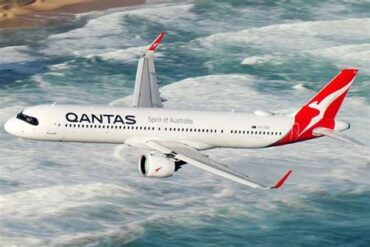
The Airbus A321XLR entered Qantas service as the first example of its type operating in the Asia-Pacific region. With a range exceeding 8,700 kilometers, the aircraft dramatically expands possibilities across domestic and short-haul international networks.
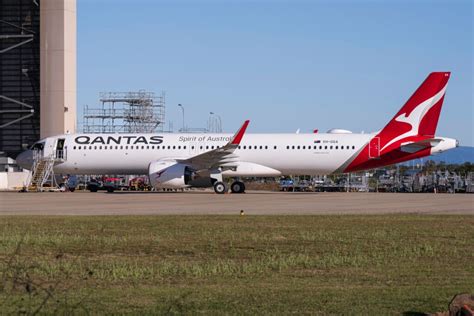
The A321XLR offers higher capacity, lower fuel burn, and substantially greater range than the Boeing 737-800.
This allows routes previously requiring larger aircraft or technical stops to be served more efficiently.
Direct connections to Darwin, Broome, and parts of Southeast Asia become commercially attractive.
Future variants equipped with lie-flat business seats will enhance premium experiences on transcontinental services between eastern Australia and Perth.
Passengers will enjoy improved cabins, quieter interiors, larger overhead bins, and more modern technology.
Behind the scenes, economics improve considerably.
The aircraft delivers significant reductions in fuel consumption while increasing flexibility across the network.
For Qantas, Project Winton is as much about profitability as passenger comfort.
The Airbus A220 And Regional Australia
Regional aviation often receives less attention, but it remains vital to Australia’s connectivity.
The Airbus A220-300 has emerged as the ideal replacement for older aircraft serving thinner routes.
Its economics are particularly compelling.
The aircraft combines jet performance with exceptional efficiency, enabling services that were previously marginal or difficult to sustain.
Passengers benefit from larger windows, quieter cabins, wider seats, and improved comfort compared with many regional aircraft currently operating.
For QantasLink, the A220 introduces greater flexibility while supporting economic development across smaller communities.
The aircraft’s performance also allows better allocation of larger jets, maximizing efficiency across the broader network.
Though overshadowed by larger projects, the A220 program contributes substantially to the financial foundations supporting the overall fleet renewal.
Project Fysh And The Post-A330 Era
The next stage of transformation centers on replacing the Airbus A330 fleet.
Project Fysh introduces a combination of Airbus A350-1000s and Boeing 787-10 Dreamliners beginning later this decade.
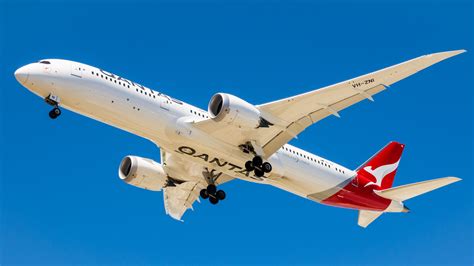
By the time replacements arrive, many Airbus A330s will exceed two decades of service.
Although reliable, they no longer represent optimal economics compared with modern aircraft.
The A350-1000 provides exceptional range and premium cabin opportunities. Its spacious interior supports high-yield configurations and future network expansion.
Meanwhile, the Boeing 787-10 offers higher capacity and outstanding efficiency for routes that do not require extreme range.
Maintaining commonality with existing 787-9 operations simplifies maintenance and pilot training.
Together, the two aircraft families provide flexibility across a wide range of international missions.
Qantas effectively gains a toolkit capable of matching capacity and range with individual route requirements.
That flexibility strengthens profitability and network resilience.
The Future Of The Airbus A380
Few aircraft symbolize long-haul travel more than the Airbus A380.
Qantas currently operates nine superjumbos, and they continue to perform strongly on major routes.
Yet their long-term future remains uncertain.
The oldest aircraft are approaching two decades in service. Although passenger appeal remains high, operating economics increasingly favor smaller and more efficient twins.
This reality is shaping internal discussions about the eventual retirement of the fleet.
Additional Airbus A350s or Boeing 787s could gradually assume roles currently occupied by the A380.
Rather than relying on massive capacity concentrated on a few routes, Qantas may adopt more flexible schedules with greater frequencies.
Such a shift mirrors broader industry trends following the pandemic.
Passengers often prefer multiple departure options, while airlines benefit from improved load factors and reduced risk.
The superjumbo era is not ending immediately, but planning for its successor has clearly begun.
Supply Chain Pressures Remain The Biggest Threat
The greatest obstacle facing the transformation is neither competition nor financing.
It is production capacity.
Manufacturers across the aerospace industry continue struggling with shortages of engines, components, raw materials, and skilled labor.
These bottlenecks affect Airbus and Boeing alike.
Even airlines with strong balance sheets cannot receive aircraft faster than factories can build them.
For Qantas, delays create cascading consequences.
Retirement schedules must be adjusted, maintenance programs extended, and expected efficiency gains postponed.
Financial planning becomes more complicated as capital expenditures shift across years.
Nevertheless, management appears willing to absorb short-term disruptions in pursuit of long-term benefits.
The size of the investment demonstrates confidence that modern aircraft will generate superior returns for decades.
Building The Airline Of 2030 And Beyond
By the end of this decade, Qantas will operate one of the most technologically advanced fleets in the world.
Airbus A220s, A321XLRs, A350-1000ULRs, standard A350-1000s, Boeing 787-9s, and Boeing 787-10s will coexist within a highly integrated network.
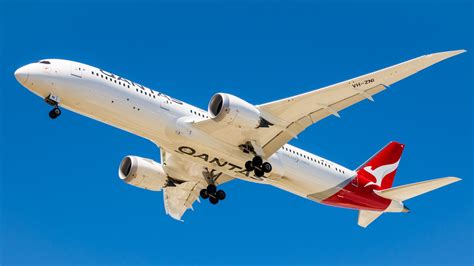
Managing such diversity requires extensive investments in pilot training, engineering capabilities, maintenance systems, and operational procedures.
But the rewards are enormous.
These aircraft can fly farther, consume less fuel, support premium products, and open markets that previous generations simply could not serve economically.
Nonstop connectivity will become increasingly central to Qantas’ identity.
Project Sunrise alone may redefine Australia’s geographic relationship with Europe and North America.
Traditional hub airports could lose some importance as direct services become viable.
For passengers, journeys become faster and more convenient.
For Qantas, network economics improve.
For Australia, global accessibility expands.
The decisions being implemented today will shape the airline well into the 2040s.
More than a century after its founding, Qantas is entering another transformative chapter. The fleet renewal program is not merely replacing aircraft—it is redesigning the future of Australian aviation and establishing the foundation upon which the Flying Kangaroo intends to compete for decades to come.