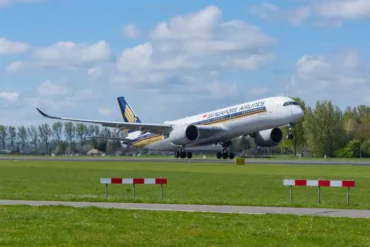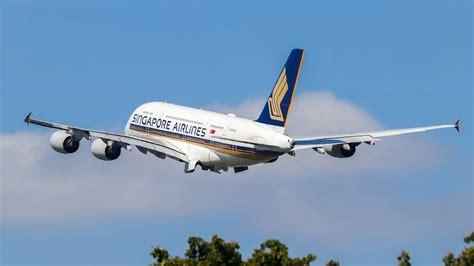
Singapore Airlines is preparing for its largest-ever European operation, signaling a major strategic shift in global long-haul aviation. For the Winter 2026 season, the carrier will operate a record 128 weekly flights to Europe, connecting Singapore with 15 European cities while significantly increasing capacity on several high-demand routes. The expansion highlights the airline’s growing confidence in premium long-haul travel demand and its ambition to strengthen Singapore’s position as one of the world’s most important intercontinental transit hubs.
The growth comes at a time when global airline competition between Europe, Asia, and Australasia is intensifying. While Middle Eastern carriers continue facing operational and geopolitical challenges that have affected some schedules and capacities, Singapore Airlines is aggressively filling the gap with more direct services, expanded frequencies, and strategic partnerships across Europe.
The airline’s Winter 2026 network demonstrates a calculated combination of premium business destinations, high-volume leisure markets, and major Star Alliance hubs. This approach allows Singapore Airlines not only to maximize passenger demand on direct routes, but also to feed traffic deeper into Europe through partner carriers such as Lufthansa, SWISS, Turkish Airlines, Brussels Airlines, and ITA Airways.
By November 2026, Singapore Airlines expects to average approximately 18 daily departures to Europe, an extraordinary milestone for the airline and a clear reflection of growing demand between Southeast Asia, Europe, and Australia.
Singapore Airlines Returns To Madrid After More Than Two Decades
One of the most notable developments in the airline’s European expansion is the long-awaited return to Madrid. Singapore Airlines has not served the Spanish capital since 2004, making the relaunch a symbolic and strategic addition to the network.
The carrier will operate the route through Barcelona, with flights continuing onward to Madrid after arriving in Spain. At the same time, Barcelona flights will become direct from Singapore before extending to the Spanish capital, improving operational flexibility while strengthening the airline’s footprint in Southern Europe.
Spain has experienced strong growth in premium tourism and corporate travel over the past decade, and Singapore Airlines clearly sees an opportunity to capitalize on rising Asia-Europe demand. Madrid also provides broader connectivity opportunities into Latin America through codeshare and alliance partnerships, potentially giving Singapore Airlines additional strategic value beyond Spain itself.
The Winter 2026 schedule includes the following major European destinations:
- London Heathrow – 28 weekly flights
- London Gatwick – 10 weekly flights
- Frankfurt – 14 weekly flights
- Paris Charles de Gaulle – 11 weekly flights
- Munich – 10 weekly flights
- Zurich – 7 weekly flights
- Amsterdam – 7 weekly flights
- Manchester – 7 weekly flights
- Milan – 7 weekly flights
- Copenhagen – 7 weekly flights
- Barcelona/Madrid – 5 weekly flights
- Brussels – 4 weekly flights
- Istanbul – 4 weekly flights
- Rome – 3 weekly flights
Several routes will also receive important frequency increases. Munich gains three additional weekly services, Manchester adds two more flights, and London Gatwick receives a significant boost as Singapore Airlines strengthens its position in the critical UK market.
London Emerges As The Core Of Singapore Airlines’ European Strategy
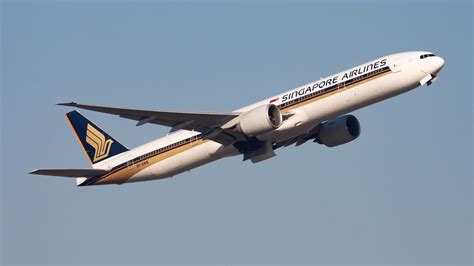
No city illustrates Singapore Airlines’ European ambitions better than London. The airline will soon operate a record 38 weekly flights between Singapore and the British capital, divided between Heathrow and Gatwick airports.
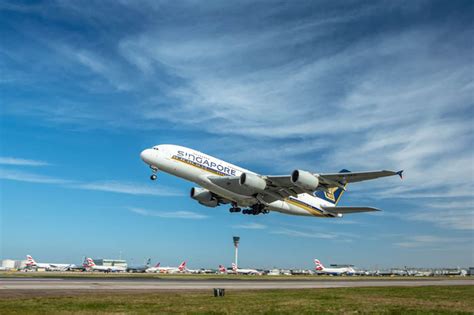
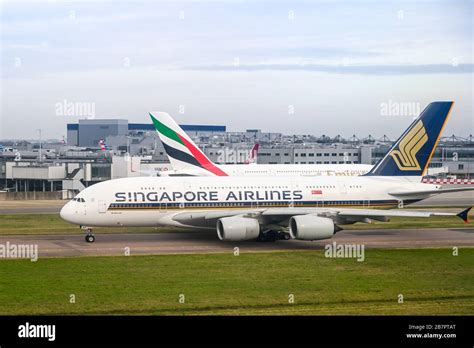
Heathrow remains the crown jewel of the network with four daily flights, including multiple Airbus A380 operations. However, severe slot constraints at Heathrow have pushed Singapore Airlines to increasingly expand at Gatwick instead. The addition of extra Gatwick frequencies allows the carrier to add capacity without facing Heathrow’s highly restrictive slot environment.
The London-Singapore corridor has become one of the most strategically important long-haul markets in the world. Demand remains exceptionally strong across multiple passenger segments, including:
- Premium business travelers
- Luxury leisure tourism
- Australia-Europe transit traffic
- Cargo operations
- Government and diplomatic travel
Singapore Airlines is also benefiting from reduced competitive pressure on some Europe-Asia routes caused by operational disruptions affecting Gulf carriers. Airlines such as Emirates, Etihad Airways, and Qatar Airways have historically dominated connecting traffic between Europe and Asia through their Middle Eastern hubs. However, shifting regional conditions have created opportunities for Singapore Airlines to attract passengers seeking alternative transit options.
The result is a substantial capacity buildup on the Singapore-London market, particularly with high-density aircraft. Singapore Airlines already deploys the Airbus A380 on key Heathrow services, while British Airways and Qantas are also increasing A380 operations on the route.
This means passengers traveling between London and Singapore will soon see up to four daily Airbus A380 flights operating on the corridor, underlining the route’s extraordinary demand profile.
Star Alliance Connectivity Strengthens The European Network
Singapore Airlines’ European growth strategy is not solely based on point-to-point demand. The airline’s network planning strongly revolves around alliance connectivity, especially through Star Alliance partner hubs.
Cities such as Frankfurt, Zurich, Brussels, Istanbul, and Rome provide valuable onward connections across Europe, Africa, and even parts of the Americas. Through Lufthansa Group airlines and other Star Alliance members, Singapore Airlines can offer passengers access to dozens of secondary European destinations without operating costly direct flights itself.
Frankfurt remains particularly important because of Lufthansa’s massive hub infrastructure and extensive European network. Zurich serves a similar role through SWISS, while Istanbul opens connectivity opportunities through Turkish Airlines’ enormous intercontinental operation.
This hub-focused strategy allows Singapore Airlines to maintain profitability while concentrating resources on premium long-haul trunk routes rather than fragmented secondary destinations.
The airline’s planners are effectively balancing two critical objectives simultaneously: maximizing high-yield traffic while expanding network breadth through strategic partnerships.
Australia-Europe Demand Continues Driving Growth
A major force behind Singapore Airlines’ European expansion is the continued strength of the Australia-Europe market. Singapore’s geographic location makes it one of the most efficient transit points between Australia and Europe, particularly for passengers seeking alternatives to Middle Eastern connections.
Singapore Airlines now operates up to 23 daily flights to Australia, giving the carrier enormous flexibility to feed passengers into its European services. This integrated hub structure creates powerful network synergies, where growth in one region directly supports expansion in another.
Passengers traveling from Sydney, Melbourne, Brisbane, Perth, and Adelaide can connect efficiently through Singapore onto the airline’s growing European network with relatively short transit times and premium onboard products.
The strategy is proving highly effective because it leverages Singapore Changi Airport’s reputation as one of the world’s best transit airports while avoiding some of the geopolitical uncertainties affecting competing hub regions.

Singapore Airlines Signals Confidence In Premium Long-Haul Aviation
The scale of Singapore Airlines’ Winter 2026 expansion sends a clear message about the future of long-haul aviation. Despite economic uncertainty in some markets, the airline is betting aggressively on sustained premium international travel demand and the enduring strength of global hub connectivity.
Rather than pursuing rapid low-cost expansion, Singapore Airlines continues focusing on high-yield markets, premium passenger experience, and alliance-driven network efficiency. The result is a European operation that is larger, more connected, and more strategically balanced than at any point in the airline’s history.
With 128 weekly European departures, expanded Airbus A380 operations, and a renewed push into Spain, Singapore Airlines is positioning itself as one of the dominant Asia-Europe carriers for the next decade. As competition across global aviation intensifies, the airline’s calculated expansion strategy may prove to be one of the industry’s most important long-haul success stories of 2026.