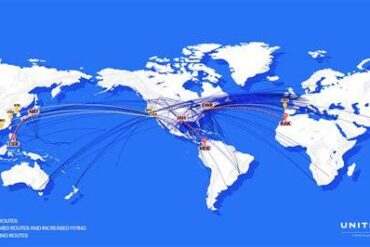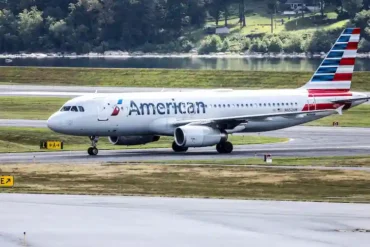
United Airlines enters 2026 with a network scale that rewrites modern airline geography. With scheduled service to 386 destinations, the Chicago-based carrier now operates the most expansive airport portfolio of any passenger airline in the world. This milestone is not about symbolic bragging rights; it reflects years of disciplined network planning, selective long-haul risk-taking, and a domestic backbone that quietly outmuscles global rivals. While fleet size and passenger volume often dominate headlines, network reach is where United has built its most durable advantage.
By combining dense North American coverage with carefully targeted international flying, United has created a map that looks less like a hub-and-spoke diagram and more like a living atlas. This scale places it ahead of American Airlines and Delta Air Lines in total destinations, while leaving traditionally global-heavy carriers such as Turkish Airlines well behind. The result is a network that touches more communities, feeds more long-haul routes, and captures more origin-and-destination traffic than any other carrier operating today.
The timing matters. As global travel demand stabilizes after years of volatility, airlines are no longer chasing growth at any cost. United’s expansion instead reflects precision growth, favoring connectivity, alliance leverage, and aircraft efficiency over sheer frequency. The 2026 network is the clearest expression yet of that philosophy.
A Network Built on Breadth, Not Just Size
United’s 386-destination footprint is calculated across its entire published schedule from February through December 2026, based on current filings with global aviation data providers. This scope captures seasonal routes, returning services, and inherited regional links that many competitors simply do not attempt to sustain.
North America dominates the count, driven by United’s extensive domestic operation and cross-border services to Canada and Mexico. Yet the real strategic weight lies in how these short- and medium-haul routes feed long-haul flights, particularly from hubs like Newark, Chicago O’Hare, Denver, Houston, and San Francisco. Each additional spoke increases the value of the entire system, creating compounding returns that smaller networks cannot replicate.
United’s strength in long-haul flying reinforces this advantage. Despite ranking third globally by passenger numbers, it leads the world in long-haul services, including several ultra-long-haul routes that test both aircraft capability and operational discipline. These flights are not vanity projects; they exist because the network behind them can consistently fill seats.
Regional Distribution Reveals Strategic Priorities
The continental breakdown of United’s served airports offers a revealing snapshot of its priorities. North America accounts for 270 destinations, underscoring the continued importance of domestic scale. Europe follows with 35 airports, reflecting United’s aggressive transatlantic posture and its reliance on Star Alliance partners to deepen coverage beyond its own metal.
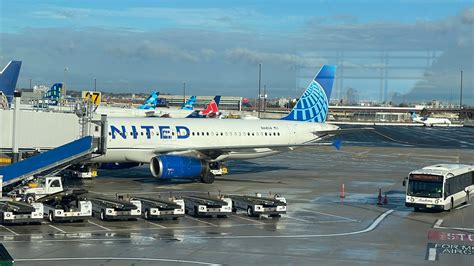
The Caribbean, Asia, and Oceania segments show a blend of leisure demand and legacy commitments, including routes inherited from Continental’s Micronesia operation. Meanwhile, Africa and the Middle East remain intentionally selective, with only five and two destinations respectively, signaling a preference for alliance connectivity over direct exposure in those regions.
This balance allows United to remain globally present without overextending into markets where yields or operational complexity dilute returns. It is a network shaped as much by restraint as by ambition.
Eighteen Airports Join or Return in 2026
Between January 2025 and the February–December 2026 schedule window, 18 airports will join or rejoin United’s map. Many are secondary or tertiary cities such as Abilene, Erie, and Wausau, reinforcing United’s commitment to regional connectivity. Others, like Glasgow, Bari, Split, and Santiago de Compostela, strengthen its European leisure and cultural footprint.
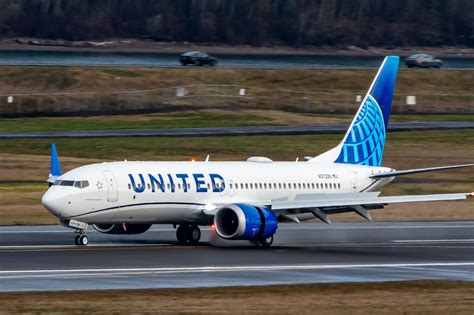
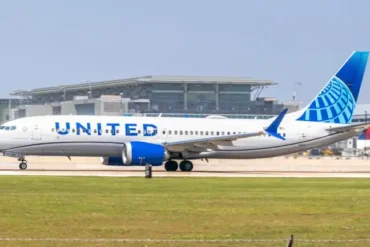
The return of Newark–Glasgow stands out. Relaunched as a daily seasonal service on the Boeing 737 MAX 8, the route spans 2,805 nautical miles and reflects growing confidence in narrowbody long-haul economics. Its reintroduction also reshapes United’s Scottish presence, subtly reallocating capacity away from Edinburgh during peak season.
Strategic Pruning Keeps the Network Efficient
Growth alone does not explain United’s network dominance. Just as important is what the airline has chosen to remove. Five airports disappear from the 2026 map, including Dakar, Havana, Stockholm Arlanda, Tenerife South, and Lewiston. Each exit tells a story of underperformance, seasonality, or shifting alliance dynamics.
The end of Newark–Stockholm is particularly symbolic. Once the longest nonstop Boeing 757 service in the world, the route lingered as a seasonal outlier after alliance realignments in Scandinavia. Its removal reflects United’s willingness to let go of legacy routes when strategic logic fades.
Why 386 Destinations Changes the Competitive Landscape
United’s 2026 network is not just larger than its peers; it is structurally different. By maximizing airport count, the airline increases itinerary options, captures diverse demand streams, and strengthens loyalty across both business and leisure segments. This breadth also amplifies the value of Star Alliance partnerships, turning United’s map into a gateway rather than a closed system.
In an industry where margins are won through network intelligence as much as aircraft efficiency, United’s 386-destination reach stands as a powerful competitive moat. It is a reminder that in aviation, where you fly can matter just as much as how often you fly there.