American Airlines Adds New Markets as Network Reaches 361 Airports
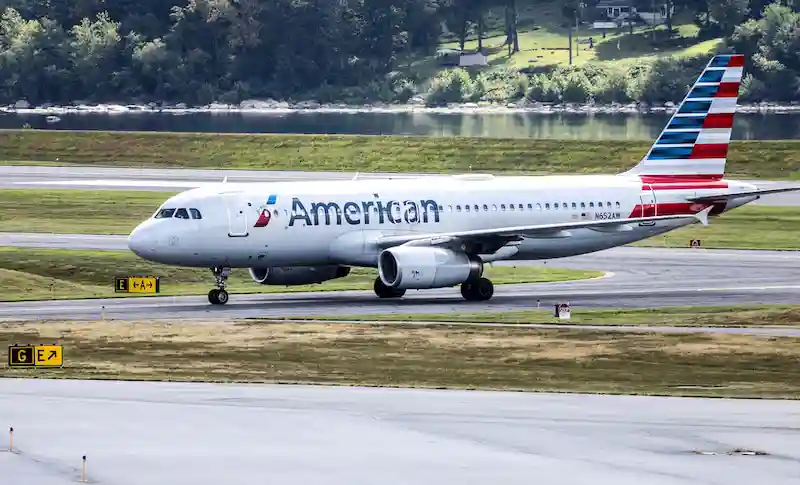
American Airlines is significantly expanding its global footprint, adding 12 new destinations across domestic and international markets as it prepares its Q3 2026 schedule. The expansion strengthens the carrier’s position as one of the world’s largest airlines by flight volume, while narrowing the gap with competitors in total destinations served.
During the July–September 2026 period, American Airlines is scheduled to operate flights to 361 airports worldwide, including major hubs, regional communities, and international destinations. Although United Airlines maintains a slightly larger network with 375 airports, American continues to build a powerful global system supported by its major hubs at Dallas/Fort Worth International Airport (DFW), Charlotte Douglas International Airport (CLT), and Miami International Airport (MIA).
The latest schedule changes show a combination of brand-new markets, restored routes, and communities returning to the airline’s network after years of absence. Compared with Q3 2025, American has added 12 airports while only removing one destination: Doha Hamad International Airport (DOH), which will return to Qatar Airways service after American previously operated the route from Philadelphia.
Six New U.S. Destinations Expand American Airlines’ Domestic Reach
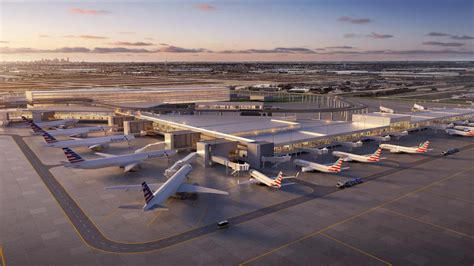
Within the United States and U.S. territories, American Airlines will serve 234 airports, representing about 65% of its entire network. The carrier’s latest growth includes six additional domestic markets, expanding access in states where American already holds a strong presence.
Several of these airports represent a return after many years. Lewisburg, West Virginia, for example, will once again welcome American Airlines flights after the carrier last served the market in 1992. The new service will connect Lewisburg with both Charlotte and Chicago O’Hare using SkyWest Airlines CRJ700 regional jets, supported through the Essential Air Service (EAS) program.
Another notable addition is Staunton/Waynesboro, Virginia, which becomes a completely new airport for American’s network. The airport will receive daily flights to Charlotte and Chicago O’Hare, creating additional connectivity for communities in western Virginia.
American is also entering Vero Beach, Florida, for the first time. The airline will operate flights from Charlotte using PSA Airlines CRJ900 aircraft, with additional seasonal service planned from Philadelphia. The move further strengthens American’s Florida presence, where the carrier now serves more airports than any other airline.

Other domestic additions include Gunnison, Colorado, which returned to American’s schedule in December 2025 after previously losing service, and Lincoln, Nebraska, which regained American flights after the airline last served the city in 2004. Marion, Illinois, is also returning to the network with Chicago O’Hare service operated by SkyWest CRJ700 aircraft.
Together, these additions demonstrate American’s continued focus on connecting smaller communities with its major hubs, allowing passengers to access broader domestic and international networks through one-stop connections.
International Expansion Brings New Routes to Mexico, Europe, and South America
American Airlines is also growing beyond the United States, with international additions increasing its network to 127 destinations outside the U.S. and its territories. The carrier has introduced six international markets compared with Q3 2025, although the return of Qatar Airways to Philadelphia–Doha service means the overall increase is five airports.
One of the most interesting additions is Puerto Escondido, Mexico, which will receive American Eagle service from Dallas/Fort Worth. The coastal destination previously had limited international connectivity, and American’s arrival gives travelers another option alongside United Express flights from Houston.
Another unique addition is Bimini, Bahamas, served from Miami International Airport. At only 56 nautical miles (104 kilometers), the route becomes one of American’s shortest international connections. The service highlights how American continues using Miami as a gateway for Caribbean and Latin American travel.
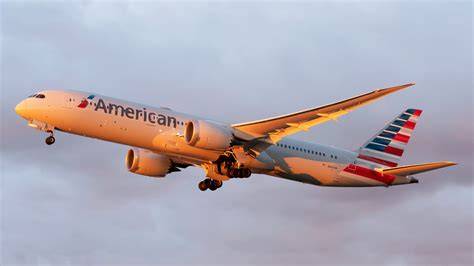
European travelers will also see the return of two important cities. American Airlines is restarting flights to Budapest, Hungary, and Prague, Czech Republic, from Philadelphia using Boeing 787-8 Dreamliner aircraft. Both routes last operated in 2019, and their return reflects renewed demand for transatlantic travel.
Budapest is particularly significant because American will become the only U.S. airline serving the Hungarian capital. Prague’s return is also notable, as the Czech capital regains a second U.S. carrier connection after several years.
American Airlines Returns to Venezuela With Expanded South American Presence
One of the biggest developments in the expansion is American Airlines’ return to Venezuela. The carrier is restoring service to Caracas and Maracaibo, marking a major step after suspending Venezuelan operations several years ago.
American’s Miami hub has historically been the airline’s strongest connection point to South America. With the new routes, the airline will serve eight countries across the continent, including Argentina, Brazil, Chile, Colombia, Ecuador, Guyana, Peru, and Venezuela.
The Caracas route will operate up to twice daily, while Maracaibo will receive daily service using SkyWest Embraer E175 aircraft. American previously operated much larger aircraft on Venezuelan routes, including the Airbus A300, Boeing 757, and Boeing 767, during periods of stronger demand.
The renewed service comes as relations between the United States and Venezuela improve, along with increased confidence in travel conditions. The return gives passengers additional options between South Florida and Venezuela while reinforcing Miami’s role as the leading U.S. gateway to Latin America.
A Strategic Network Expansion for American Airlines
American Airlines’ 12 new destinations represent more than simple route additions. They reflect a broader strategy focused on strengthening hub connectivity, restoring valuable markets, and responding to changing passenger demand.
By combining regional aircraft services with long-haul international routes operated by aircraft such as the Boeing 787 Dreamliner, American is creating a flexible network that serves both small communities and major global travel markets.
As competition among major U.S. airlines continues to intensify, American’s latest expansion shows the importance of network scale. These new destinations provide passengers with more choices while reinforcing American Airlines’ position as one of the world’s most connected carriers.