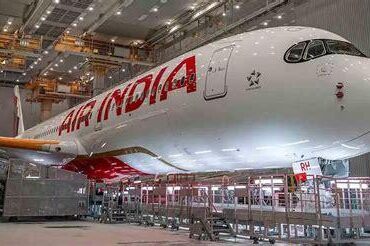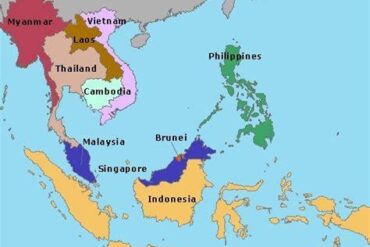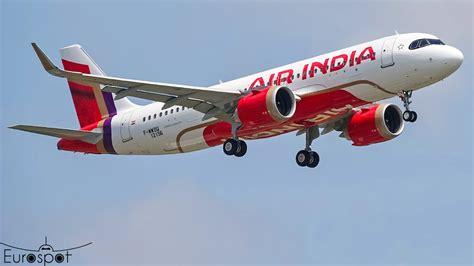
Air India is accelerating its international expansion strategy just in time for the winter travel season, reinforcing its presence in high-demand Southeast Asian routes. Under the stewardship of the Tata Group, the airline is executing a bold plan to turn Delhi into a premier international hub, introducing additional flights to Kuala Lumpur, Bali, and Manila starting mid-November through mid-December. This surge in capacity aligns with rising passenger volumes and intensifies competition in one of the world’s fastest-growing travel corridors.
Kuala Lumpur: Tapping into Tourism and Trade
Beginning 16 November, Air India will scale up its Delhi–Kuala Lumpur service from seven to ten flights per week. This increase is a response to the route’s consistent year-round demand, fuelled by a mix of tourism, business, and educational travel. The India–Malaysia corridor is increasingly vital, with Kuala Lumpur serving as a strategic gateway into ASEAN, connecting to regional destinations such as Penang, Langkawi, and Kuching.
Malaysia’s appeal to Indian travellers has been surging thanks to visa-on-arrival programs and affordable vacation packages. The two nations share strong cultural and diaspora ties, enhancing the appeal of this route. Air India’s bolstered schedule positions it competitively against Malaysia Airlines, Batik Air Malaysia, and AirAsia, strengthening its hold on a lucrative travel sector.
Bali: Meeting Leisure Demand With More Non-Stops
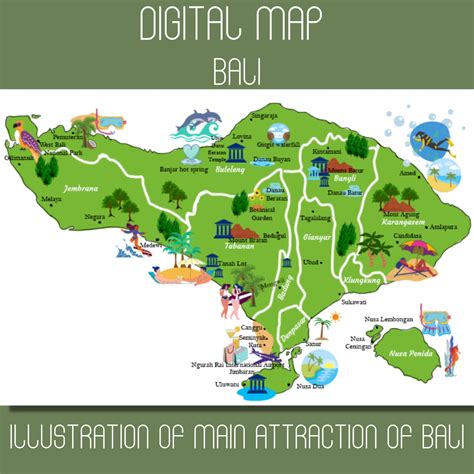
Starting 1 December, Air India will increase Delhi–Bali services from seven to ten weekly flights, a move that reflects the explosive growth in leisure demand, particularly among honeymooners, wellness seekers, and digital nomads. Bali is now among the most sought-after destinations for Indian outbound tourism, with its exotic charm and cost-effective appeal driving repeat visits.
The enhanced capacity comes just in time for holiday travellers and positions Air India to win market share from regional carriers. While competitors like IndiGo have initiated one-stop services to Bali, Air India’s direct flights offer a clear convenience advantage. Additionally, Air India’s strategy includes linking Bali with Europe-bound passengers via Delhi, offering a seamless one-ticket journey across continents.
Manila: Daily Flights to a Growing Market
From 11 December, Air India’s Delhi–Manila route will shift from five flights per week to daily operations, signalling growing confidence in this newer market. Despite being relatively underserved, Manila has demonstrated strong demand, especially from students, medical tourists, and business professionals.
The Philippines is emerging as a favored destination for Indian tourists exploring islands like Boracay, Palawan, and Cebu. With this daily connection, Air India is not only enhancing travel convenience but also fostering stronger bilateral ties between India and the Philippines. Currently, Air India is the only carrier offering non-stop flights between Delhi and Manila, giving it a unique first-mover advantage in nurturing two-way tourism and trade.
Building Delhi into a Global Aviation Powerhouse
The expansion of Air India’s Southeast Asia network is more than a seasonal adjustment—it’s a pivotal step in consolidating Delhi’s role as a global transit hub. Most of the new frequencies will be served by the airline’s upgraded A320 and A321 aircraft, featuring modern interiors, improved seating, and enhanced inflight service.
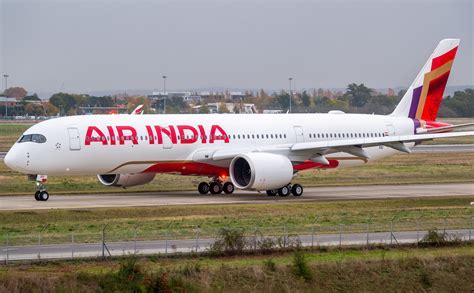
Simultaneously, Air India is preparing for long-haul growth with the incoming Boeing 787-9 and Airbus A350-1000 aircraft, enabling extended intercontinental reach. The combined strength of narrow-body and widebody fleets allows Air India to serve both high-density regional markets and premium international segments, creating a diversified network strategy.
As more international travellers use Delhi as a connecting point for Europe, North America, Australia, and East Asia, Air India’s vision becomes increasingly tangible. The renewed focus on connectivity, passenger experience, and aircraft modernization places the carrier at the forefront of India’s global aviation ambitions.
Conclusion: A Strategic Move with Global Implications
Air India’s latest flight additions are not just about filling seats; they are about staking a larger claim in global aviation. By increasing frequency on routes that matter—those with rising demand, strategic location, and strong economic ties—Air India is rewriting its own flight path. This winter’s expansions reinforce the airline’s transformation from a legacy carrier into a forward-looking global competitor, connecting India to the world more seamlessly than ever before.