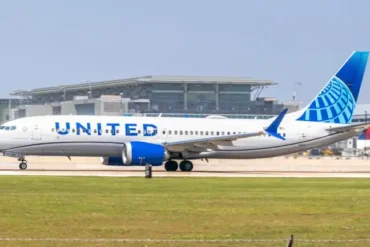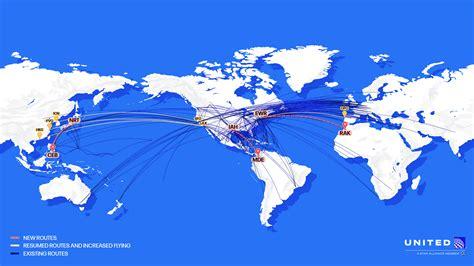
United Airlines is making one of its biggest network expansions in recent years, adding 17 new destinations to its schedule for the third quarter of 2026. The expansion strengthens United’s position as the airline serving more airports worldwide than any other carrier, with its global network expected to reach 375 destinations between July and September 2026.
The growth represents a significant increase from the 363 destinations United operated during the same period in 2025. The airline’s latest expansion includes both completely new markets and the return of previously discontinued routes, reflecting United’s strategy of reconnecting passengers with important international cities while improving access to smaller communities across the United States.
The updated schedule data, based on United’s filings analyzed through Cirium Diio, shows a carefully planned expansion across Europe, Asia, Latin America, and regional US markets. While the airline continues adjusting its network based on demand, aircraft availability, and market conditions, the addition of these destinations highlights United’s ambition to maintain one of the world’s most extensive route maps.
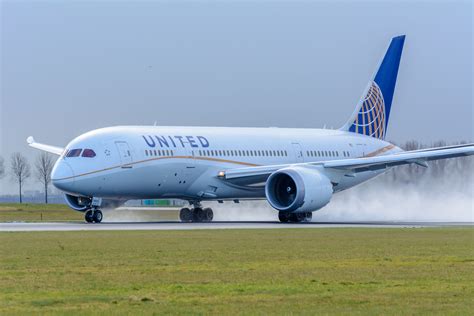
United Airlines Adds Seven International Destinations
United’s international growth is one of the most notable parts of the expansion. Seven overseas markets have been added or restored compared with the third quarter of 2025, bringing new opportunities for travelers seeking direct connections between the United States and key global regions.
Several of these routes are especially significant because United becomes the first North American airline to operate services to certain destinations. The airline’s return to Bari, Santiago de Compostela, and Split provides unique long-haul connections to European cities that previously had limited or no nonstop access from North America.
In Mexico, United is introducing service to Tepic, a destination that previously had not received scheduled US airline service. The move demonstrates the carrier’s continued focus on expanding beyond traditional tourist hubs and reaching emerging travel markets.
United is also restoring service to several cities with historical connections to its network. Bangkok, Glasgow, and Ho Chi Minh City have all previously been served by the airline, although operations ended years earlier.
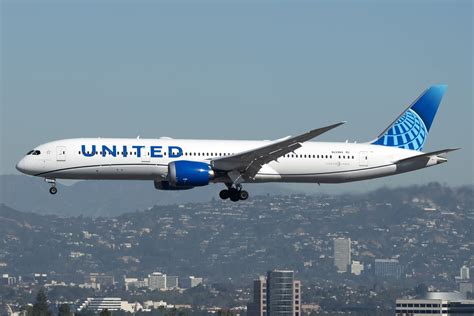
Bangkok returns with flights from Los Angeles International Airport (LAX) via Hong Kong International Airport (HKG), operated daily with the Boeing 787-9 Dreamliner. United previously served Thailand’s capital until 2014, using aircraft such as the Boeing 747-400 and Boeing 777-200ER on routes through Tokyo Narita.
Ho Chi Minh City also returns through the same Los Angeles-Hong Kong routing pattern. The city last saw United service in 2016, when the airline operated flights using large widebody aircraft, including the Boeing 747-400 and later the Boeing 777-200ER.
European Expansion Strengthens United’s Long-Haul Network
United’s European additions highlight the airline’s focus on leisure travel and underserved markets. The carrier will launch flights to Split, Croatia, Bari, Italy, Glasgow, Scotland, and Santiago de Compostela, Spain, creating new connections between American travelers and popular European destinations.
The Split route will operate from Newark Liberty International Airport (EWR) three times weekly using the Boeing 767-300ER. Bari service will also depart Newark, operating four times weekly with the same aircraft type.
Glasgow will return to United’s network with daily flights from Newark using the Boeing 737 MAX 8, while Santiago de Compostela will receive three weekly flights from Newark using the same aircraft. These routes allow United to expand its European footprint beyond major capitals and provide travelers with easier access to regional destinations.
The return of these markets also reflects changing travel patterns after the pandemic era, as demand has shifted toward unique destinations, cultural tourism, and direct flights that reduce the need for connections through larger European hubs.
Ten New US Destinations Expand Regional Connectivity
Alongside international growth, United is significantly increasing its domestic reach by adding ten US destinations between February and July 2026. These routes are operated through United Express, extending the airline’s network into smaller communities.
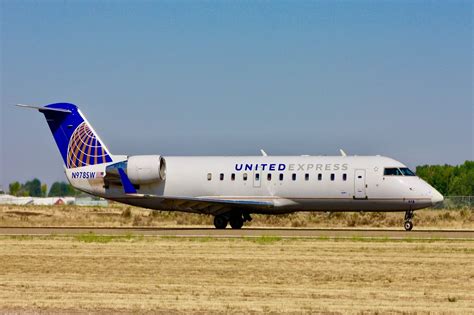
Many of these flights are operated by SkyWest Airlines, using regional aircraft such as the CRJ200, CRJ550, and Embraer E175. Although some of these aircraft are smaller than United’s mainline jets, they provide essential connections between regional airports and major hubs.
The new domestic destinations include Paducah, Roswell, Abilene, Carlsbad, Lynchburg, Clarksburg, Montgomery, Alexandria, Lancaster, and Natchez.
Natchez, Mississippi, is among the most interesting additions because the city had not received scheduled airline service for more than 30 years before United Express returned. United’s arrival creates a new transportation link for residents and businesses in the region.
Other markets, including Lancaster, Lynchburg, Montgomery, and Roswell, represent renewed connections after previous United service ended. The expansion also increases competition at several airports where United’s arrival adds another airline option for travelers.
United Airlines Continues Adjusting Its Global Route Map
While United is adding 17 destinations, the airline is also removing or temporarily suspending service to five markets compared with the third quarter of 2025. Route changes are a normal part of airline network planning as carriers respond to passenger demand, economic conditions, and operational challenges.
The destinations no longer appearing in the Q3 2026 schedule include Dakar, Dominica, Dubai, Havana, and Stockholm Arlanda.
Some changes are temporary rather than permanent. Flights to Dominica are shifting from year-round operations to seasonal service, with flights expected to return later. Dubai service has been affected by regional security concerns, with plans for a possible return in October 2026.
United’s Dakar route from Washington Dulles International Airport operated between May 2025 and January 2026 but struggled with demand. Government transportation data showed the route carried 21,949 passengers, with a relatively low 55.8% load factor, making it one of United’s weaker long-haul markets.
A Larger Network Strategy for 2026
United Airlines’ addition of 17 new destinations shows a clear commitment to network growth. By combining major international markets with smaller regional communities, the airline is expanding both its global reach and domestic accessibility.
The 2026 schedule reflects United’s broader strategy of using its major hubs, including Newark, Los Angeles, Chicago, Houston, Denver, San Francisco, and Washington Dulles, to connect travelers with more destinations worldwide.
As competition among global airlines continues to increase, United’s expanding route map gives it a powerful advantage. The airline is not only adding destinations but also strengthening its position as one of the most geographically diverse carriers in the aviation industry.