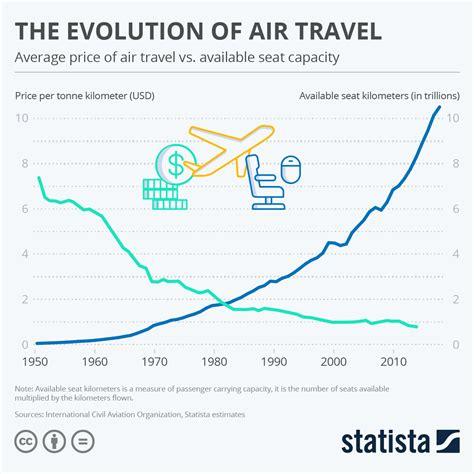
The aviation industry is on the brink of a monumental transformation, driven by an intricate interplay of geopolitical dynamics and the urgent need for sustainable travel solutions. Recent forecasts indicate that China, the USA, India, the UAE, and Germany are poised to lead the global air travel growth trajectory through 2040. As these nations grapple with the dual challenges of burgeoning travel demand and environmental responsibilities, their strategies will reshape the global tourism landscape.
China: The Unstoppable Force in Air Travel
China is projected to emerge as one of the fastest-growing markets for global air travel, with estimates suggesting that the country’s air traffic will more than double from 2019 levels by 2040. This remarkable growth can be attributed to a robust post-pandemic recovery, a vast domestic population, and a rapidly expanding middle class eager to explore both domestic and international destinations.
China’s government has prioritized infrastructure development, resulting in the construction of new airports and air routes that will facilitate this impressive growth. Moreover, the nation’s booming economy and the government’s push for domestic tourism are significant factors driving aviation demand. With increasing international outbound traffic, China remains a crucial market for airlines and tourism boards aiming to capitalize on its upwardly mobile demographic.
However, navigating this growth comes with its own set of challenges. While China’s aviation sector is expanding, there is a pressing need to focus on sustainability. The adoption of advanced Sustainable Aviation Fuel (SAF) and the implementation of low-carbon policies will be essential to maintaining China’s position as a leader in global aviation while minimizing environmental impacts.

USA: A New Era of Air Travel Growth
The United States, historically one of the largest air travel markets, is anticipated to witness continued growth in air traffic. Projections indicate that North American air travel could rise by 54% by 2040 from 2019 figures, primarily driven by domestic travel within the country and international flights to major hubs like New York, Los Angeles, and Chicago.
The rebound in both business and leisure travel, supported by higher disposable incomes and a comprehensive travel network, will significantly bolster air travel demand. Cities such as New York, San Francisco, and Miami are increasingly attracting international tourists, enhanced by improved direct flight connections from Europe, Latin America, and Asia.
A critical aspect shaping the future of air travel in the USA is the focus on maximizing airspace efficiency and enhancing passenger experiences through technological innovations. The integration of Artificial Intelligence (AI) into booking systems, biometric screening for expedited airport procedures, and advancements in aircraft fuel efficiency are just a few examples of how the US aims to revolutionize its aviation landscape. Furthermore, as sustainability takes center stage, the US is positioned to play a pivotal role in advancing green aviation technologies that promote environmentally responsible growth.
India: Emerging as an Aviation Powerhouse
India stands at the cusp of a significant transformation in its aviation sector, with expectations that air traffic will increase by an astounding 131% from 2019 levels by 2040. This surge can be attributed to a combination of rapid economic expansion, a burgeoning middle class, and rising disposable incomes that fuel domestic travel demand.
Major Indian cities, including Delhi, Mumbai, and Bengaluru, are central to the global air travel network, handling significant domestic and international traffic. The Indian government’s commitment to developing aviation infrastructure, exemplified by initiatives like the UDAN (Ude Desh ka Aam Naagrik) scheme designed to make air travel accessible to the common citizen, is set to further propel growth. Additionally, the expansion of regional airports and the introduction of more domestic flights will enhance connectivity, drawing in both local tourists and international visitors.
As India gears up to become one of the world’s largest aviation markets by 2040, it faces the challenge of balancing this growth with sustainable practices. The focus on eco-friendly aviation solutions will be crucial in ensuring that the sector thrives without compromising environmental integrity.
UAE: A Hub for Air Travel and Luxury Tourism
The United Arab Emirates, particularly through the cities of Dubai and Abu Dhabi, has established itself as a global nexus for air travel, serving millions of international passengers each year. The UAE is forecasted to experience robust growth in aviation demand, leveraging its strategic geographic position between Europe, Asia, and Africa.
Emirates Airlines, headquartered in Dubai, continues to lead the charge in connecting the UAE with the rest of the world. The expected increase in passenger traffic at UAE airports is driven by the influx of international tourists and business travelers. Significant capital investments in airport infrastructure, including expansions at Dubai International Airport, will cement its status as a major hub for global flights.
In addition to its aviation prowess, the UAE’s luxury tourism sector, featuring high-end hotels, shopping centers, and prestigious events like Expo 2020, enhances its appeal to both regional and long-haul travelers. The ongoing transformation of the aviation sector towards sustainability and innovation will play a crucial role in sustaining and growing this vital industry.
Germany: Europe’s Aviation Leader
Germany, as Europe’s largest economy and a key player in the global aviation market, is expected to witness consistent growth in air travel demand. Projections suggest that Germany’s aviation sector will be 44% larger by 2040 compared to 2019, fueled by domestic travel across Europe and international flights to and from major hubs such as Frankfurt and Munich.
Germany’s central position in Europe makes it an attractive destination for both holidaymakers and business travelers. The country’s commitment to modernizing and improving aviation infrastructure aligns with the European Union’s ambition to make air travel greener. Significant investments in carbon reduction technologies and the promotion of Sustainable Aviation Fuel (SAF) will be critical in ensuring that Germany’s aviation sector remains competitive and environmentally responsible.
Conclusion: The Future of Global Air Travel
As nations like China, the USA, India, the UAE, and Germany navigate the complexities of the evolving aviation landscape, their ability to grow sustainably will be paramount in defining the future of global air travel. While these countries serve as the backbone of regional and international tourism, the international tourism sector will also benefit from enhanced connectivity, new infrastructure developments, and innovative technologies aimed at promoting environmentally sustainable aviation practices.
The responsibility lies with these leaders to ensure that the aviation industry not only meets the growing demands of travelers but does so while maintaining access, convenience, and green credentials. How swiftly the aviation sector adapts to changing tourist preferences, addresses the potential conflicts arising from geopolitical developments, and progresses in tackling climate change will determine the ability of these countries to continue being champions of global tourism by 2040.