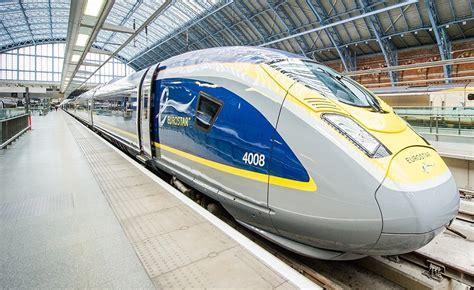
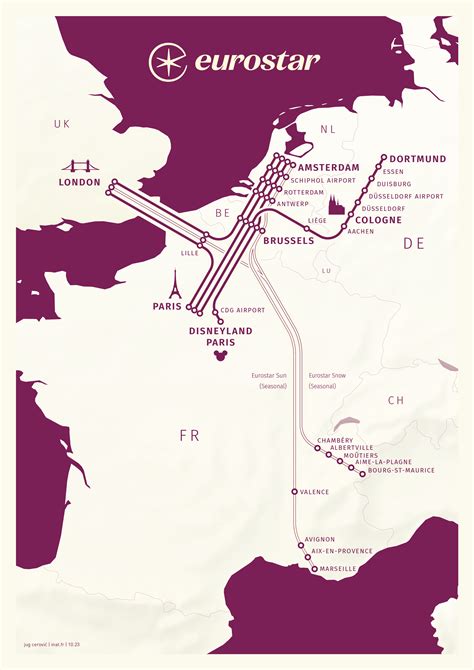
Europe is poised to revolutionize global travel as Eurostar unveils an audacious €2 billion initiative designed to reshape cross-border mobility on the continent. With plans for direct high-speed rail connections between London, Frankfurt, and Geneva, the announcement catapults Europe into the spotlight as a leader in sustainable, seamless travel. More than just a transit upgrade, this marks a cultural and infrastructural transformation set to redefine how millions explore, connect, and conduct business across the region.
By launching direct London-to-Germany and London-to-Switzerland routes, Eurostar isn’t just expanding its network—it’s igniting a new era of green mobility across European borders.
Europe’s Travel Future: Fast, Seamless, and Sustainable
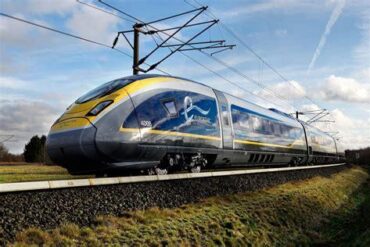
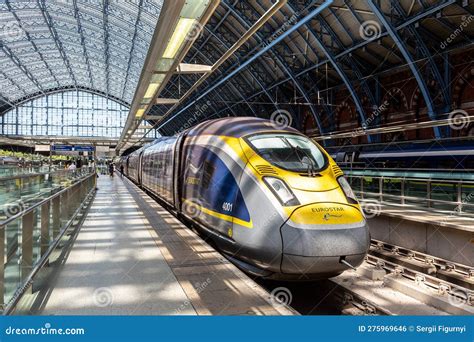
The stakes are high, but so is the payoff. Eurostar’s investment will fund a fleet of 50 next-generation trains, with services set to launch in phases through the early 2030s. These new routes promise London to Frankfurt in five hours and London to Geneva in just over five. No transfers. No layovers. Just direct, frictionless, climate-responsible travel across iconic European corridors.
This move is not reactionary—it’s visionary. As air travel grapples with carbon scrutiny, mounting fuel costs, and regulatory tightening, high-speed rail has emerged as the more viable and ethical option. Eurostar, already synonymous with transcontinental train innovation, is asserting itself as the torchbearer of the next generation of interconnected European cities.
Eurostar’s Bold Expansion Is Backed by Record-Breaking Demand
Timing is everything. Eurostar’s decision comes on the heels of its most successful year yet: 19.5 million passengers in 2024, up 5% from 2023. Even as inflation impacts discretionary spending, travelers are making their preferences clear—when given a reliable, sustainable rail option, they take it.
This momentum provides both validation and fuel for Eurostar’s growth strategy. The company isn’t just scaling—it’s reimagining what’s possible. With plans to boost frequency on high-demand routes like London to Paris, and to expand new lines that tap directly into economic and tourism powerhouses like Frankfurt and Geneva, Eurostar is crafting a continental rail web built for the 21st century.
Frankfurt and Geneva: Strategic Moves for Strategic Travelers
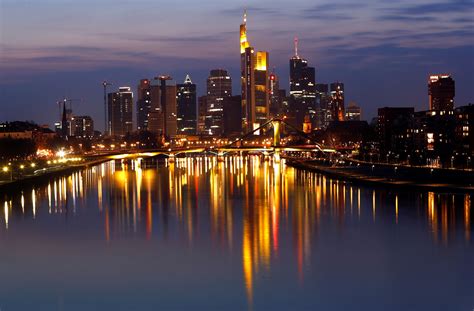
Eurostar’s city selections are anything but random. Frankfurt, the financial nerve center of the EU, and Geneva, a global epicenter of diplomacy, luxury, and Alpine allure, are logical extensions of a high-end, high-demand travel network. These aren’t just cities—they’re international magnets.
These direct connections open doors for:
- Business executives traveling between financial hubs.
- Diplomats and NGO professionals seeking smoother cross-border transit.
- Luxury tourists avoiding airport queues.
- Urban explorers keen to traverse Europe without flying.
Additionally, Geneva will soon link directly to Amsterdam and Brussels, creating an elegant Northern-Southern European corridor for climate-conscious travelers.
The €2 Billion Fleet: Next-Gen Trains for Next-Level Travel
The upcoming trains will be unlike anything currently on the tracks. Though Eurostar has yet to release full technical specs, expectations are sky-high. Industry observers anticipate advanced aerodynamics, energy-efficient propulsion systems, ultra-modern interiors, and streamlined digital connectivity.
These new additions will not only expand capacity but also protect Eurostar’s competitive advantage. As St Pancras Highspeed—the operator of London’s main terminal—prepares to welcome new players, Eurostar’s upgrade is part defensive strategy, part innovation push. This bold investment reasserts its leadership role on the Channel Tunnel route, especially as Getlink, the Channel Tunnel owner, pushes for greater rail operator diversity.
The Air vs. Rail Showdown Intensifies
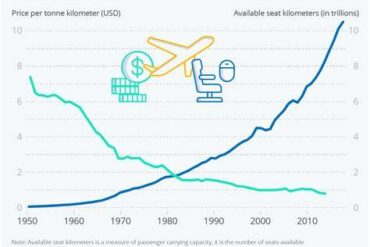
As these routes go live, short-haul European airlines may find themselves on the defensive. Flights between London and both Germany and Switzerland will face direct, convenient, and carbon-smart rail competition. For journeys under six hours, rail is closing the speed gap, while vastly outperforming air travel on comfort, location access, and emissions.
This is already shifting consumer habits. Eurostar’s market surveys reveal a strong preference for rail among passengers aged 25–45, especially those traveling for business and environmental reasons. With greater awareness around carbon footprints and EU-wide support for rail development, that demographic trend is only accelerating.
Hotels, Tourism Boards, and Local Economies: Ready for the Ripple?
This connectivity doesn’t just move people—it stimulates economies. As rail makes it easier to travel between London, Geneva, and Frankfurt in a single weekend, hospitality and tourism ecosystems will adapt and thrive. Mid-sized cities along the route stand to benefit from spillover demand, expanding the tourism map beyond capital cities.
Expect:
- Spikes in weekend city break bookings.
- More EU-aligned marketing campaigns from tourism boards.
- New real estate investment in transit-friendly neighborhoods.
- Booming rail-tour packages for luxury and eco-conscious travelers.
Post-Brexit, Post-Pandemic: Can Infrastructure Keep Up?
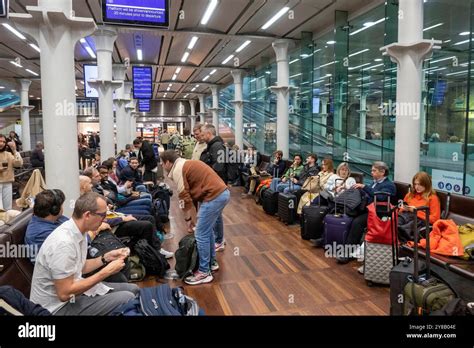
Despite the hype, execution remains a critical factor. Post-Brexit customs and border controls must evolve to keep pace with streamlined cross-border passenger movement. Meanwhile, questions linger over whether Germany’s and Switzerland’s existing track infrastructure can accommodate the increased load without delays.
Eurostar insists it is coordinating with European transit authorities, station operators, and border agencies to address these concerns in advance. A phased rollout, likely beginning with limited service windows and gradually expanding, will allow the network to test, refine, and optimize operations.
London St Pancras: The Rail Capital’s Growing Pains
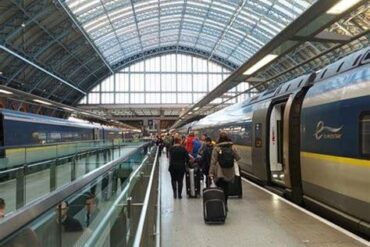
While Eurostar solidifies its continental vision, London’s rail authorities are preparing for more traffic, more competition, and more pressure. St Pancras International—already a marvel of Victorian and modern design—is set to play an even more pivotal role as the gateway to Europe.
With Getlink signaling intent to open the Channel Tunnel corridor to new operators, the race is on. Eurostar’s early expansion not only boosts visibility—it also fosters brand loyalty and infrastructure familiarity before new entrants disrupt the space.
Rail Renaissance: A New Era of Continental Travel
At its heart, this isn’t just about new trains. It’s about a psychological shift. Europe is moving from a fragmented transit experience to a connected, electric, eco-conscious whole. Eurostar is positioning itself not merely as a service provider but as a lifestyle enabler—offering elegance, efficiency, and ease in one clean, electric ride.
By 2035, rail may well become the default travel mode for inter-city journeys under 1,000 km. And if Eurostar’s vision holds, the routes from London to Germany and Switzerland will be the backbone of this green revolution.
The Global Travel Stage Belongs to Europe Now
In an era where the climate crisis, tech innovation, and consumer habits intersect, Eurostar’s €2 billion bet feels less like a gamble and more like a blueprint for the future. Europe is about to become the mega star of global travel, not because of what it promises, but because of what it’s already building—fast, green, direct rail journeys that challenge the very way we think about travel.
And with tracks set to open in the early 2030s, this vision isn’t decades away. It’s pulling into the station. Now.