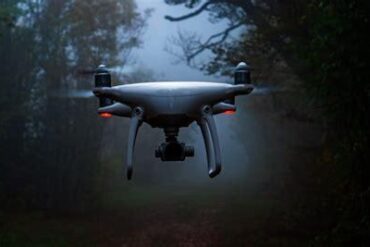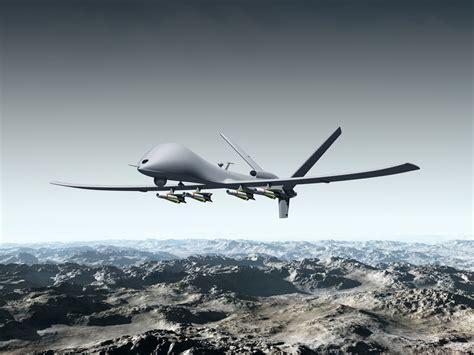
In a decisive move to reshape the battlefield of tomorrow, the U.S. Army is finalizing requirements for a new generation of expendable drones, marking a bold shift toward agile, mass-produced unmanned systems that can saturate contested environments, execute autonomous missions, and partner seamlessly with manned assets. These systems, officially designated Purpose-Built, Attritable Systems (PBAS), are being designed from the ground up to be cost-effective, versatile, and, if necessary, disposable.
This initiative, spearheaded by the Army’s Project Manager for Unmanned Aircraft Systems (PM UAS), comes as the service recognizes the urgent need to adapt to rapidly evolving drone warfare dynamics—dynamics most visibly on display in Ukraine, where low-cost, first-person-view (FPV) drones have redefined the rules of engagement.
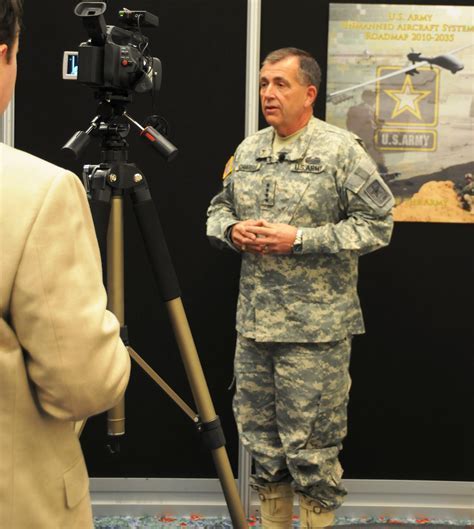
Col. Danielle Medaglia, speaking at the annual Army Aviation Association of America conference in Nashville, confirmed that the Army is closing in on the completion of its PBAS requirements, which will undergo review by the Army Requirements Oversight Council in June.
A Response to Battlefield Realities and Technological Trends
The PBAS program is not merely a reactionary step—it is a strategic pivot based on lessons drawn from active combat zones. According to Col. Nick Ryan, the Army Capability Manager for Unmanned Aircraft Systems within the Capabilities Development and Integration Directorate, the Army is committed to fielding a multifunctional fleet of attritable drones that go far beyond the basic FPV drones seen in Ukraine.
These new drones will support a wide spectrum of mission profiles, including:
- First-person view (FPV) control, where operators guide the aircraft in real-time using handheld controllers.
- Semi-autonomous operation, akin to current Short-Range Reconnaissance (SRR) systems, where the drone follows programmed waypoints with minimal manual input.
- Fully autonomous missions, in which drones are launched with pre-loaded flight plans and objectives, operating independently to execute their tasks.
Additionally, tethered configurations, possibly via fiber-optic cables, are under evaluation for scenarios requiring constant communication links or extended operational duration.
Swarming, Teaming, and Autonomy: Expanding Tactical Horizons
The Army’s vision extends beyond individual drone capabilities. Central to PBAS is the potential for drone swarming tactics, a concept where multiple expendable UAVs operate in a coordinated formation to overwhelm defenses or perform cooperative sensing and targeting. These formations could act as force multipliers in both offensive and defensive roles.
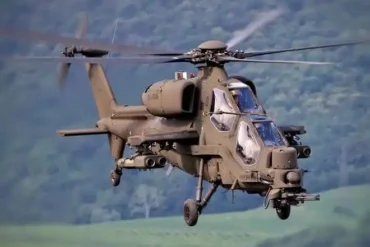
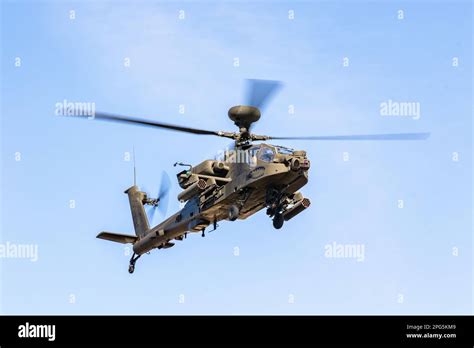
One of the most groundbreaking concepts involves manned-unmanned teaming (MUM-T), particularly with legacy platforms like the AH-64 Apache attack helicopter. In this configuration, a PBAS drone might scout ahead of the helicopter, draw enemy fire, or even mark targets, thus reducing pilot risk while enhancing mission lethality.
Perhaps the most futuristic—but no longer far-fetched—scenario is the use of PBAS drones in air-to-air autonomous combat, as articulated by Col. Ryan: “Just tell it, launch it and say, ‘Hey, go kill things in the air. Robot to robot.’” In this role, PBAS becomes an active participant in air superiority missions, intercepting and neutralizing enemy drones with little to no human intervention.
Rapid Development, Agile Acquisition
Recognizing the urgency of this capability gap, the Army released a call-to-industry market survey approximately two weeks prior, seeking vendor solutions for PBAS. The response was overwhelming: over 60 vendors submitted proposals, a clear signal of burgeoning industrial interest and capability in attritable drone technologies.
This week, according to Col. Medaglia, the evaluation board will begin reviewing submissions. The selection process is designed to be fast and iterative, involving:
- Paper-based assessments of vendor solutions.
- Flight demonstrations by select companies.
- Multi-vendor contracts awarded based on performance and scalability.
“We need to scale,” Medaglia emphasized. “We want to get it out quickly, learn, iterate. We are moving incredibly, incredibly quickly in this space. It’s funded. We have responses, and we’re ready to roll.”
Designing for Attritability: A New Procurement Philosophy
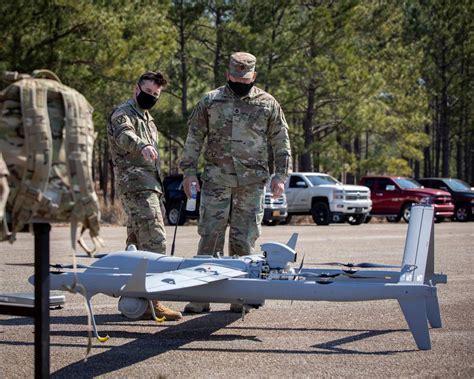
What distinguishes PBAS from traditional drone programs is its focus on attritability—the assumption that these drones are meant to be lost in combat, yet cheap enough to be replaced in volume. This philosophical shift forces changes in how drones are designed, procured, and employed.
Rather than investing in a handful of exquisite platforms, the Army is now pursuing modular, scalable solutions that are quick to produce, easy to operate, and inexpensive enough that their loss does not severely impact operational readiness.
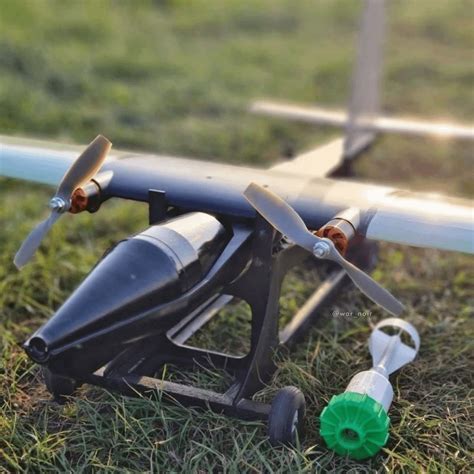
Attritable drones could cost thousands, not millions, and might be made from commercial off-the-shelf (COTS) components or 3D-printed materials. These design choices emphasize speed over survivability, agility over endurance, and mission success over platform longevity.
Implications for Modern Warfare and Deterrence
The PBAS initiative is poised to change not only the way the Army fights but also how it thinks about combat deterrence, logistics, and doctrine. By integrating attritable drones into the force structure, the Army introduces a level of operational unpredictability that complicates enemy planning.
- In a contested environment, PBAS drones could be used to probe enemy air defenses without risking manned aircraft.
- In counter-UAS roles, they can serve as airborne sentinels or interceptors capable of autonomously engaging hostile drones.
- In high-intensity conflicts, swarms of PBAS drones could disrupt enemy formations, jam signals, or act as decoys to enable deeper strikes.
Such capabilities are also relevant in gray zone warfare, where drones can collect ISR data, harass enemy positions, or conduct kinetic strikes without escalating to open conflict.
From Concept to Combat: What Comes Next
As the Army finalizes its requirements and begins evaluating vendor submissions, the next steps will focus on rapid prototyping, scalable manufacturing, and field experimentation. Selected vendors will be expected to demonstrate not only technological viability but also their ability to deliver systems at speed and scale.
Key challenges ahead include:
- Ensuring interoperability with existing Army command-and-control (C2) systems.
- Maintaining cybersecurity in autonomous or semi-autonomous mission modes.
- Balancing cost-efficiency with mission effectiveness, especially in swarming or air-to-air engagement scenarios.
The PEO Aviation office and the Maneuver Center of Excellence will play central roles in shaping the doctrine and deployment strategies for PBAS, ensuring that these systems become integral to the Army’s future force design.
Conclusion: A Strategic Inflection Point in Army Aviation
The push toward Purpose-Built, Attritable Systems signals a strategic inflection point in the evolution of Army aviation. No longer tethered to traditional cost-risk paradigms, the Army is embracing a future where mass, speed, and autonomy define air superiority. As these drones progress from concept to combat, they promise to reshape the battlefield with capabilities that are smarter, cheaper, and faster to deploy than anything that has come before.
With funding secured, industrial interest surging, and operational urgency driving the timeline, PBAS is not merely a vision—it is an emerging reality set to transform the character of warfare in the 21st century.