The Ministry of External Affairs (MEA) has issued a crucial travel advisory, urging Indian passport holders to steer clear of eight countries that are currently facing significant security challenges. This warning comes amid escalating global conflicts and instability, highlighting the necessity for travelers to prioritize their safety and well-being. In recent months, the world has seen a rise in political tensions, civil unrest, and humanitarian crises, making certain destinations highly unsafe for Indian nationals.
The MEA’s advisory reflects an urgent response to these growing concerns, especially following recent incidents, such as border clashes between Thailand and Cambodia, that have raised alarms about the safety of Indian travelers. The list not only serves as a precautionary measure but also emphasizes the importance of remaining vigilant when planning international travel. Below is an in-depth look at the eight countries highlighted by the MEA and the reasons behind their designation as high-risk destinations.
1. Yemen: Civil War and Humanitarian Crisis
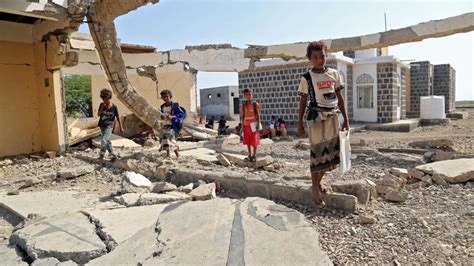
Yemen remains entrenched in a devastating civil war that has led to widespread destruction and a dire humanitarian crisis. The ongoing conflict involves Houthi rebels and a coalition of forces, resulting in severe insecurity throughout the region. The MEA strongly advises against any form of travel to Yemen, whether by air, land, or sea, due to the continuous violence and lawlessness. The government has implemented restrictions specifically designed to protect Indian citizens from the myriad dangers posed by this ongoing warfare.
2. Cambodia: Border Clashes with Thailand
Cambodia is currently experiencing heightened tensions along its border with Thailand, where recent clashes have escalated into violent confrontations. In light of these developments, the Indian Embassy in Cambodia has urged nationals to avoid travel to the Cambodia-Thailand border areas. The situation poses significant risks to travelers, and the MEA’s advisory aims to prevent any unnecessary exposure to danger. The region’s instability necessitates caution, as the potential for violence remains high.
3. Myanmar: Ethnic Conflicts and Military Tensions
Myanmar is embroiled in severe internal conflict, primarily between the ruling military junta and various ethnic armed groups. Regions such as Rakhine, Chin, and Shan states have become battlegrounds, rendering travel to these areas perilous. The MEA has advised Indian nationals to refrain from non-essential travel to Myanmar, citing the ongoing violence and the absence of law and order. The political instability and rampant human rights abuses significantly heighten the risks faced by travelers.
4. Iraq: Terrorism and Sectarian Violence
Iraq continues to grapple with persistent threats of terrorism and sectarian violence, compounded by political instability. The security situation remains precarious, particularly in provinces like Nineveh, Salahuddin, Diyala, Al-Anbar, and Kirkuk, which continue to experience significant security challenges. While some regions may still be accessible, the overall risk of violence and terrorism makes travel to Iraq highly inadvisable for Indian nationals. The MEA’s warnings reflect the ongoing dangers that travelers could encounter in this tumultuous landscape.
5. Syria: Civil War and Terrorist Activities
Syria has suffered from a brutal civil war for over a decade, with government forces, opposition groups, and extremist factions like ISIS vying for control. The MEA has issued strong recommendations against traveling to Syria, advising those already present in the country to leave immediately and connect with the Indian Embassy in Damascus. The situation in Syria is incredibly volatile, characterized by bombings and widespread infrastructure damage, making it a perilous destination for any traveler.
6. Libya: Political and Armed Conflict
Libya is currently facing a complex web of political divisions, armed conflicts, and militia violence that have destabilized the nation. The MEA recommends that Indian nationals avoid all non-essential travel to Libya due to ongoing security issues and the presence of rival factions engaging in violent confrontations. The Indian Embassy in Tripoli continues to advocate for caution among any nationals who may be in the country, urging them to stay informed and avoid traveling between provinces.
7. Lebanon: Political Crisis and Cross-Border Conflicts
Lebanon finds itself in the grips of a severe political and economic crisis, further complicated by cross-border tensions, particularly with Israel and Hezbollah. The fragile security situation and political instability make travel to Lebanon increasingly dangerous. The MEA has advised Indian nationals to reconsider any travel plans to Lebanon, as the country grapples with multiple crises, including food and fuel shortages that exacerbate the precarious conditions.
8. Bangladesh: Political Unrest
Bangladesh is currently experiencing significant political unrest, especially following tensions surrounding the leadership of Sheikh Hasina. Protests, strikes, and incidents of political violence have created an unpredictable environment for travelers. Given the potential for escalation, the MEA has advised Indian nationals to avoid traveling to Bangladesh until the situation stabilizes. Travelers are encouraged to monitor local developments closely if they must remain in the country.
Thailand-Cambodia Clashes: Additional Warnings for Specific Areas
In addition to the overarching advisory regarding the eight countries, the MEA has also cautioned against visiting specific provinces in Thailand due to ongoing border clashes with Cambodia. Indian nationals are urged to avoid the provinces of Ubon Ratchathani, Surin, Sisaket, Buriram, Sa Kaeo, Chanthaburi, and Trat. These areas have witnessed increased tensions and are deemed unsafe for travelers. The MEA encourages Indian citizens to exercise caution and stay updated on the evolving situation.
Conclusion: Stay Informed and Exercise Caution
In an increasingly unpredictable world, it is imperative for Indian passport holders to stay informed about their safety when traveling abroad. The MEA’s advisory serves as a vital reminder of the continuing dangers posed by political turmoil, terrorism, and internal strife in various regions. Travelers should heed the MEA’s guidance, keep abreast of official government communications, and reach out to local Indian embassies for information on travel safety. Although some destinations may be deemed off-limits for the time being, staying informed can facilitate safer and more enjoyable travel experiences in the future.