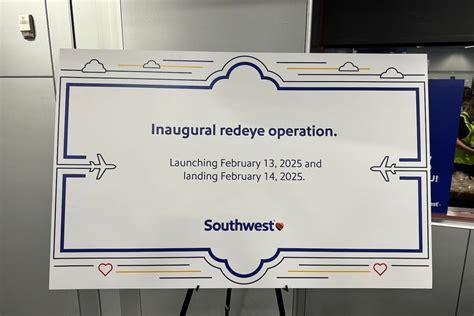
Southwest Airlines has entered a new era of overnight flying, breaking away from its decades-long tradition of keeping aircraft on the ground after midnight. The airline’s move into the red-eye flight market has introduced a collection of unusual late-night departures, including a record-setting 2:45 AM flight from Las Vegas Harry Reid International Airport (LAS) to Honolulu International Airport (HNL).
The newly announced Southwest service will begin in March 2027 and represents the carrier’s latest departure ever. While the route may create new opportunities for travelers heading to Hawaii, ultra-late departures are not always ideal for every passenger. Sleep schedules, airport accessibility, and arrival timing can make these flights challenging.
Southwest Airlines’ Latest Red-Eye Flight: Las Vegas to Honolulu at 2:45 AM
Southwest’s Las Vegas to Honolulu red-eye stands out as the airline’s most extreme overnight operation. The flight will leave LAS at 2:45 AM and arrive in Honolulu at 6:10 AM local time, with a scheduled block time of approximately six hours and 25 minutes.
The service will operate four times weekly and is designed as a reverse red-eye, meaning it travels westbound from the mainland to Hawaii. This type of overnight flight remains relatively uncommon because time-zone changes make eastbound overnight operations generally more favorable.
For Southwest, however, the schedule provides a strategic advantage. Instead of leaving a Boeing 737 parked overnight in Honolulu, the aircraft can arrive early in the morning and quickly return to mainland operations. This approach improves aircraft utilization while allowing the airline to expand its Hawaii network.
Although the departure time may appeal to travelers who want to maximize vacation time, a flight leaving before 3 AM requires careful planning. Passengers must consider transportation to the airport, security wait times, and the difficulty of arriving rested after traveling through the night.
The 5 Southwest Red-Eye Flights With the Latest Departure Times
Southwest’s five latest overnight departures are concentrated around Las Vegas and Phoenix, two important airports in the airline’s expanding network.
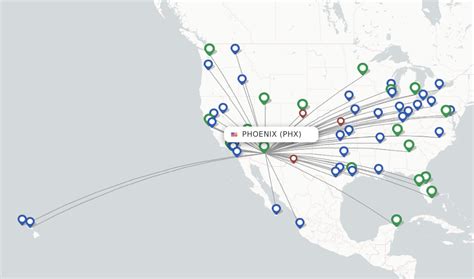
The latest departures currently scheduled include:
- Las Vegas (LAS) to Honolulu (HNL): 2:45 AM
- Phoenix (PHX) to Chicago Midway (MDW): 1:45 AM
- Las Vegas (LAS) to Dallas Love Field (DAL): 1:25 AM
- Las Vegas (LAS) to Houston Hobby (HOU): 1:15 AM
- Phoenix (PHX) to Nashville (BNA): 1:10 AM
Among these routes, the Phoenix-to-Chicago Midway flight may be particularly demanding because passengers arrive after sunrise following a night spent onboard. Meanwhile, Las Vegas departures create a unique challenge because many travelers are already dealing with late-night entertainment schedules, making a middle-of-the-night airport journey even more difficult.
Why Southwest Expanded Its Overnight Flight Network
Southwest’s decision to introduce red-eye operations marks a major change for the airline. For more than five decades, Southwest avoided regular overnight flying, following a business model that focused on daytime aircraft rotations.
That strategy changed in February 2025, when the airline launched its first red-eye flights. By June of the same year, Southwest had expanded its overnight schedule to dozens of daily flights, including services connecting Hawaii with the mainland.
The expansion reflects broader changes within the airline industry. Carriers increasingly rely on longer aircraft operating hours to improve efficiency, increase route options, and create more choices for passengers.
Red-eye flights also provide operational benefits. Aircraft that previously sat idle overnight can now generate additional revenue. For airlines facing rising costs and increasing competition, improving fleet productivity has become a major priority.
Who Should Avoid Southwest’s 2:45 AM and Other Late Flights?
While overnight flights can be useful, they are not suitable for everyone. Travelers who struggle with sleep on airplanes may find these departures exhausting, especially when combined with early-morning arrivals.
Families with young children, older travelers, and passengers with tight connections should carefully evaluate whether these schedules provide enough comfort and convenience.
A late-night departure may also create additional transportation challenges. Many airports reduce public transportation services overnight, leaving passengers dependent on taxis, rideshare services, or private vehicles. Arriving at the airport around 1 AM or earlier can also create fatigue before the journey even begins.
However, some travelers may find these flights attractive. Business passengers can save daytime hours, vacationers can arrive in Hawaii early enough to enjoy a full day, and passengers seeking lower fares may benefit from less popular departure times.
Southwest’s Growing Overnight Strategy
Southwest’s move into red-eye flying signals a broader transformation in how the airline manages its network. The carrier is adding more routes, increasing aircraft utilization, and experimenting with schedules that were previously outside its traditional operating model.
The 2:45 AM Las Vegas-Honolulu flight may be the most unusual example, but it represents a larger trend toward airlines using every available hour of the day.
For passengers, these flights offer more flexibility but require more preparation. A carefully planned overnight journey can be convenient, while an unprepared traveler may find the schedule exhausting.
As Southwest continues expanding its late-night network, more red-eye routes are likely to appear. Travelers should pay close attention to departure times, airport logistics, and personal sleep habits before booking these unconventional flights.