United Airlines has quietly executed one of the most consequential fleet strategy moves in the global aviation market, reshaping how long-haul growth will be defined for the next decade. By converting 56 Boeing 787-9 orders into the larger 787-10, the carrier is making a clear statement: in today’s constrained aviation environment, capacity efficiency now beats raw range. This is not a speculative bet or a reactionary adjustment. It is a calculated revenue play rooted in airport congestion, premium demand, and the hard economics of seat-mile costs.
The decision places United at the center of a broader industry shift that is accelerating rapidly. Airlines are discovering that the theoretical reach of ultra-long-range aircraft often goes unused, while larger cabins generate immediate financial returns on the routes that matter most. United’s move underscores how widebody strategy is evolving from geographic ambition to yield optimization.
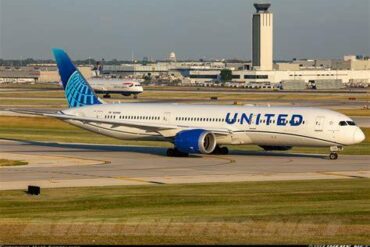
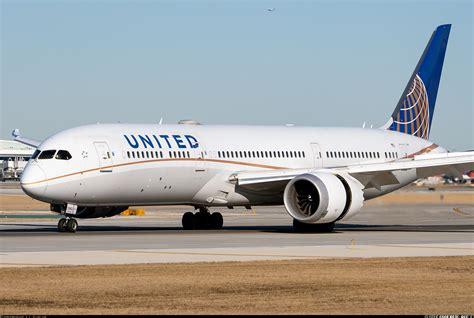
United already operates one of the world’s most diverse Dreamliner fleets, flying all three variants of the type. With 71 aircraft in service and 140 still on order, the airline has the scale to fine-tune its widebody mix in ways smaller carriers cannot. Until recently, every remaining delivery was slated as a 787-9. That uniformity is now gone, replaced by a deliberate split that favors higher-density flying where margins are strongest.
The Strategic Logic Behind United’s Dreamliner Rebalance
At the heart of United’s decision lies a fundamental truth about modern airline economics: revenue is increasingly constrained by physical infrastructure, not aircraft capability. Gates are scarce, slots are limited, and air traffic control systems across the US and Europe are stretched thin. In this environment, airlines win not by flying farther, but by flying fuller.
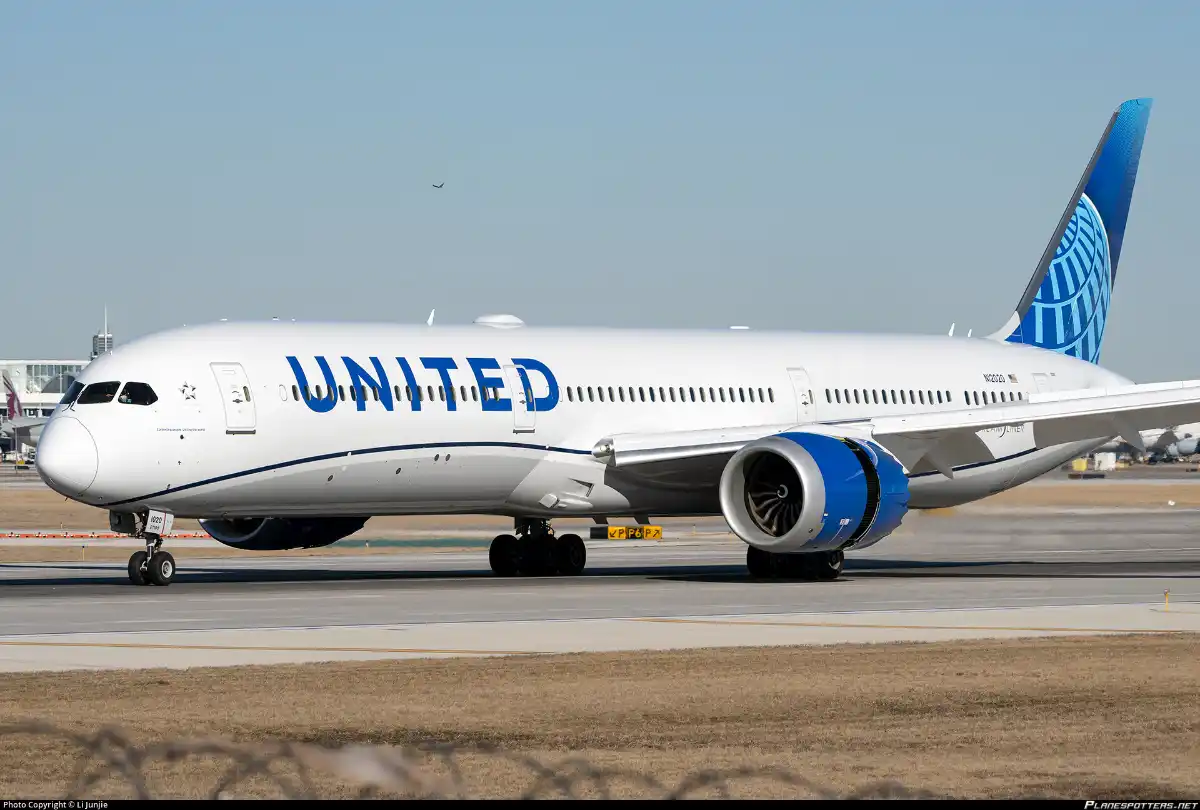
The Boeing 787-10 embodies this logic perfectly. While it sacrifices more than 1,200 nautical miles of range compared to the 787-9, it adds 18 feet of fuselage length, enabling significantly more seats without changing wings, engines, or pilot type ratings. For United’s configuration, that translates into 61 additional passengers per flight, a massive advantage on high-demand transatlantic routes.
Crucially, those extra seats come at a lower unit cost. Industry data consistently shows that the 787-10 delivers the lowest Cost per Available Seat Mile (CASM) of any widebody in its class. With operating costs hovering around $19.54 per seat hour, compared to $25.86 for the 787-9, the math is brutally clear. When demand exists, the larger aircraft simply prints better margins.
Why Range Matters Less Than It Used To
The romantic appeal of ultra-long-haul flying still captures headlines, but for network planners, it has become a niche consideration. United’s route structure makes this especially apparent. From hubs like Chicago O’Hare and Newark Liberty, the airline can reach virtually all of Europe comfortably with the 787-10, even with payload and weather considerations factored in.
For these missions, the extended range of the 787-9 offers little incremental value. What matters instead is how many premium seats can be sold, how much cargo can be loaded, and how efficiently each departure uses a scarce gate slot. The 787-10 excels on all three fronts, turning high-frequency markets into revenue engines rather than operational compromises.
This shift also reflects a broader reevaluation of what “right-sized” means in long-haul aviation. Airlines are no longer chasing the longest possible city pairs simply because technology allows it. They are focusing on routes with repeatable demand, strong corporate contracts, and resilient leisure traffic, where a larger aircraft consistently outperforms a longer-legged one.
Inside United’s Fleet Math and Configuration Dilemma
United’s existing 787-10s seat 318 passengers, nearly a hundred more than its newly refitted 787-9s, which now carry 222 seats under the airline’s “Elevated” interior concept. That retrofit dramatically increases Polaris business-class and Premium Plus seating, signaling United’s confidence in premium demand even during economic uncertainty.
The unanswered question is whether incoming 787-10s will retain that high-density layout or adopt a more premium-heavy configuration. Either option reinforces the aircraft’s value. A denser cabin maximizes revenue on slot-constrained routes, while a premium-biased layout pushes yields even higher on business-heavy corridors. The key is flexibility, and the 787-10 provides it without forcing trade-offs elsewhere in the fleet.
This flexibility becomes even more critical as United prepares to retire 74 aging Boeing 777-200s, many approaching three decades in service. The 787-10 is not just a Dreamliner variant; it is effectively the modern replacement for a generation of mid-sized widebodies, delivering similar capacity with dramatically lower fuel burn and maintenance costs.
Congestion Is the Hidden Driver of the 787-10 Boom
While fuel efficiency and seat economics dominate headlines, ground constraints are quietly shaping fleet decisions across the industry. Airports like O’Hare and Newark are no longer just busy; they are operational bottlenecks. Airlines that can move more passengers per movement gain an immediate competitive edge.
Scott Kirby, United’s CEO, has been explicit about this reality, calling the 787-10 a “phenomenal European airplane” precisely because it fits the airline’s most constrained markets. From Chicago alone, United’s 787-10s serve Frankfurt, Munich, Brussels, and other key Star Alliance hubs, routes where frequency growth is limited but demand remains strong.
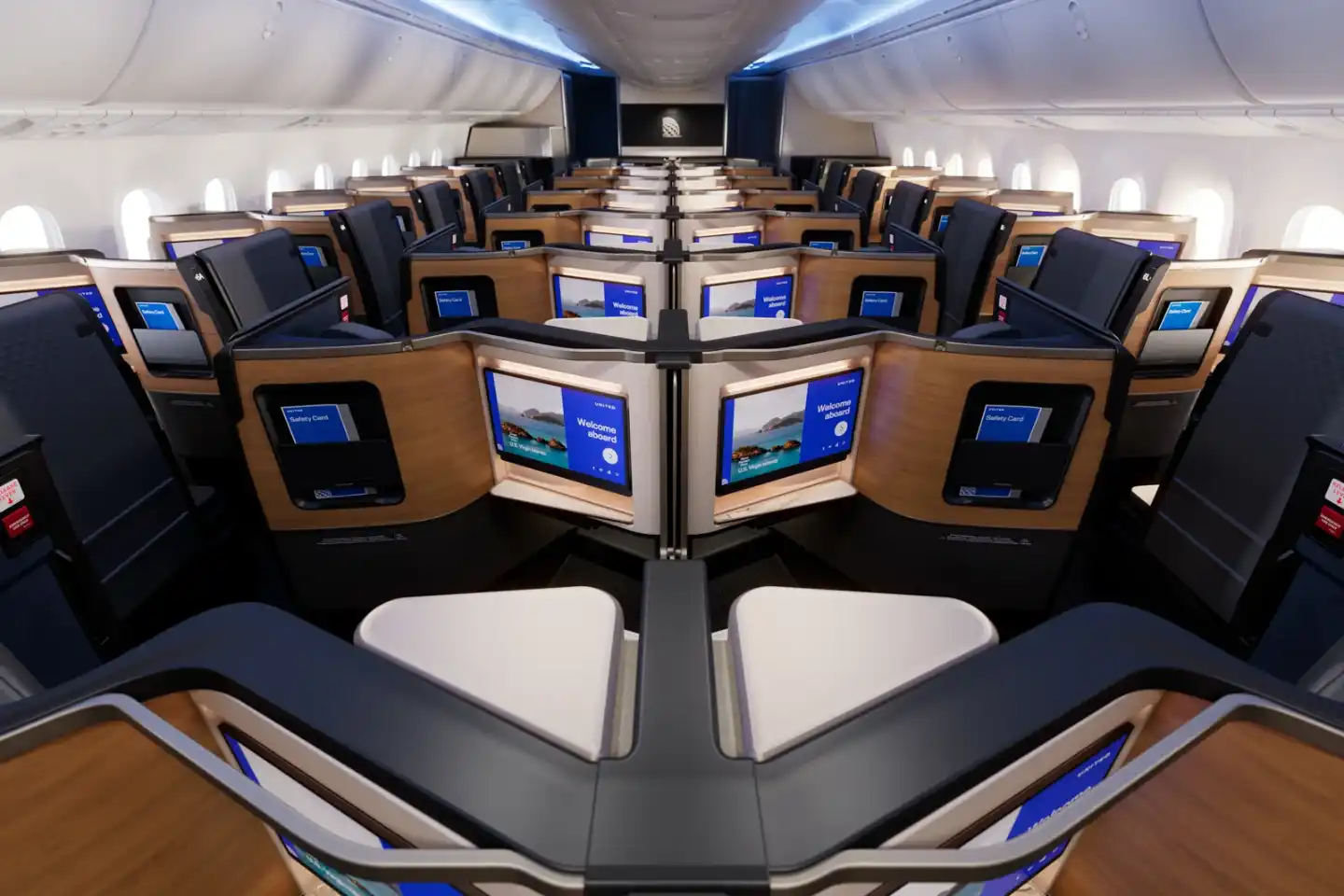
What makes the 787-10 especially compelling is its versatility. Beyond Europe, it operates to Hawaii, São Paulo, and Tokyo Narita, demonstrating that the aircraft’s reduced range is far from limiting in real-world networks. Instead, it encourages smarter deployment, aligning aircraft capability with actual market needs rather than theoretical extremes.
United Is Leading, but the Industry Is Following Fast
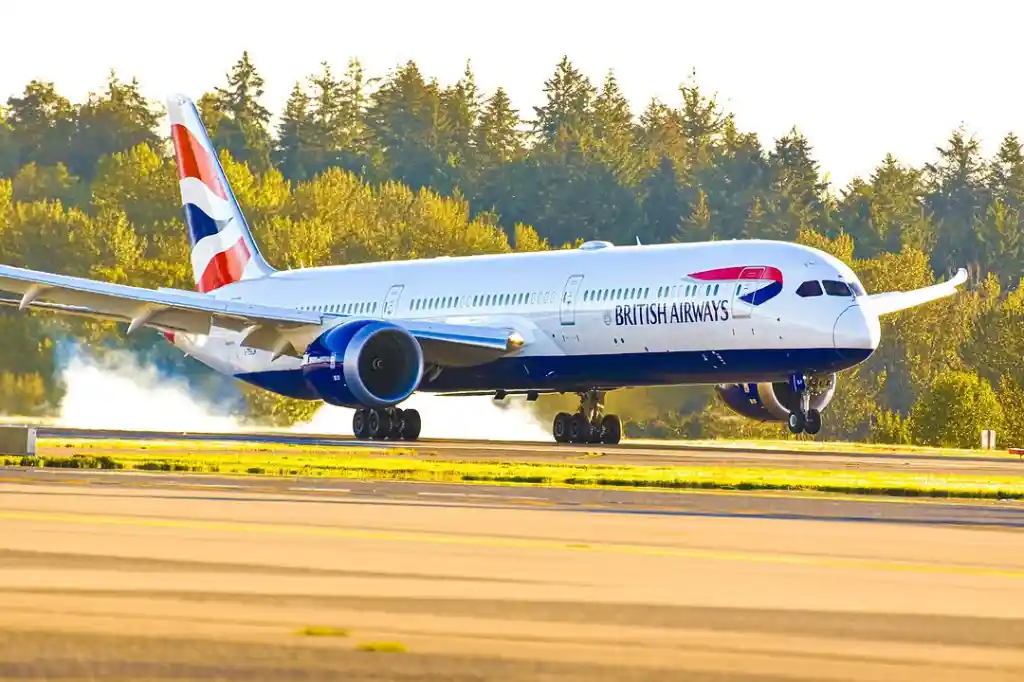
United’s confidence in the 787-10 is no longer an outlier position. In the past year alone, six airlines ordered a combined 150 aircraft, marking the strongest sales performance in the variant’s history. This surge includes major commitments from Qatar Airways, British Airways, Korean Air, and Turkish Airlines, each facing similar constraints and demand dynamics.
Perhaps the most telling endorsement came from Delta Air Lines, historically an Airbus-leaning carrier for widebodies. Its recent order for 30 787-10s, with options for 30 more, underscores how compelling the aircraft has become for transatlantic and South American networks. When rivals with divergent fleet philosophies converge on the same solution, the strategic signal is unmistakable.
The Bigger Message Behind United’s Trade-Off
United’s Dreamliner reshuffle is not about abandoning range; it is about prioritizing monetizable capacity. In an era defined by airport congestion, premium-heavy demand, and relentless cost scrutiny, the airline is aligning its fleet with the realities of modern aviation rather than outdated assumptions.
By trading range for revenue, United is positioning itself to extract more value from every departure, every slot, and every gate. The 787-10 is not merely a larger airplane; it is a strategic instrument designed for a world where growth is constrained, demand is concentrated, and efficiency defines competitive advantage. This is what long-haul success looks like now, and United is betting heavily that it will define the decade ahead.