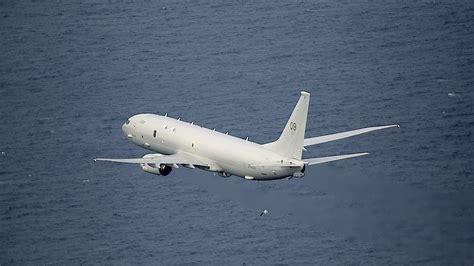
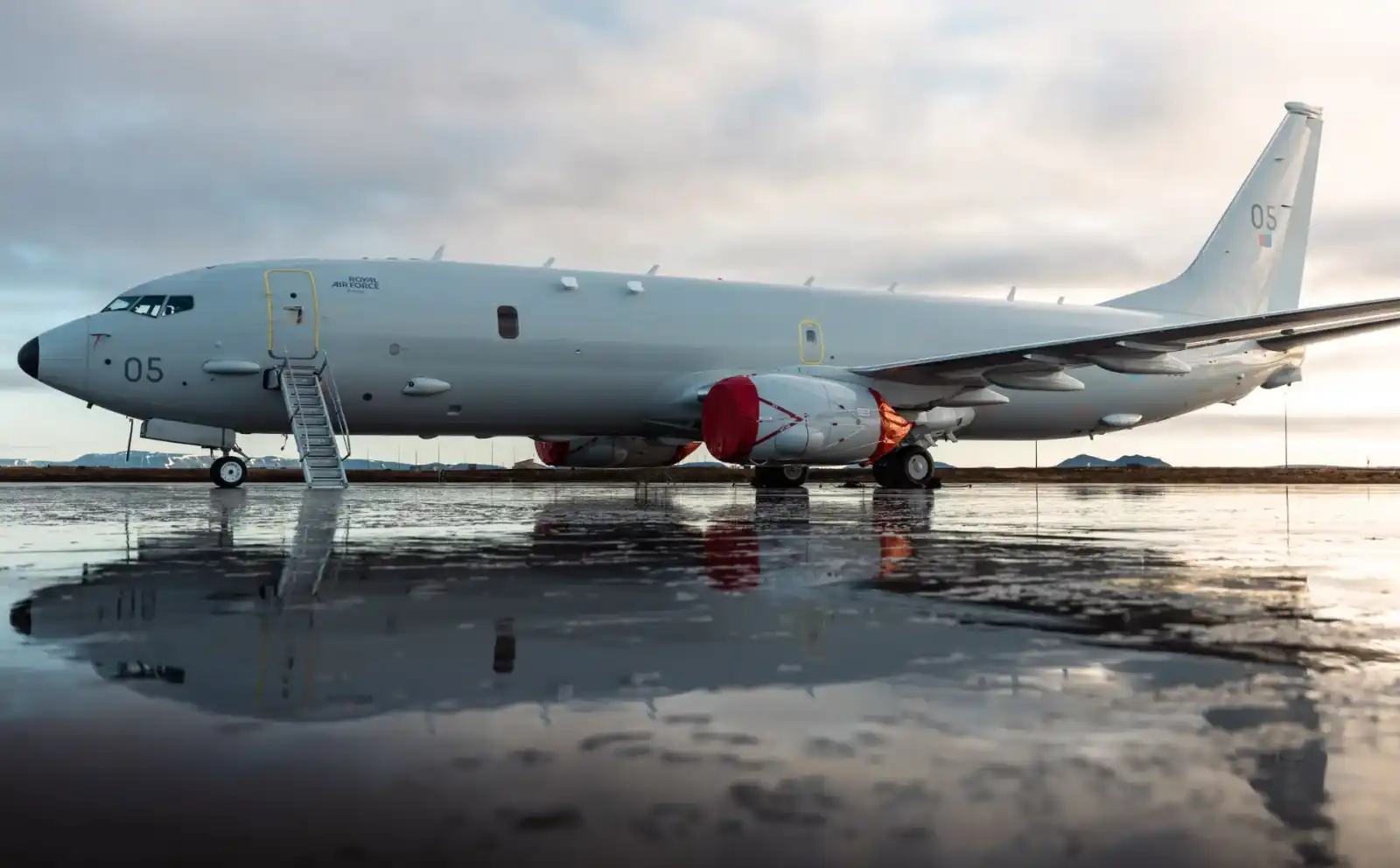
The British Royal Air Force (RAF) has reasserted its critical maritime surveillance role in the North Atlantic by deploying 120 Squadron and its formidable P-8A Poseidon maritime patrol aircraft to Keflavik Air Base in Iceland. This strategic positioning, announced officially on 18 November 2025, marks a renewed commitment to safeguarding undersea domains and monitoring adversarial movements, particularly across the Greenland-Iceland-UK (GIUK) gap — a corridor historically vital to transatlantic security.
This deployment is not just a routine rotation. It is a deliberate effort to reinforce NATO’s northern flank, reintroduce high-end anti-submarine warfare (ASW) capabilities, and maintain uninterrupted vigilance over the sea lanes linking North America and Europe.
Rebuilding UK’s Anti-Submarine Warfare Capabilities
The reestablishment of British ASW capabilities has been long awaited since the retirement of the Nimrod fleet more than a decade ago left a significant operational void. Today, nine P-8A Poseidon aircraft, jointly operated by 120 and 201 Squadrons from RAF Lossiemouth, form the bedrock of the UK’s maritime patrol aviation fleet. This deployment revives the RAF’s legacy role in the High North, leveraging cutting-edge technologies to fill critical surveillance gaps.
Keflavik, with its northern latitude and strategic location, enables Poseidon aircraft to launch missions swiftly across the GIUK gap. These patrols help detect submarine incursions, monitor suspicious surface vessels, and track patterns of Russian naval activity, ensuring comprehensive situational awareness.
Poseidon P-8A: Technological Dominance in Maritime Surveillance
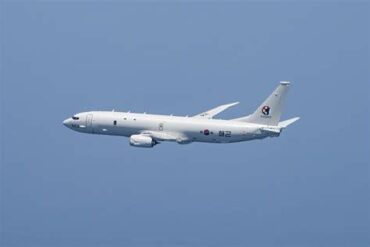
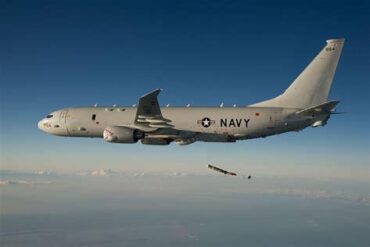
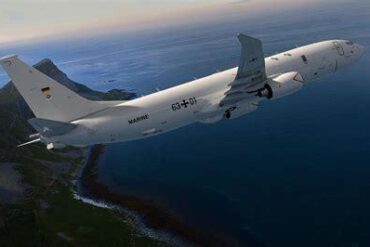
The P-8A Poseidon is more than a surveillance aircraft. Derived from the Boeing 737-800 airframe, it has been heavily modified for maritime operations with a reinforced structure, internal weapons bay, and advanced sensor integration systems.
Its standout specifications include:
- Cruise speed: ~440 knots
- Service ceiling: 41,000 feet
- Combat radius: ~1,200 nautical miles
- On-station time: Up to 4 hours for ASW missions
The Poseidon’s multi-sensor suite includes:
- AN/APY-10 multi-mode radar for surface surveillance and synthetic aperture imagery
- WESCAM MX-20HD electro-optical/infrared turret for visual identification
- AN/AQQ-2(V)1 acoustic processing system for underwater detection
- Capacity for up to 129 sonobuoys to listen for and pinpoint submarine signatures
This integrated architecture enables real-time fusion of visual, radar, and acoustic data, allowing RAF crews to detect, classify, and track undersea threats with high precision.
Armed Deterrence and Tactical Versatility
Beyond surveillance, the P-8A Poseidon carries an array of offensive payloads, making it a deterrent and combat asset. Internally, it carries Mk 54 lightweight torpedoes—ideal for engaging submerged threats. On wing pylons, it can be armed with AGM-84 Harpoon anti-ship missiles, adding surface strike capabilities.
Additionally, the aircraft can:
- Deploy naval mines for area denial
- Drop search and rescue supplies for allied operations
- Interface with NATO-wide Command and Control (C2) networks via secure data links
This modular capability reflects the Poseidon’s design as a force multiplier within interoperable NATO operations, enhancing doctrinal alignment between member states.
Testing NATO’s Agile Combat Employment in Harsh Environments
The Poseidon’s deployment to Iceland also serves as a practical testbed for NATO’s Agile Combat Employment (ACE) doctrine. Operating in austere environments like Keflavik requires units to generate sorties from lean detachments, minimize logistical dependencies, and maintain high technical availability with limited resources.
Operating under Emission Control (EMCON), crews manage sensor outputs and communication channels to reduce electronic detectability. Despite these constraints, intelligence gathered must still feed seamlessly into allied surveillance networks, necessitating disciplined radio procedures and robust data integration across space, naval, and air platforms.
Defending the GIUK Gap: A Renewed Strategic Imperative
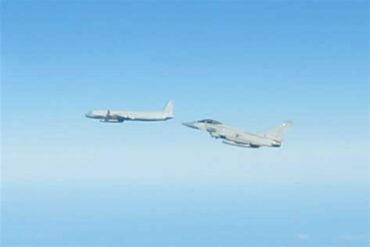
The GIUK gap has re-emerged as a strategic chokepoint in the 21st century’s evolving security landscape. Russian submarine activity remains persistent, and the risks to undersea infrastructure—especially telecommunication cables and energy pipelines—have escalated.
The Poseidon’s deployment aligns with broader NATO strategy to reinforce the Atlantic flank. With Arctic sea routes opening due to climate shifts, and tensions mounting over seabed sovereignty and freedom of navigation, NATO’s emphasis on persistent situational awareness has become paramount. For the UK, this mission bolsters its stature as a medium-sized power with global reach, contributing meaningfully to collective defence through specialized, high-end capabilities.
Interoperability and Intelligence Sharing Among NATO Allies
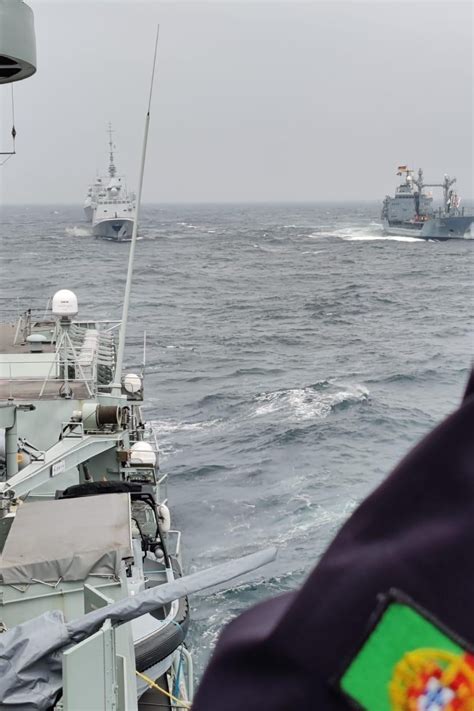
At the heart of this deployment is a robust framework for interoperability. The Poseidon’s architecture is designed to mesh seamlessly with other NATO platforms—whether that be U.S. Navy destroyers, Norwegian frigates, or Canadian maritime patrol aircraft.
This interoperability is facilitated by:
- Shared sensor standards
- Secure communication protocols
- Federated command and control systems
These commonalities support a composite recognised maritime picture (RMP) and ensure that tactical actions are coordinated across multinational task groups. The Poseidon acts not only as a hunter but as an information relay—strengthening NATO’s ability to act with speed and precision.
Strategic Signalling and National Commitments
The British deployment also sends a clear message to adversaries: that the North Atlantic is not undefended. The UK’s investment in modern maritime capabilities reaffirms its intent to remain a reliable contributor to NATO’s collective deterrence posture.
These regular rotations at Keflavik:
- Maintain close coordination with Icelandic authorities
- Build operational muscle memory with allied navies
- Reinforce shared threat awareness in the undersea domain
At a time when underwater sabotage and hybrid threats loom large, having persistent maritime domain awareness is no longer optional — it is essential.
Conclusion: Poseidon in the North Atlantic — A Sentinel Reawakened
The deployment of RAF 120 Squadron’s Poseidon aircraft to Iceland is a decisive step in reclaiming maritime dominance across the North Atlantic. It represents a calculated blend of technological prowess, strategic foresight, and operational readiness.
In the emerging age of undersea competition—where cables, infrastructure, and mobility corridors are under threat—the Poseidon stands as a guardian of the seabed, a hunter of silent adversaries, and a vital link in the chain of allied security stretching from Norfolk to Narvik.