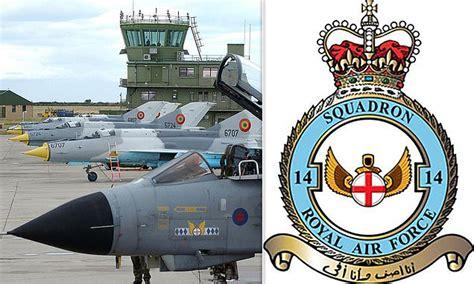
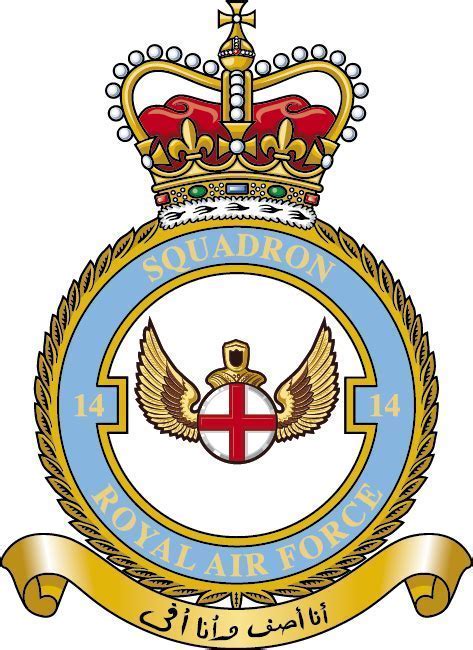
The Royal Air Force (RAF) has formally announced that its historic 14 Squadron will no longer use the nickname ‘Crusaders,’ a decision made following an internal complaint asserting that the term is offensive to Muslims. This change marks a significant shift for one of the RAF’s oldest and most esteemed units, which has carried the moniker for over a century.
Historical Legacy of 14 Squadron
Founded in 1915, 14 Squadron boasts a decorated history that has been closely intertwined with the Middle East. The nickname ‘Crusaders’ emerged naturally due to the squadron’s early operations during World War I, particularly its sorties over Gaza and Palestine. These missions forged a lasting association between the squadron and the region, embedding the term deeply into its identity.
The Crusades themselves were a series of religious wars waged between Christian and Muslim forces during the medieval era, primarily aimed at seizing and controlling sacred sites in the Holy Land. While the term ‘Crusader’ was historically embraced by Western forces as a symbol of resolve and spiritual mission, it carries deeply negative connotations for many in the Muslim world, evoking memories of violence and occupation.
A Complaint That Sparked Change
The decision to retire the nickname was prompted by a single complaint lodged by an RAF crew member. According to sources reported by the Mail on Sunday, the matter was taken seriously at the highest levels of command. A senior officer reviewed the case and ultimately upheld the complaint, instructing the squadron to remove all references to ‘Crusaders’ from its premises, including signage and materials around the hangar.
This move has not been without controversy. Some members of the squadron expressed disappointment over the decision, emphasizing the historical significance of the nickname and asserting that it was never intended to offend. One aviator remarked, “If they’d have asked members of the squadron, rather than dictating this change, almost everyone would have been in favour of retaining ‘Crusaders,’ because it is so much part of our history.”
Balancing Tradition with Modern Values
The RAF’s official stance reflects a broader commitment to maintaining values of inclusivity and cultural sensitivity in today’s diverse military environment. An RAF spokesperson explained, “As a modern and diverse service, our focus must be on not giving prominence to any offensive term that goes against the values of the Royal Air Force. Therefore, 14 Squadron have ceased using their historic unofficial nickname.”
The statement acknowledges that while informal nicknames have long been a cherished aspect of RAF culture, not all such terms are suitable for contemporary use. Officials have signaled that the review of historic terminology is ongoing, and additional changes to traditional squadron identifiers may be forthcoming.
The Tension Between Heritage and Progress
The situation has sparked a broader debate about the tension between preserving military heritage and aligning with evolving societal norms. Critics argue that such moves risk erasing valuable historical context and traditions that form the backbone of the RAF’s identity. Others contend that, as public institutions, military organizations must adapt to reflect the values of the modern societies they serve.
This debate is not unique to the RAF. Similar discussions have taken place across various branches of armed forces globally, as military units reassess their symbols, mottos, and nicknames in light of contemporary cultural sensitivities. The U.S. military, for example, has undertaken initiatives to rename bases and remove Confederate symbols, reflecting a parallel process of institutional change.
Reactions Within the Military Community
Feedback from within the RAF community has been mixed. While many understand the rationale for the change, there is a palpable sense of loss among veterans and serving personnel who feel a deep connection to the squadron’s storied past. Squadron historians highlight that the nickname was integral not only to morale but also to the squadron’s esprit de corps during challenging missions, including roles in the 1991 Gulf War and operations in Kosovo in 1999.
In the words of a former squadron member, “Every squadron, every regiment has a past. But if that past doesn’t suit current thinking it will be erased.” This sentiment underscores the complex emotions stirred by such decisions, reflecting the broader cultural crossroads at which many military institutions now find themselves.
Looking Ahead
The RAF’s commitment to inclusivity and its efforts to adapt historic traditions to fit modern expectations underscore a critical balancing act. While 14 Squadron’s operational capabilities remain unchanged, the retirement of the ‘Crusaders’ nickname signals a deeper, symbolic shift in how military heritage is reconciled with present-day values.
It is expected that 14 Squadron will continue its missions under its official title, while the RAF as a whole remains engaged in a broader review of its historical references. As military organizations worldwide navigate similar cultural challenges, the RAF’s approach may serve as a bellwether for how traditional institutions can evolve while honoring their legacies.
In conclusion, the decision to drop the ‘Crusaders’ nickname reflects a deliberate effort by the RAF to align its practices with the principles of respect and cultural awareness. Whether this move will be seen by future generations as a necessary step forward or as an overcorrection remains to be seen, but it is undeniably a defining moment for 14 Squadron and the Royal Air Force at large.