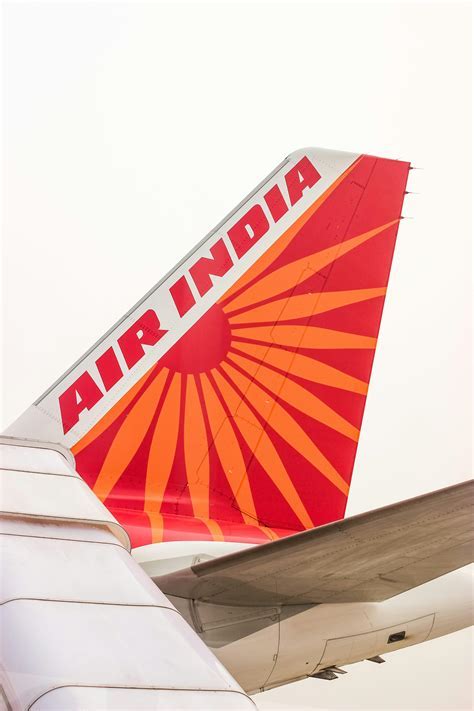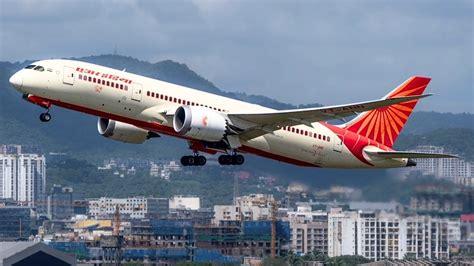
Air India has announced a pivotal shift in its UK operations, officially terminating all services to London Gatwick Airport (LGW) by August 2025. This move, driven primarily by the ongoing grounding of several Boeing 787 Dreamliners, represents a broader strategic recalibration aimed at enhancing operational efficiency and preparing the airline for long-term global competitiveness.
The suspension of flights to Gatwick is not merely a reactive measure. It underscores a deeper restructuring effort within Air India’s international network—a realignment that prioritizes profitability, operational simplicity, and premium market positioning. The decision consolidates all London-bound operations at London Heathrow Airport (LHR), a globally significant hub that offers enhanced connectivity and more robust infrastructure.
Air India’s Strategic Exit from Gatwick: A Calculated Retreat
Air India’s Gatwick operations, which previously included popular routes to Amritsar (ATQ), Goa (GOX), and Ahmedabad (AMD), have gradually declined in frequency over recent months. By August 2025, all services from LGW will cease entirely. This includes the Ahmedabad-Gatwick route, which is set to shift to Heathrow with a revised frequency of three times weekly.
This change is not isolated to London-Ahmedabad services. In tandem, Air India will also reduce its Bengaluru-Heathrow frequency from daily to four times weekly. These decisions are being made to optimize aircraft usage amidst an acute widebody aircraft shortage—particularly the Boeing 787-8 Dreamliner, of which a considerable portion remains grounded due to technical issues.
Boeing 787 Groundings and Their Ripple Effect
The ongoing technical challenges with the Boeing 787 fleet have significantly curtailed Air India’s capacity to operate long-haul routes. With fewer aircraft available, the airline has been compelled to prioritize higher-yield destinations, a strategic necessity rather than a choice. Heathrow, with its superior infrastructure and global connectivity, naturally becomes the focal point.
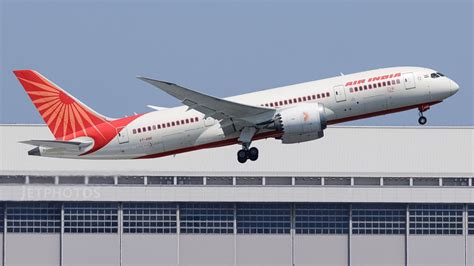
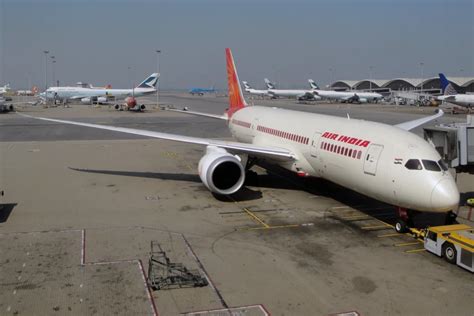
The 787-8 Dreamliner, once considered a game-changing aircraft for mid-sized long-haul operations, has become a logistical bottleneck. Ongoing supply chain disruptions and engineering concerns have left a segment of Air India’s fleet idle. As a result, routes with lower yields or operational complexities—such as those from secondary airports like Gatwick—have become unsustainable.
Why Heathrow? A Strategic Repositioning for Premium Growth
Air India’s move to consolidate at Heathrow isn’t just about convenience—it’s a deliberate pivot toward market strength, brand repositioning, and yield maximization. Heathrow offers significant advantages:
- Stronger Premium Demand: Business and first-class demand is markedly higher at LHR compared to LGW.
- Better Connectivity: Passengers benefit from global onward connections via Star Alliance and other codeshare partners.
- Operational Efficiency: Shared services, cargo handling, and maintenance are more streamlined at Heathrow.
Furthermore, Heathrow’s brand equity among international travelers aligns better with Air India’s ambition to reposition itself as a premium full-service carrier post-TATA Group takeover.
Resource Reallocation and Southeast Asian Opportunities
With Gatwick off the map, Air India now has greater flexibility to reassign its scarce 787 assets to routes that promise better returns. Southeast Asia, a region characterized by strong business and diaspora travel, stands to benefit. Countries like Singapore, Thailand, and Malaysia offer both high passenger volumes and cargo yields, especially during peak travel periods.
This reallocation also helps Air India resolve payload restriction issues that plagued certain long-haul services operating at maximum range and capacity. With more optimized routes and fewer aircraft stuck on underperforming sectors, the airline can better manage its operational stability.

The Bigger Picture: A Global Trend of Strategic Consolidation
Air India’s retrenchment from Gatwick mirrors a global shift in airline network strategy. As fleet availability tightens and fuel costs soar, many carriers are focusing on high-demand hubs while dropping marginal routes. The days of sprawling networks with low-frequency services are fading in favor of hub-focused, high-utilization models.
Air India’s renewed Heathrow strategy follows this philosophy. It enables the airline to:
- Maximize crew and aircraft utilization
- Improve schedule reliability and maintenance efficiency
- Strengthen its brand in competitive transcontinental markets
Such consolidation isn’t regression; it’s tactical progress.
Long-Term Growth Still the Target: TATA Group’s Vision
Despite the short-term scaling down of certain routes, Air India’s leadership remains committed to long-term global growth. The TATA Group, which acquired Air India in 2022, has laid out plans to modernize the airline’s fleet and expand its international footprint substantially in the coming years.
Central to this vision is a fleet modernization strategy that involves:
- Phasing out older aircraft
- Introducing new-generation widebodies
- Increasing efficiency through technology and training
With more next-gen aircraft, Air India will be positioned to serve underserved long-haul markets, improve passenger experience, and strengthen its image as India’s flagship global airline.
India’s Aviation Future Hinges on Strategic Hubs
While the Heathrow consolidation is a tactical response to current fleet limitations, the larger strategy must include developing India’s domestic aviation ecosystem. For Air India to truly become a global leader, it must be backed by a national system of competitive hubs.
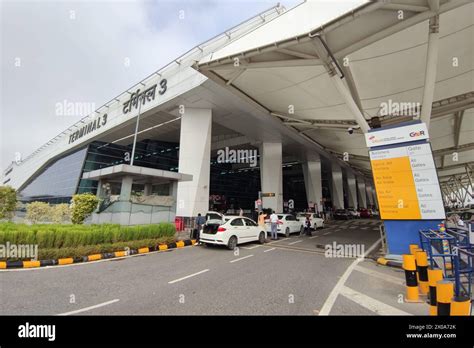
India currently needs at least three internationally competitive full-service carriers, each anchored by powerful hub airports. Delhi, Mumbai, and Bengaluru are natural candidates, but secondary airports like Chennai and Kolkata should also be developed into robust international gateways.
Challenges That Remain:
- Stiff competition from Gulf carriers and global alliances
- Infrastructure constraints at certain Indian airports
- High taxation and regulatory hurdles that inflate operational costs
Air India’s international ambitions must therefore be matched by domestic aviation reforms, private investment, and smart government policies.
Marketing Implications: Shedding the “Secondary” Label
The pivot away from Gatwick also carries important brand perception consequences. By aligning its European operations with Heathrow, Air India is sending a clear message: it is committed to operating from premium, high-visibility hubs that enhance its global stature.
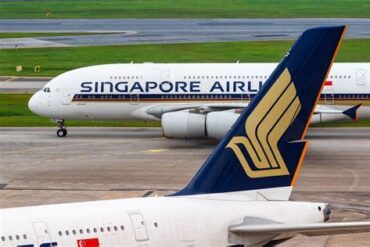
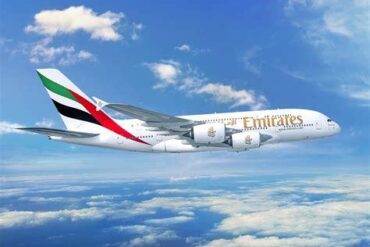
This transition helps Air India move away from the image of a budget-conscious, government-run airline, and toward a modern, competitive full-service carrier with aspirations to rival the likes of Emirates, Singapore Airlines, and British Airways.
Such brand repositioning is critical in high-yield markets like Europe and North America, where passenger loyalty, brand trust, and service perception drive bookings.
Conclusion: A Necessary Step on the Road to Revival
Air India’s withdrawal from London Gatwick is not a retreat—it’s a strategic regrouping. Amid the grounding of key aircraft and rising global competition, the airline is choosing to invest in routes and hubs that deliver greater value, reliability, and brand impact.
This consolidation is about more than fleet shortages. It’s a signal of Air India’s broader transformation under the TATA Group—a transformation centered on operational excellence, strategic growth, and premium service delivery.
By concentrating operations at Heathrow, reallocating its fleet wisely, and aligning with long-term market demand, Air India is building the foundations of a resilient and competitive future in global aviation.