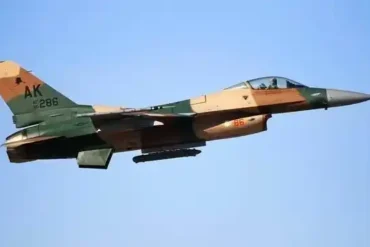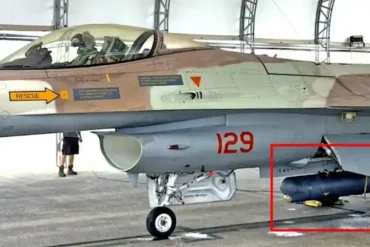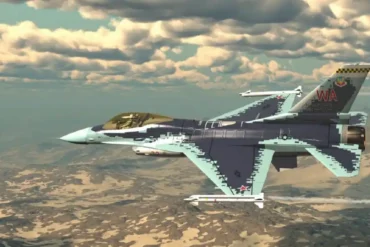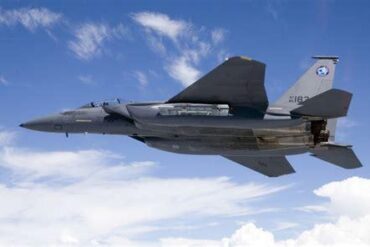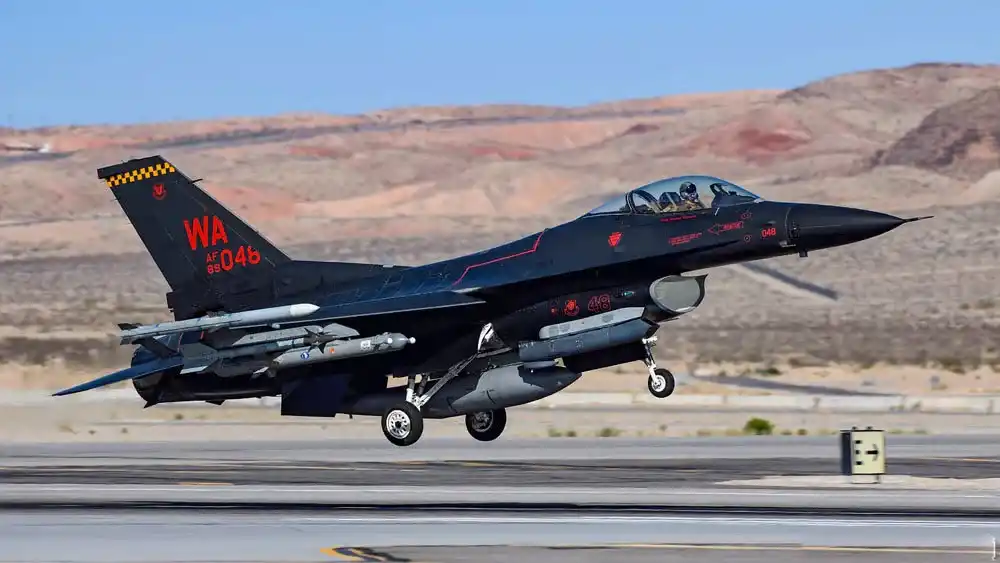
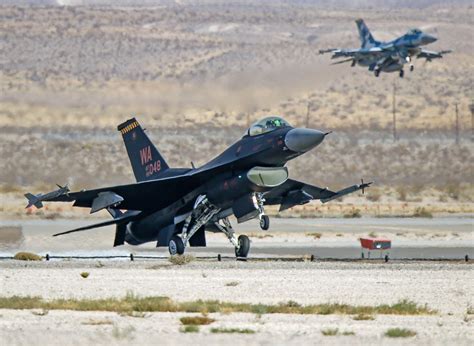
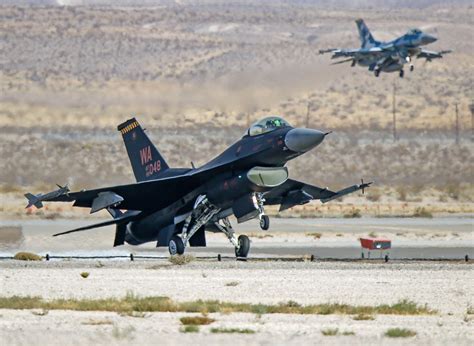
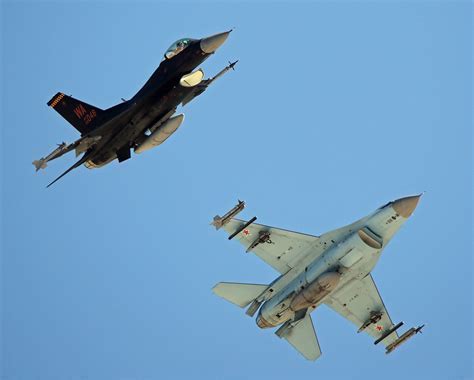
The F-16 “Wraith” is a highly specialized variant of the F-16C Block 42 used by the 64th Aggressor Squadron of the United States Air Force (USAF). Tasked with replicating potential adversaries’ tactics and technologies, these aircraft play a vital role in enhancing air combat training. With advanced avionics, upgraded radar systems, and a distinctive low-visibility livery, the “Wraith” is an essential asset in preparing American pilots for future high-threat engagements.
64th Aggressor Squadron: Role and Mission
Simulating Enemy Tactics
The 64th Aggressor Squadron (64th AGRS) is stationed at Nellis Air Force Base, Nevada, and serves as a premier adversary air training unit. Its mission is to emulate enemy tactics, techniques, and procedures (TTPs), providing USAF and allied pilots with realistic combat scenarios. These scenarios often mirror the air combat strategies of near-peer adversaries such as China and Russia.
High-End Threat Simulation
To maximize combat readiness, the F-16 “Wraith” is used to simulate fifth-generation threats, including the Chinese J-20 and Russian Su-57. By employing advanced electronic warfare (EW) techniques, deceptive maneuvers, and low-visibility coatings, the “Wraith” presents a formidable challenge for trainees in Red Flag exercises and Weapons School courses.
Technical Characteristics of the F-16C Block 42 “Wraith”
Stealth-Optimized Livery
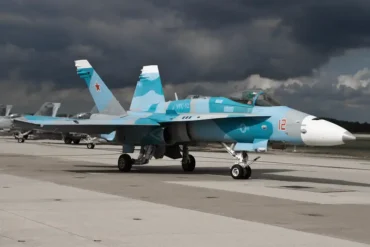
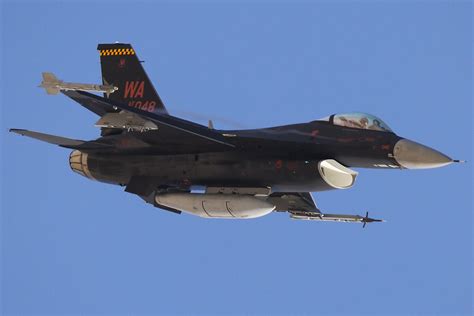
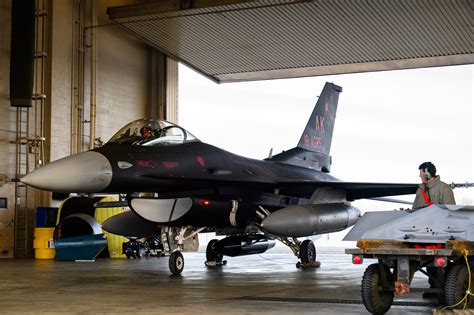
One of the most distinctive aspects of the F-16 “Wraith” is its unique paint scheme. The aircraft is coated in a deep gray or blue-gray low-visibility camouflage, designed to reduce visual detection and mimic radar reflection characteristics of stealth fighters. This livery enhances the realism of training exercises by closely resembling adversary aircraft.
Upgraded Avionics and Systems
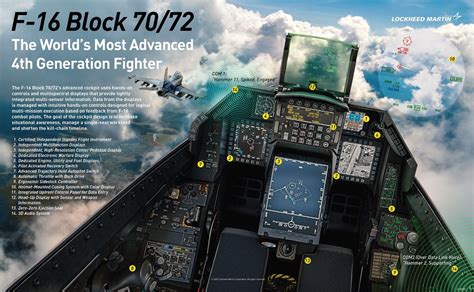
The F-16C Block 42 “Wraith” has undergone extensive modernization to stay relevant against evolving threats. Some of the key technological enhancements include:
- AN/APG-83 AESA Radar: The active electronically scanned array (AESA) radar improves target acquisition range by 30%, enhances multi-target tracking, and supports advanced electronic warfare countermeasures.
- Advanced Electronic Countermeasures (ECM): The “Wraith” integrates cutting-edge electronic warfare (EW) suites, simulating enemy jamming techniques and countermeasures.
- Expanded Weapons Compatibility: Equipped to carry AIM-9X Sidewinder, AIM-120 AMRAAM, and AGM-88 HARM anti-radiation missiles, allowing it to emulate enemy suppression of air defenses (SEAD) tactics.
Evolution and Modernization
Origin and Development
The F-16C Block 42 aircraft used in the 64th Aggressor Squadron were originally assigned to the 24th Tactical Air Support Squadron (TASS) before transitioning into an adversary air role. With the emergence of fifth-generation fighters, the USAF saw the necessity of modernizing these platforms to train against high-end threats.
Service Life Extension Program (SLEP)
To ensure the continued effectiveness of these aircraft, the Service Life Extension Program (SLEP) was implemented. This initiative aims to extend the operational lifespan of the F-16 “Wraith” until 2048, incorporating:
- Structural reinforcements to withstand high-G combat training
- Software and hardware updates for advanced combat simulation
- Integration of improved data link systems for network-centric warfare
Training Exercises and Operational Impact
Red Flag and Weapons School Integration
The F-16 “Wraith” is heavily involved in Red Flag exercises, a premier USAF combat training event designed to prepare pilots for real-world combat scenarios. It also plays a crucial role in Weapons School, where elite pilots learn to master air combat tactics against simulated enemy threats.
Collaboration with Other Aggressor Units
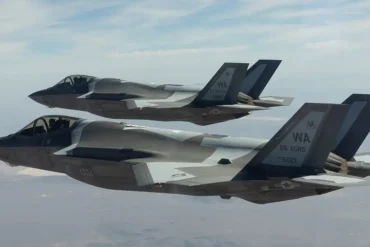
To replicate modern air warfare environments, the 64th AGRS collaborates with other aggressor squadrons, including units flying F-35A fighters. This multi-platform threat simulation enhances the effectiveness of joint-force air combat training.
Performance Specifications of the F-16C Block 42 “Wraith”
| Feature | Specification |
|---|---|
| Engine | Pratt & Whitney F100-PW-229 |
| Afterburner Thrust | 129.6 kN |
| Maximum Speed | Mach 2.0 |
| Instantaneous Turn Rate | 25.5° per second |
| Service Ceiling | 15,239 meters (50,000 feet) |
| Combat Radius | 550 km (without external tanks) |
| Ferry Range | 3,800 km (with external tanks) |
Global Influence and Strategic Importance
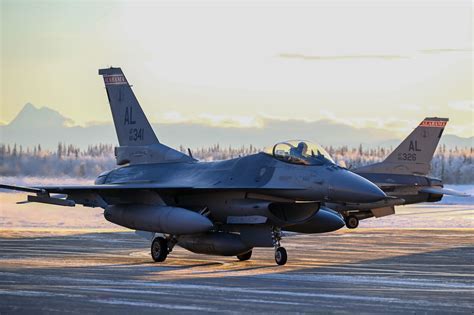
Beyond Nellis Air Force Base, the F-16 “Wraith” is occasionally deployed to Alaska and other forward-operating locations for joint-force training exercises. This training has directly contributed to combat readiness in theaters such as Syria and Ukraine, ensuring USAF pilots maintain a superior tactical advantage over potential adversaries.
Conclusion
The F-16 “Wraith” is an indispensable asset for the United States Air Force, providing realistic adversary training that enhances pilot proficiency and combat readiness. With its stealth-optimized livery, cutting-edge avionics, and aggressive combat simulations, the Wraith ensures that American and allied forces remain prepared for future aerial conflicts. As the USAF continues its modernization initiatives, the F-16 “Wraith” will remain a crucial element in the ever-evolving landscape of air combat training.
Frequently Asked Questions (FAQ)
What makes the F-16 “Wraith” different from a standard F-16?
The F-16 “Wraith” features a unique low-visibility paint scheme, advanced electronic warfare systems, and an upgraded AESA radar. It is specifically designed for aggressor training, simulating adversary aircraft tactics and capabilities.
How long will the F-16 “Wraith” remain in service?
Due to the Service Life Extension Program (SLEP), the F-16 “Wraith” is expected to remain operational until 2048, ensuring its continued role in high-end combat training.
What kind of training does the F-16 “Wraith” participate in?
The F-16 “Wraith” is actively involved in Red Flag exercises, Weapons School courses, and joint-force training operations, providing USAF pilots with realistic combat scenarios to enhance battlefield readiness.