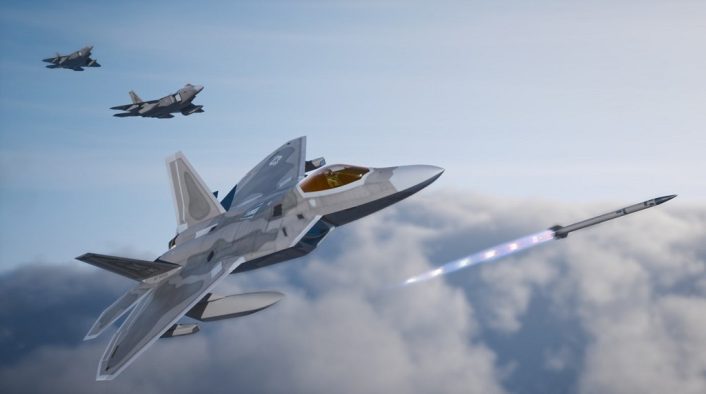
The F-22 Raptor, recognized as the pinnacle of U.S. air superiority, continues to receive critical upgrades to sustain its dominance in modern warfare. One of the most significant advancements is the integration of stealthy external fuel tanks, designed to extend the aircraft’s range while maintaining its low-observable (LO) profile. This innovation is particularly essential for operations in expansive theaters like the Indo-Pacific, where range limitations previously posed strategic challenges.
Design and Features of the Stealthy External Fuel Tanks
Low-Observable (LO) Design
Unlike traditional external fuel tanks, which significantly increase an aircraft’s radar cross-section (RCS), the new Low Drag Tank and Pylon (LDTP) system incorporates an angular, multi-faceted design that minimizes radar reflections. This stealth-optimized shape ensures seamless integration with the F-22’s stealth architecture, reducing its detectability while in flight.
Integrated Pylon System
A unique feature of the LDTP system is its fully jettisonable pylon, which is discarded along with the empty tank. Unlike conventional external fuel tanks that leave behind a radar-reflective pylon after detachment, this innovative design ensures that the F-22 remains fully stealth-capable after dropping its tanks, a critical requirement for penetrating contested airspace.
Aerodynamic Enhancements
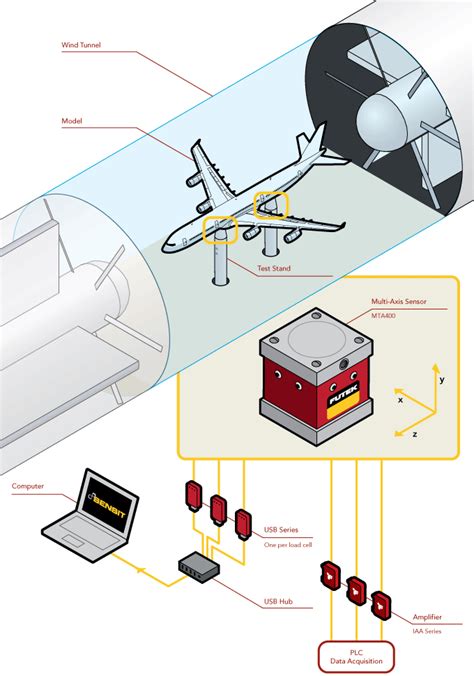
Aerodynamic optimization is another critical factor in the LDTP’s design. These tanks are engineered to reduce drag, enhancing fuel efficiency and flight performance. Rigorous wind tunnel testing and flight trials, conducted in 2024, validated these improvements. The system is expected to receive full operational certification by 2025.
Operational Benefits of Stealthy External Fuel Tanks
Extended Combat Range
With external tanks, the F-22’s combat radius expands significantly beyond its standard 1,850 miles. This increase is crucial for long-range operations, particularly in the Pacific theater, where China’s growing military presence necessitates extended operational reach. The added fuel capacity allows the F-22 to perform deep-strike missions and prolonged air patrols without frequent aerial refueling.
Survivability in Contested Airspace
One of the major limitations of traditional external fuel tanks is their detrimental effect on stealth capabilities. However, the LDTP system allows the F-22 to retain its stealth characteristics even when carrying additional fuel, enabling it to operate within highly defended enemy airspace without significant vulnerability to radar detection.
Mission Flexibility and Adaptability
The LDTP tanks grant unparalleled operational flexibility. Pilots can engage in long-range patrols or reconnaissance missions while still being able to discard the tanks and pylons before entering hostile zones. This adaptability ensures that the F-22 can transition between roles without sacrificing its stealth superiority.
Development and Integration of the LDTP System
Testing and Certification
The LDTP system has undergone rigorous testing phases, including:
- Ground and wind tunnel testing to validate aerodynamics
- Flight trials to assess fuel efficiency and stealth characteristics
- Operational stress tests to ensure durability under combat conditions
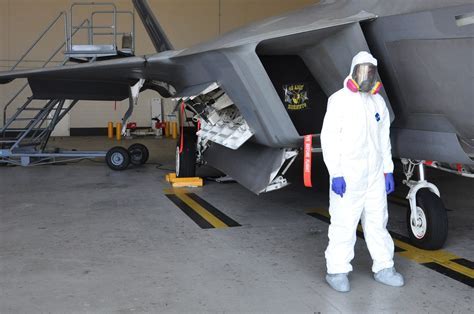
As part of a $10 billion modernization initiative, these tanks will be integrated into 27 upgraded F-22 Raptors, reinforcing the USAF’s long-term air superiority strategy.
Cost-Efficiency and Sustainability
Despite the high cost of previous F-22 enhancements, the LDTP project has been designed with cost-efficiency in mind. The production and maintenance of these tanks align with the USAF’s effort to sustain the F-22 fleet without excessive financial strain. This is particularly important given the budgetary constraints that contributed to the early termination of F-22 production.
Strategic Implications of Stealthy External Fuel Tanks
Countering Emerging Threats
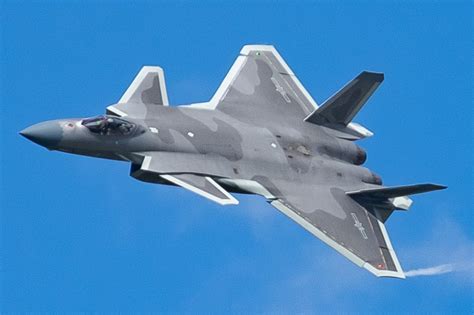
With competitors like China’s J-20 Mighty Dragon and Russia’s Su-57 Felon advancing their fifth-generation stealth fighter programs, it is imperative that the F-22 retains its technological edge. The LDTP tanks extend the Raptor’s operational effectiveness, ensuring it remains a credible deterrent against these emerging threats.
Bridging the Gap to NGAD
The Next-Generation Air Dominance (NGAD) program, projected to replace the F-22, is still in its early phases. The LDTP tanks extend the Raptor’s service life, allowing it to remain combat-relevant until sixth-generation fighters are fully operational. This incremental enhancement ensures the USAF maintains a dominant air combat capability in the interim.
Limitations and Considerations
Energy Management Challenges
Although stealth tanks address range limitations, they do not resolve all tactical vulnerabilities. Past exercises, such as Red Flag Alaska, demonstrated that the F-22’s reliance on thrust vectoring in close-range dogfights can lead to rapid energy depletion, making it vulnerable in prolonged within-visual-range (WVR) combat.
Increased Maintenance Demands
The F-22’s stealth coatings and advanced materials already require meticulous upkeep. While the LDTP tanks have been designed to minimize additional maintenance complexity, their integration may still contribute to higher sustainment costs.
Conclusion
The development of stealthy external fuel tanks for the F-22 Raptor marks a crucial advancement in modern air combat. By extending operational range while preserving stealth, these enhancements significantly increase mission effectiveness. As the USAF continues to modernize its fleet, the LDTP system stands as a testament to strategic innovation, ensuring the F-22 remains the world’s premier air superiority fighter.
FAQ
1. How do the stealthy external fuel tanks maintain the F-22’s low observability?
The LDTP system features an angular, multi-faceted design that reduces radar reflections. Additionally, its jettisonable pylon prevents radar-detectable remnants from being left behind after detachment, ensuring the F-22 retains full stealth capabilities.
2. What operational advantages do these fuel tanks provide?
The LDTP tanks extend the F-22’s combat range, allowing it to conduct long-range missions without frequent refueling. This capability is critical for operations in the Pacific and other large theaters where distance is a major strategic factor.
3. When will the stealthy external fuel tanks become operational?
The LDTP system completed wind tunnel and ground testing in 2024 and is expected to achieve full operational certification by 2025. Deployment will initially occur on 27 upgraded F-22 Raptors as part of the USAF’s modernization program.