The F-16 Fighting Falcon, a multi-role fighter aircraft, is renowned for its agility, combat effectiveness, and advanced avionics. One of its critical operational aspects is its external fuel tank capacity, which directly impacts mission range, endurance, and strategic flexibility. This article explores the external fuel storage options available for the F-16, including Conformal Fuel Tanks (CFTs) and traditional wing-mounted external fuel tanks, comparing their capacities, benefits, and combat implications.
Conformal Fuel Tanks (CFTs) for the F-16
Fuel Capacity and Range Enhancement
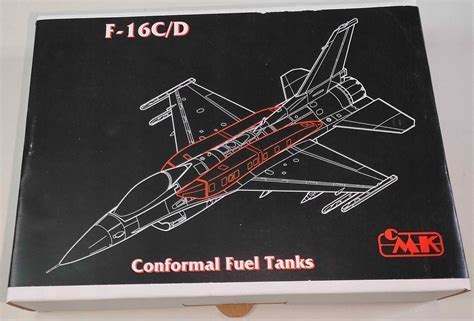
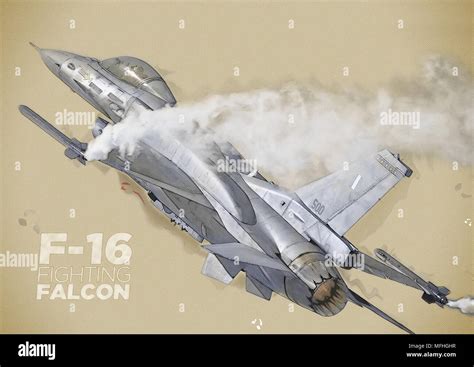
The Conformal Fuel Tanks (CFTs) are aerodynamically shaped external fuel tanks mounted on the upper fuselage of the F-16. These tanks significantly enhance the aircraft’s operational range by providing an additional 1,300 kilograms (2,866 lbs) of fuel. This increase extends the F-16’s range by approximately 250 to 300 nautical miles (463-556 km), making it a critical upgrade for long-range missions.
Design and Fuel Flow Efficiency
Unlike traditional underwing fuel tanks, the CFTs are designed to integrate seamlessly with the fuselage, reducing aerodynamic drag. Fuel from these tanks flows directly into the main fuel system via gravity, eliminating the need for fuel pumps, which are required for traditional wing-mounted tanks. This gravity-fed mechanism ensures higher fuel efficiency and reduced residual fuel waste.
Impact on Aircraft Performance
CFTs provide an excellent balance between increased range and minimal impact on performance. The installation of CFTs results in a speed reduction of less than 10 knots, which is significantly lower than the drag penalty associated with underwing fuel tanks. Furthermore, these tanks do not occupy the wing hardpoints, preserving the F-16’s weapon-carrying capability.
Traditional Wing-Mounted External Fuel Tanks
Fuel Capacity and Configuration
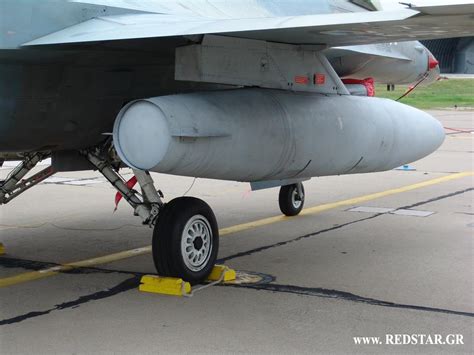
The F-16 is commonly equipped with two 600-gallon (2,271-liter) wing-mounted external fuel tanks. These tanks significantly extend the aircraft’s range by adding approximately 1,400 to 1,500 kilograms (3,086–3,307 lbs) of fuel per tank, though variations exist depending on the fuel density and specific tank model.
Operational Trade-offs
While wing-mounted external fuel tanks provide a substantial fuel increase, they come with operational compromises. These include:
- Increased aerodynamic drag, reducing top speed and maneuverability.
- Limited weapon-carrying capacity, as the fuel tanks occupy the underwing pylons, restricting the ability to mount additional ordnance.
- Reliance on fuel pumps, which may leave residual fuel in the tanks, reducing overall efficiency compared to CFTs.
Mission-Specific Application
External fuel tanks are typically used in missions that require maximum fuel capacity, such as long-range strike missions or ferry flights. However, they are usually jettisoned before combat engagements to restore the aircraft’s agility.
Comparison: Conformal Fuel Tanks vs. Wing-Mounted External Fuel Tanks
| Feature | Conformal Fuel Tanks (CFTs) | Wing-Mounted External Fuel Tanks |
|---|---|---|
| Fuel Capacity | 1,300 kg | 1,400–1,500 kg per tank |
| Aerodynamic Impact | Minimal drag, no impact on hardpoints | High drag, occupies hardpoints |
| Fuel Utilization | Gravity-fed, high efficiency | Pump-fed, potential residual fuel |
| Combat Effectiveness | Retains full weapon load | May require jettisoning before combat |
| Speed Impact | <10 knots reduction | Significant due to drag |
Strategic Implications in Combat
Extended Combat Radius
The combination of CFTs and external fuel tanks allows the F-16 to achieve an operational range of 1,800 km (1,116 miles) for air-to-air missions and approximately 1,400 km (870 miles) for ground-attack missions. This flexibility ensures that the aircraft can undertake deep penetration strikes, extended patrols, and cross-border operations.
Operational Use in Ukraine Conflict
The F-16’s deployment in Ukraine highlights the significance of external fuel management. Ukrainian forces have adopted strategic fuel distribution and decentralized airbases to mitigate vulnerability to Russian attacks. The ability to extend flight range using external tanks enables tactical repositioning and strike capability enhancement.
Conclusion
The F-16’s external fuel tank configurations offer a balance between range, combat readiness, and fuel efficiency. The Conformal Fuel Tanks (CFTs) provide a streamlined solution for increased endurance without sacrificing weapon load, while traditional wing-mounted fuel tanks offer additional fuel capacity at the cost of aerodynamics and agility. Understanding the trade-offs between these configurations is crucial for mission planning and operational effectiveness. For more technical details, official documentation from Lockheed Martin and military aviation databases provide in-depth specifications.
FAQs
1. How much extra range do F-16 Conformal Fuel Tanks provide?
Conformal Fuel Tanks (CFTs) extend the F-16’s range by approximately 250 to 300 nautical miles (463-556 km) by adding 1,300 kg of fuel. This allows for longer mission endurance without occupying wing hardpoints.
2. Can the F-16 carry both CFTs and wing-mounted external fuel tanks simultaneously?
Yes, the F-16 can be equipped with both Conformal Fuel Tanks and wing-mounted external fuel tanks, maximizing fuel capacity for extended-range missions. However, this configuration may reduce agility and increase fuel consumption due to added weight and drag.
3. Are external fuel tanks jettisoned during combat?
Yes, in combat scenarios, wing-mounted external fuel tanks are often jettisoned to enhance the F-16’s maneuverability and combat effectiveness. However, CFTs are not typically discarded, as they are integral to the aircraft’s structure and do not impact agility significantly.