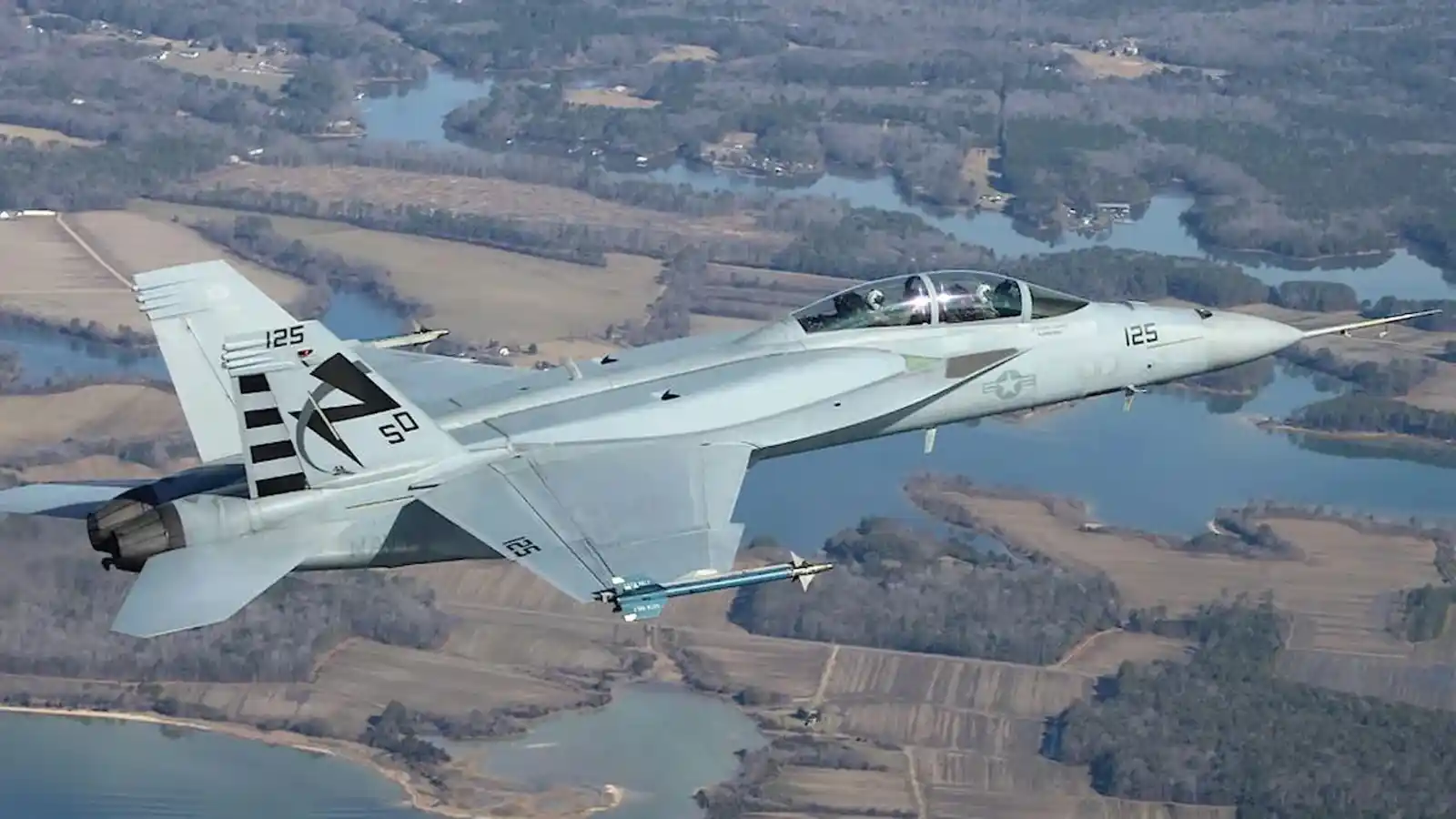
The F/A-18 Hornet series, including its advanced variant F/A-18E/F Super Hornet, has been a cornerstone of naval aviation for decades. While conformal fuel tanks (CFTs) have been widely adopted in aircraft such as the F-15E Strike Eagle and F-16 Block 70/72, the F/A-18 family has largely relied on traditional external drop tanks for fuel capacity extension. This article explores the feasibility, challenges, and historical considerations of integrating conformal fuel tanks into the F-18 platform.
The F/A-18 Hornet Fuel System and External Fuel Tank Integration
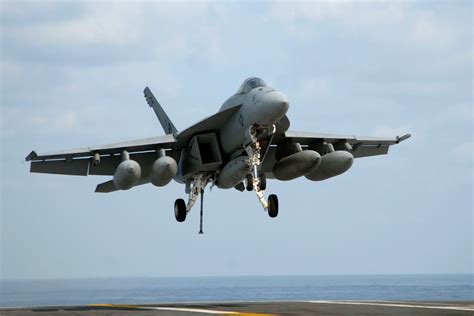
The original F/A-18A/B/C/D Hornet was designed with a combination of internal fuel storage and external fuel tanks to extend its operational range. The aircraft carries approximately 4,990 kg of fuel internally and can mount additional tanks on its nine external hardpoints.
- External Wing Hardpoints: Can accommodate drop tanks or various air-to-ground munitions.
- Fuselage Centerline Hardpoint: Typically used for an additional fuel tank.
Unlike CFTs, which are aerodynamically contoured to the fuselage, traditional drop tanks introduce drag, impacting overall maneuverability and stealth characteristics. The design philosophy behind the F/A-18 Hornet prioritized versatility and ease of maintenance, which may explain the absence of conformal fuel tanks in its original design.
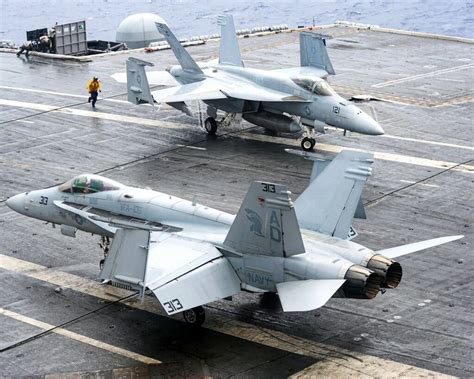
F/A-18E/F Super Hornet: Enhanced Capabilities but No Standard CFTs
With the introduction of the F/A-18E/F Super Hornet, significant structural improvements were made, including:
- Larger airframe: Increased overall fuel capacity.
- Upgraded engines: The General Electric F414 provides greater thrust and efficiency.
- Additional hardpoints: Improved flexibility for fuel and weapons.
Despite these advancements, conformal fuel tanks were not included in the standard design. Instead, the Super Hornet continued to rely on external fuel tanks, even though Boeing proposed CFTs as an option for range extension.
Why the U.S. Navy Rejected Super Hornet CFTs
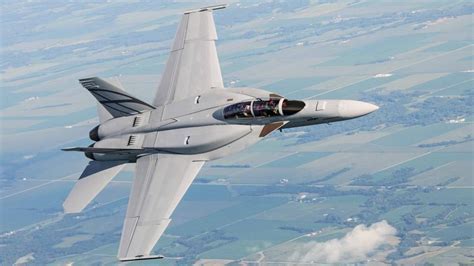
Boeing was awarded a $219 million contract in 2018 to develop and integrate conformal fuel tanks for the F/A-18E/F Super Hornet Block III. These tanks were designed to:
- Increase range by approximately 260 nautical miles.
- Reduce drag compared to traditional drop tanks.
- Free up underwing hardpoints for additional weaponry.
However, in January 2021, the U.S. Navy halted the program, citing:
- Structural concerns: Added stress on the fuselage and wing roots.
- Carrier suitability issues: Potential interference with catapult launches and arrested landings.
- Sustainability challenges: Increased maintenance complexity.
Despite the initial optimism, the Navy determined that CFTs did not provide sufficient advantages over existing external tanks, leading to the cancellation of the project.
CFT Integration in Other Fighter Aircraft
While the F-18 series has not adopted conformal fuel tanks, other fighters have successfully implemented them:
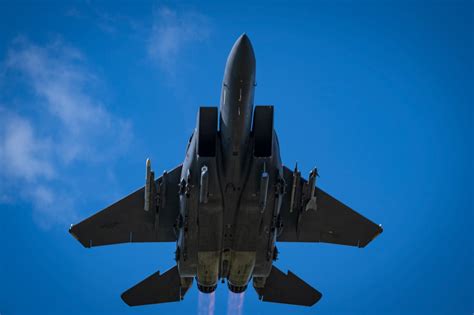
- F-15E Strike Eagle: Integrated CFTs enhance range while maintaining hardpoint availability.
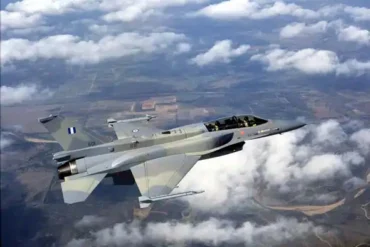
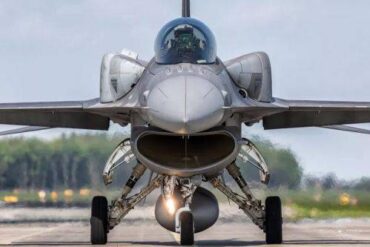
- F-16 Block 70/72: Optional CFTs improve endurance for longer-range missions.
- Dassault Rafale: Designed with semi-conformal fuel tanks for optimized aerodynamics.
Given the F/A-18’s role as a carrier-based fighter, the design constraints of folding wings and limited deck space may have further discouraged CFT adoption.
Alternatives to CFTs: The MQ-25 Stingray Aerial Tanker
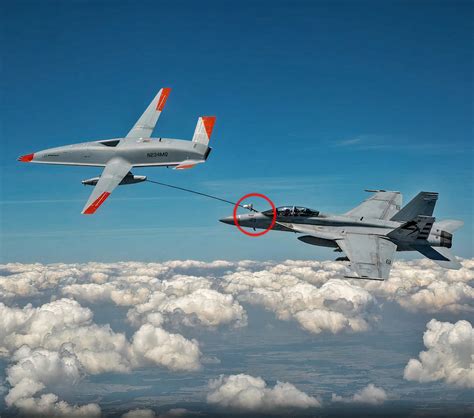
With the cancellation of Super Hornet CFTs, the U.S. Navy has turned to alternative solutions to extend combat range. The MQ-25 Stingray, an unmanned aerial refueling drone, is set to provide an innovative approach to in-flight refueling.
- First operational aerial refueling in June 2021 with a Super Hornet.
- Expected initial deployment in 2025 to enhance carrier-based operations.
- Reduces reliance on F/A-18s conducting buddy refueling missions.
Conclusion: Why the F-18 Lacks Conformal Fuel Tanks
The absence of conformal fuel tanks on the F/A-18 series is rooted in structural, operational, and logistical factors. While Boeing attempted to integrate CFTs into the Super Hornet Block III, the U.S. Navy ultimately determined that the drawbacks outweighed the benefits. Instead, the Navy is investing in alternative refueling solutions such as the MQ-25 Stingray to ensure long-range mission capability.
FAQ
1. Can the F/A-18 Hornet be retrofitted with conformal fuel tanks?
While technically possible, retrofitting conformal fuel tanks on the legacy F/A-18 Hornet would require extensive structural modifications, making it an impractical solution. The aircraft was not originally designed to support CFT integration.
2. Will future Super Hornet variants include conformal fuel tanks?
Although Boeing proposed CFTs for export models, the U.S. Navy has officially halted plans for their integration on carrier-based Super Hornets. However, allied nations may still pursue them for land-based operations.
3. How does the MQ-25 Stingray compare to conformal fuel tanks?
The MQ-25 Stingray provides a more flexible and scalable solution to in-flight refueling, extending the range of carrier-based fighters without modifying their airframe. This approach preserves maneuverability and weapons capacity while ensuring extended mission endurance.