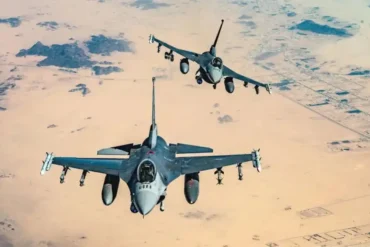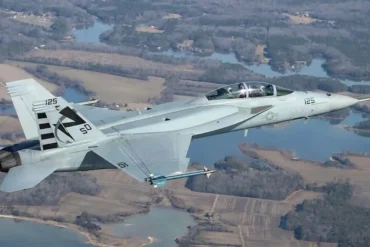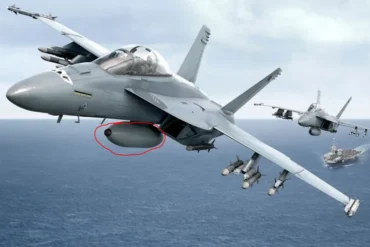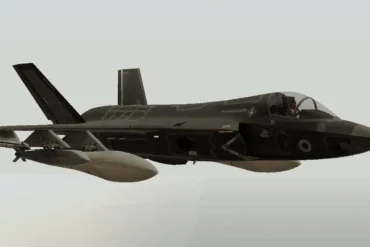
The F-16 Fighting Falcon, a versatile multirole fighter, has undergone continuous upgrades to extend its operational capabilities. Among the most significant enhancements is the Conformal Fuel Tanks (CFTs), a technology designed to improve range, fuel efficiency, and mission effectiveness without compromising aerodynamics. This article provides an in-depth analysis of CFT design, performance advantages, combat applications, technological evolution, and limitations.
Design Features and Performance Advantages
Aerodynamic Optimization and Drag Reduction
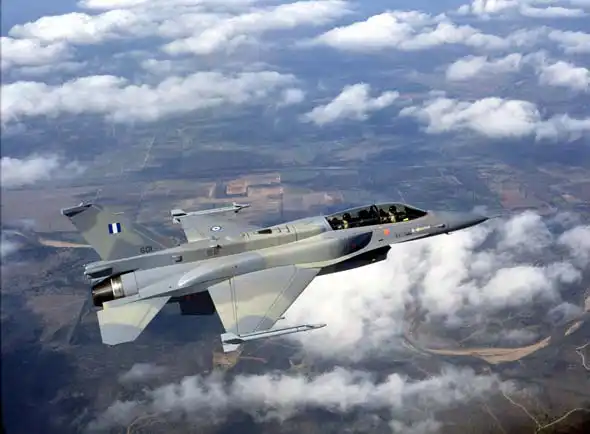
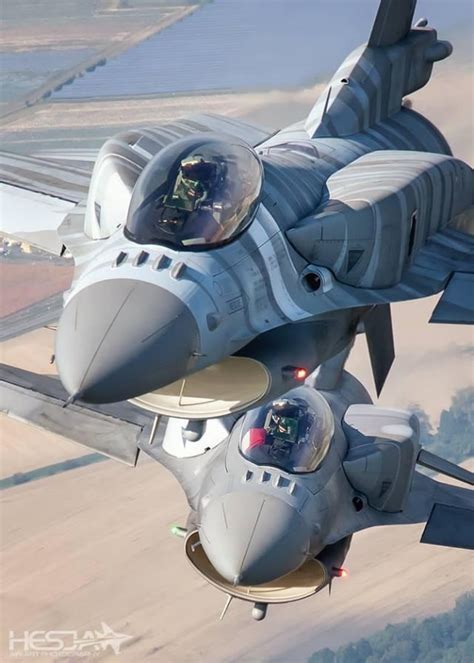
CFTs are mounted along the upper fuselage of the F-16, seamlessly integrating with the aircraft’s structure. Unlike traditional external fuel tanks, CFTs maintain a streamlined shape, significantly minimizing drag. Tests have shown that CFT-induced drag is only 12% of conventional drop tanks. During subsonic cruising, the drag impact is negligible, while at supersonic speeds, drag increases linearly but remains manageable compared to wing-mounted fuel tanks.
Increased Fuel Capacity and Extended Range
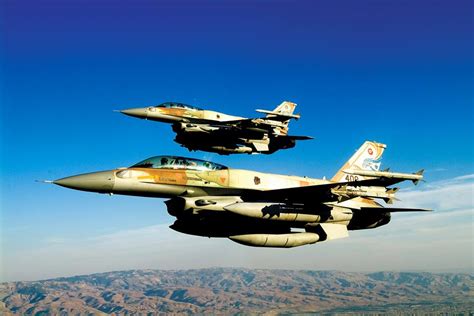
Each CFT unit carries approximately 450 gallons (3,050 pounds) of additional fuel, boosting the aircraft’s operational range by 20%-40%. When combined with external drop tanks, the combat radius can increase by 60%-70%. The Israeli Air Force’s F-16I Sufa demonstrates this capability, achieving 50% longer mission endurance through an optimized fuel configuration.
Minimal Impact on Flight Performance
Despite adding 900 pounds of weight, CFTs do not restrict the F-16’s maneuverability. The aircraft retains its 9G turn capability, maximum angle of attack, and sideslip performance. Additionally, CFTs are designed for rapid installation and removal, requiring only two hours for maintenance teams to attach or detach them, ensuring mission adaptability.
Combat Flexibility and Real-World Applications
Optimized Weapons Loadout
One major advantage of CFT integration is the liberation of wing hardpoints, which would otherwise be occupied by external fuel tanks. This allows the F-16 to carry additional air-to-ground munitions, air-to-air missiles, or electronic warfare pods. For example, during the 2007 Israeli Air Force Operation Orchard, F-16I fighters utilized CFTs to conduct a long-range strike exceeding 500 kilometers, eliminating the need for mid-air refueling.
Air-to-Air Refueling Compatibility
Certain CFT configurations integrate a retractable refueling probe, enhancing operational flexibility. For instance, the Indian Air Force’s F-16IN variant features a right-side refueling probe, designed to avoid interference with the left-side M61 Vulcan cannon. This setup ensures compatibility with probe-and-drogue aerial refueling systems, facilitating extended missions across diverse theaters.
Technological Evolution and Multinational Collaboration
Development History
CFT technology originated in the 1990s, initially tested on the F-16 Extended Range (ES) prototype. Over time, demand from Israel, Greece, and the UAE accelerated development. Lockheed Martin, in collaboration with Israel Aerospace Industries (IAI), refined the design for F-16 Block 50/52+/60 models, making CFTs a standardized option for advanced variants.
Modular Design and Future Adaptations
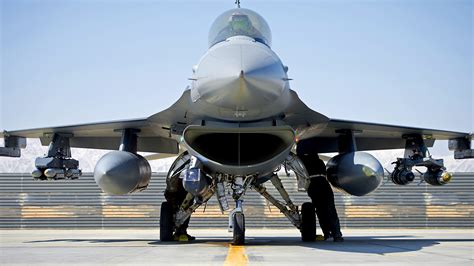
Beyond fuel storage, CFTs can house reconnaissance sensors and electronic warfare systems. This concept mirrors the U.S. Air Force’s F-15 Strike Eagle, where CFTs were adapted for sensor integration. The potential exists for F-16 CFTs to evolve into multi-functional mission pods, enhancing the aircraft’s battlefield versatility.
Limitations and Trade-Offs
Weight and Maneuverability Considerations
Although CFTs impose minimal drag penalties at subsonic speeds, they add structural weight, which affects acceleration and climb rate. In supersonic combat scenarios, the additional mass and non-jettisonable nature of CFTs can limit extreme maneuverability. As a result, pilots must carefully assess whether mission objectives justify their inclusion.
Cost and Maintenance Complexity
CFTs require customized production and logistics chains, with components sourced globally. For example:
- Lockheed Martin leads design and integration.
- India manufactures the refueling probe system.
- The UK supplies telescopic assembly components.
This multi-national supply chain increases procurement and maintenance complexity, necessitating dedicated logistical support for operators utilizing CFT-equipped F-16 variants.
Conclusion
The integration of Conformal Fuel Tanks (CFTs) on the F-16 has significantly enhanced its range, weapons loadout efficiency, and mission adaptability. Through optimized aerodynamics and modular design, CFTs have become an integral component of modernized F-16 platforms, ensuring their relevance in long-range strike and multi-role combat operations. Despite challenges related to weight and cost, the strategic advantages offered by CFTs underscore their value in contemporary aerial warfare.
Frequently Asked Questions (FAQ)
1. How do Conformal Fuel Tanks (CFTs) differ from external fuel tanks?
CFTs are integrated onto the fuselage, reducing drag and freeing up wing hardpoints for additional weapons. In contrast, external fuel tanks are mounted on pylons and create more aerodynamic resistance, affecting fuel efficiency and maneuverability.
2. Can CFTs be removed during combat missions?
No, CFTs are semi-permanent and cannot be jettisoned mid-flight like external drop tanks. However, they can be removed on the ground within two hours, allowing flexibility between different mission requirements.
3. Which countries operate F-16s with CFTs?
Several nations utilize F-16s with CFTs, including Israel (F-16I), Greece (F-16 Block 52+), UAE (F-16E/F Block 60), and Singapore (F-16D Advanced Block 52+). These variants leverage CFTs for long-range strike and multirole combat capabilities.