The Role and Configuration of F-18 Drop Tanks
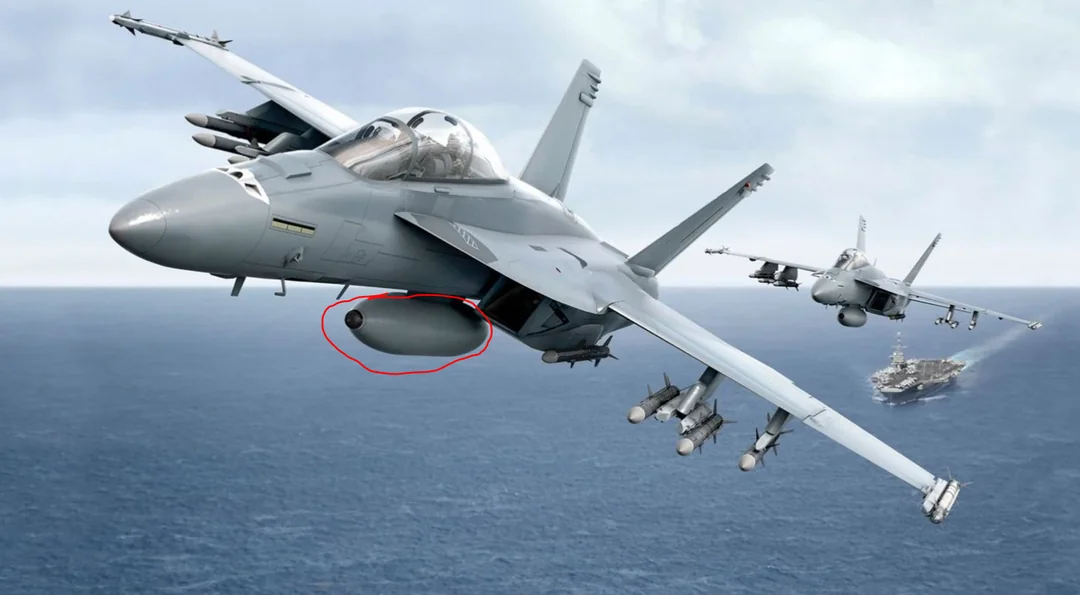
The F/A-18E/F Super Hornet is a versatile, carrier-capable multirole fighter that relies on external fuel tanks to extend its operational range. These drop tanks enable extended-range missions, increasing loiter time and supporting aerial refueling operations. The aircraft can carry up to five external tanks, significantly enhancing endurance during long-range missions. This capability is critical for carrier-based operations where strike groups must cover vast maritime areas efficiently.
Unlike some fighter jets that rely solely on internal fuel storage, the F/A-18’s ability to carry multiple external tanks provides unmatched operational flexibility. Pilots can configure the aircraft to balance fuel load and weapons payload, ensuring that range extension does not come at the cost of combat effectiveness. Drop tanks are designed to be jettisoned when necessary, particularly during combat engagements or high-G maneuvers.
Drop Tanks vs. Conformal Fuel Tanks (CFTs)
A major evolution in fuel tank design is the introduction of Conformal Fuel Tanks (CFTs), which provide additional fuel capacity while minimizing aerodynamic penalties. Unlike traditional drop tanks, CFTs are seamlessly integrated into the aircraft’s fuselage, reducing drag and radar cross-section (RCS). This approach is evident in Boeing’s Silent Hornet concept, which integrates CFTs to enhance stealth and range without external tanks.
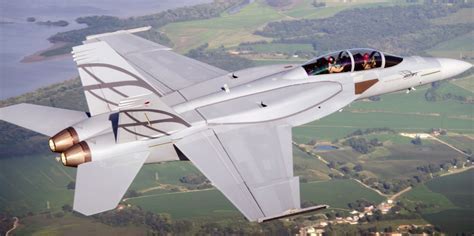
However, drop tanks remain indispensable due to their mission-specific adaptability. While CFTs improve stealth and aerodynamic efficiency, they are fixed and cannot be discarded mid-flight. Drop tanks, on the other hand, can be jettisoned when necessary, allowing the aircraft to regain maneuverability and speed. This capability is especially important in situations requiring high-performance flight characteristics, such as air combat or evasive maneuvers.
Different Drop Tank Configurations on the F/A-18
The F/A-18 family has utilized various drop tank configurations throughout its operational history. The early F/A-18 models primarily depended on wing-mounted drop tanks to extend their mission range. These tanks typically hold 480 gallons (approximately 1,817 liters) of fuel, significantly enhancing endurance.
The F/A-18E/F Super Hornet introduced enhancements to fuel storage and engine performance. Powered by General Electric F414 turbofan engines, the Super Hornet maintains stable flight characteristics even with multiple drop tanks attached. The aircraft can carry up to three 480-gallon tanks on centerline and wing stations, or five in maximum range configurations.
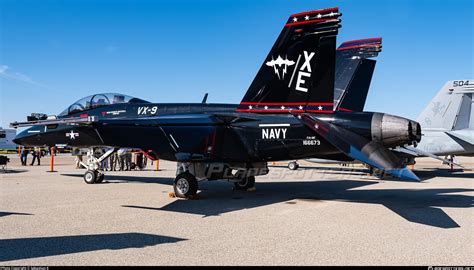
For international variants like the Silent Hornet, the integration of Conformal Fuel Tanks (CFTs) reduces reliance on drop tanks, but external tanks remain available as mission-dependent options. This balance ensures that the aircraft retains both range and combat effectiveness in diverse operational scenarios.
Operational Use of Drop Tanks in Combat and Training
Combat Missions
In real-world operations, drop tanks are a standard loadout for F/A-18s conducting long-range strike missions, maritime patrols, and carrier-based operations. These tanks enable naval strike groups to conduct missions deep into contested airspace, extending their reach without requiring immediate in-flight refueling.
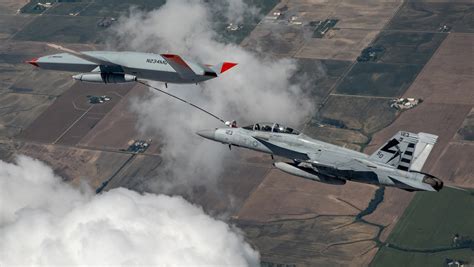
For instance, during carrier-based transoceanic deployments, U.S. Navy Super Hornets often rely on drop tanks to ensure sufficient fuel reserves for extended loitering and unplanned engagements. In joint operations, F/A-18s equipped with drop tanks also act as buddy tankers, providing fuel to other aircraft within a strike package.
Training Missions
While drop tanks significantly enhance operational range, they can impose limitations on aerobatic performance and high-G maneuvers. In air combat training, pilots may opt to jettison drop tanks before engaging in simulated dogfights. This practice ensures that the aircraft retains its full maneuverability and agility, essential for executing aggressive flight maneuvers.
Additionally, for carrier landing training, drop tanks are often removed to reduce aircraft weight and optimize approach handling characteristics. This is particularly important for touch-and-go exercises where precise control is necessary.
Comparing the F-18’s Drop Tank Capability with Other Fighters
F-18 vs. F-35
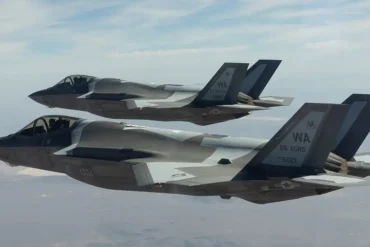
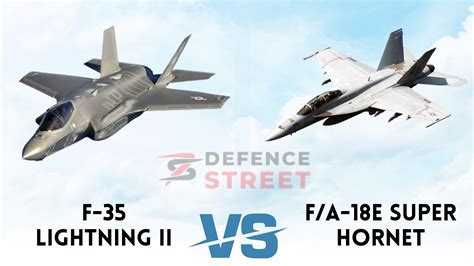
The F-35 Lightning II, designed with an emphasis on stealth and internal fuel storage, does not typically utilize external drop tanks. While this enhances low observability, it limits the aircraft’s fuel capacity and range compared to the F/A-18 when operating without tanker support. The F/A-18’s drop tank configuration provides superior endurance, making it a better choice for non-stealth, long-range strike missions where stealth is not the primary concern.
F-18 vs. Fourth-Generation Fighters
Compared to other fourth-generation fighters, the F/A-18’s drop tank system remains highly adaptable. Aircraft like the F-15E Strike Eagle also utilize external fuel tanks but rely more on Conformal Fuel Tanks (CFTs) for improved aerodynamic efficiency. The F-16 Fighting Falcon, another widely used multirole fighter, employs drop tanks as well but lacks the carrier-operating capability of the F/A-18.
The F/A-18’s ability to maintain combat readiness with drop tanks while operating from aircraft carriers gives it a strategic advantage in naval aviation. This capability allows it to conduct extended patrols, support carrier battle groups, and perform long-range air interdiction missions effectively.
Frequently Asked Questions
How many drop tanks can the F/A-18 carry?
The F/A-18E/F Super Hornet can carry up to five external drop tanks, with a typical configuration including three 480-gallon tanks mounted under the fuselage and wings. This setup significantly extends the aircraft’s range, making it a critical asset for long-duration missions.
Can the F/A-18 jettison drop tanks during flight?
Yes, the F/A-18’s drop tanks are designed to be jettisoned if necessary. This feature allows pilots to quickly shed excess weight and drag, improving maneuverability in combat situations or high-speed engagements.
What is the difference between drop tanks and conformal fuel tanks (CFTs)?
Drop tanks are external fuel tanks that can be jettisoned during flight, providing flexibility for different mission profiles. Conformal Fuel Tanks (CFTs), on the other hand, are permanently attached to the aircraft’s fuselage, reducing drag and improving stealth characteristics but lacking the ability to be discarded mid-flight.