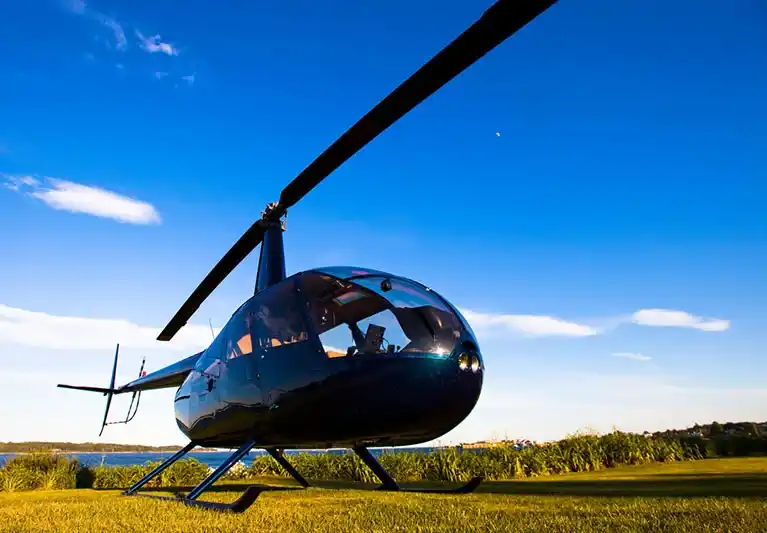
Helicopter fuel cost remains one of the most significant variables in rotorcraft operations. Whether used for tourism, medical transport, corporate travel, or heavy industrial lift, helicopters consume fuel at varying rates based on design, engine type, and mission requirements. As of April 11, 2025, fuel prices have fluctuated in response to market dynamics and geopolitical shifts, further amplifying the complexity of operational cost forecasting.
Understanding fuel consumption and associated expenses is critical for anyone engaged in aviation logistics, flight training, fleet management, or air charter services. We examine the fuel types, consumption rates, regional price differences, and real-world examples to provide a complete and highly detailed picture of modern helicopter fuel costs.
Types of Helicopter Fuel and Their Core Characteristics
The nature of helicopter fuel consumption begins with understanding the engine type. Helicopters use either piston engines or turbine engines, each requiring different types of fuel:
AvGas (100LL): For Piston-Engine Helicopters
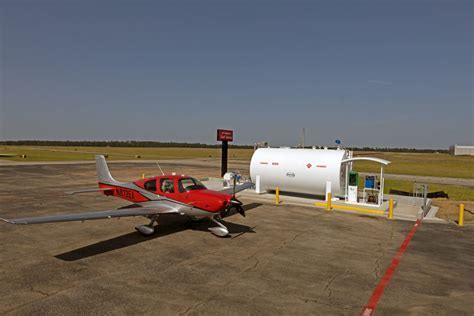
Aviation Gasoline (AvGas 100LL) is used predominantly in small, piston-powered helicopters. It is blue-colored, with a distinctive gasoline aroma, and delivers lower power than turbine fuels. As of April 2025, the national average price for AvGas in the United States is $6.52 per gallon, though that figure can reach $10.32 in remote areas like Alaska.
This fuel is typically used in light helicopters such as:
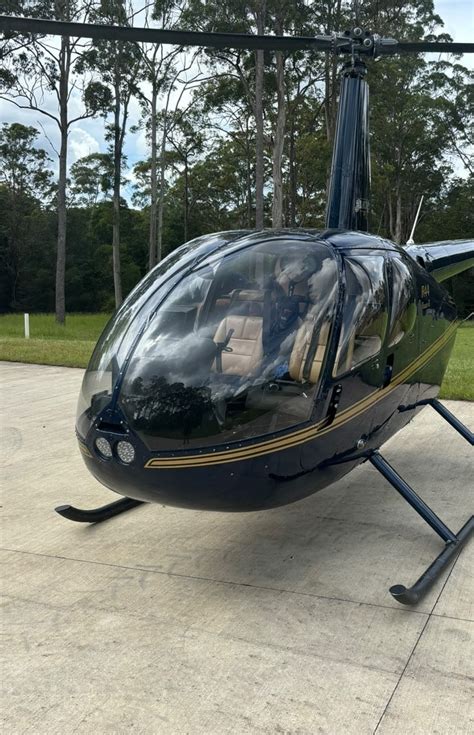
- Robinson R22 – a common trainer, consuming around 8 gallons per hour (GPH)
- Robinson R44 – a larger private-use aircraft, burning roughly 15 GPH
These helicopters are favored for training operations, aerial surveys, and private commuting, offering operational economy at the cost of limited payload and speed.
Jet A and Jet A-1: For Turbine-Engine Helicopters
Turbine-powered helicopters, from mid-size utility aircraft to heavy-lift machines, run on Jet A or Jet A-1 fuel. Jet A is colorless or straw-yellow, with a kerosene-like smell. It mirrors the fuel used in commercial jetliners and is optimized for high-performance, high-altitude use.
As of April 2025, the average Jet A price across the U.S. is $5.93 per gallon, but this varies by region—from a low of $5.40 in the South Central U.S. to a high of $6.48 in the Southwest.
Helicopter Fuel Consumption by Model and Class
Piston-Engine Models: Lower Burn Rates, Economical Use
Smaller helicopters are characterized by minimal fuel burn, offering cost-effective solutions for short-haul or low-weight missions.
- Robinson R22: ~8 GPH × $6.52 = $52.16/hr
- Robinson R44: ~15 GPH × $6.52 = $97.80/hr
Their tank capacities range from 20 to 26 gallons, meaning a full refill costs $130 to $169.52 depending on the model and fuel price.
Turbine-Engine Models: Increased Power, Higher Cost
Turbine engines provide substantially more thrust but consume significantly more fuel. This class includes mid-size to ultra-heavy helicopters:
- Bell 206 Jetranger III: 27 GPH × $5.93 = $160.11/hr
- AS350 B3 Astar: 50 GPH × $5.93 = $296.50/hr
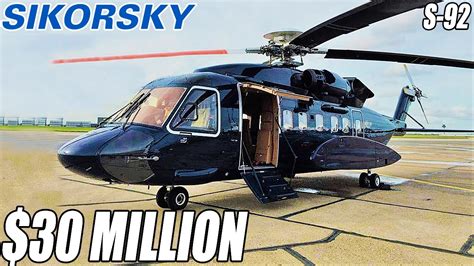
- Sikorsky SK92: 180 GPH × $5.93 = $1,067.40/hr
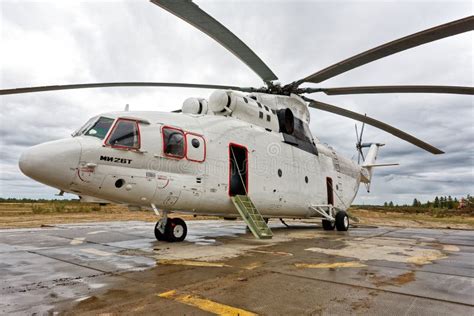
- Mil Mi-26: 1100 GPH × $5.93 = $6,523/hr
The Mil Mi-26, the world’s largest and most powerful helicopter, has a tank capacity exceeding 1210 gallons, with a single fill-up costing more than $7,175 at current rates.
Regional Fuel Price Variations Across the U.S.
Fuel prices are not uniform across the country. Regional logistics, distribution infrastructure, and demand drive localized pricing. Based on 2025 data:
AvGas Price by Region
| Region | Avg. Price ($/gallon) |
|---|---|
| National Average | 6.52 |
| Alaska | 10.32 |
| Central U.S. | 5.95 |
| Northeast | 6.83 |
| New England | 6.97 |
Remote operations in Alaska and the Western Pacific face costs 30–50% higher than inland regions due to fuel transport complexity. In extremely isolated locations, drummed AvGas can reach $50/gallon, drastically raising operational costs.
Jet A Price by Region
| Region | Avg. Price ($/gallon) |
|---|---|
| National Average | 5.93 |
| South Central U.S. | 5.40 |
| Southwest | 6.48 |
Jet A shows slightly less volatility due to broader use in both fixed-wing and rotary-wing aircraft, yet regional disparities remain significant.
Comparative Hourly Fuel Costs: Helicopters by Class
Let’s contextualize fuel consumption using real-world calculations based on April 2025 prices:
Small Helicopter – Robinson R44
- Fuel Type: AvGas
- Burn Rate: 15 GPH
- Hourly Fuel Cost: $97.80
- Tank Fill Cost: $169.52
Mid-Size Helicopter – Bell 206 Jetranger
- Fuel Type: Jet A
- Burn Rate: 27 GPH
- Hourly Fuel Cost: $160.11
- Tank Fill Cost: $415.10
Heavy Helicopter – Sikorsky SK92
- Fuel Type: Jet A
- Burn Rate: 180 GPH
- Hourly Fuel Cost: $1,067.40
- Tank Fill Cost: ~$2,372
Ultra-Heavy Helicopter – Mil Mi-26
- Fuel Type: Jet A
- Burn Rate: 1100 GPH
- Hourly Fuel Cost: $6,523
- Tank Fill Cost: ~$7,175
These examples underscore the operational economics tied to aircraft selection. While turbine helicopters provide performance and payload capacity, the exponential increase in fuel costs must be integrated into mission planning and budget forecasts.
Fuel Efficiency Versus Fixed-Wing Aircraft
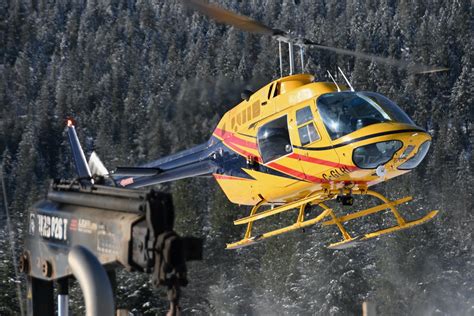
Helicopters are less fuel-efficient than fixed-wing aircraft due to their rotary lift mechanism. The requirement to constantly generate lift through spinning rotors leads to higher fuel consumption even at lower speeds. For instance, a light twin-engine airplane may consume 10–12 GPH at cruise, less than many piston helicopters.
Operators must consider mission profile when comparing airframe types. Helicopters excel in vertical takeoff/landing and hover capability, but at the cost of efficiency.
Historical Perspective: Price Trends Over Time
In 2020, the average prices for helicopter fuel were significantly lower:
- AvGas: $4.60 to $5.34/gallon
- Jet A: $3.90 to $4.54/gallon
Since then, global oil prices, logistics bottlenecks, and supply-demand fluctuations have driven prices up. These trends highlight the importance of real-time fuel monitoring and strategic fuel contracting for high-frequency operators.
Operational and Strategic Considerations
Remote Logistics
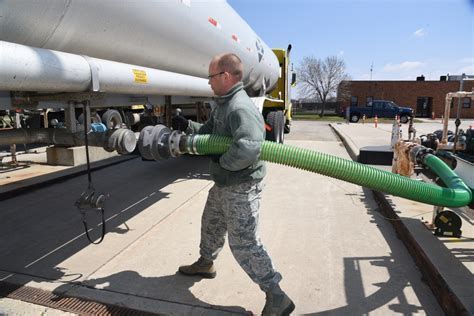
For missions in islands, mountainous regions, or polar zones, helicopters are indispensable. However, fuel availability is often limited to drummed supplies, which not only cost more but require manual handling, increasing labor costs and turnaround time.
Fleet Management
For operators managing fleets, knowing which missions require a Bell 206 versus a Robinson R44 can cut fuel expenses by thousands of dollars monthly. Fuel analytics software is increasingly used in enterprise aviation management to monitor burn rates and optimize usage.
Sustainability and Alternatives
While electric and hybrid VTOLs (eVTOLs) promise cleaner solutions, current commercial helicopters are still overwhelmingly reliant on petroleum-based fuels. The industry is closely monitoring sustainable aviation fuel (SAF) development, though widespread adoption remains several years away.
FAQ: Helicopter Fuel Costs
What is the cheapest helicopter to operate based on fuel cost?
The Robinson R22 and R44 are among the cheapest to operate. The R44 consumes only 15 gallons of AvGas per hour, resulting in an hourly cost of around $98. This makes it ideal for training and private flights with minimal fuel expenditure.
Why is fuel more expensive in Alaska and remote regions?
Remote areas face logistical barriers, including long-distance fuel transport and lack of local refining infrastructure. In Alaska, for instance, AvGas can exceed $10.32 per gallon, with drummed fuel prices reaching as high as $50/gallon. These areas require aerial delivery or overland hauling, dramatically raising costs.
How does helicopter fuel consumption compare to airplanes?
Helicopters are generally less fuel-efficient due to the energy-intensive nature of vertical lift and hover operations. While a light fixed-wing aircraft might burn 10–12 GPH, a comparable piston-engine helicopter may use 15–20 GPH, leading to higher per-hour operating costs.
By understanding the nuances of helicopter fuel consumption, from fuel type to aircraft class and regional pricing, operators can optimize mission planning, reduce costs, and improve sustainability practices. As fuel remains one of the highest recurring operational expenses, mastery of these variables is crucial in 2025 and beyond.