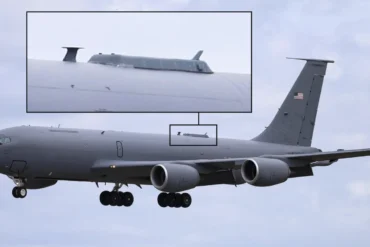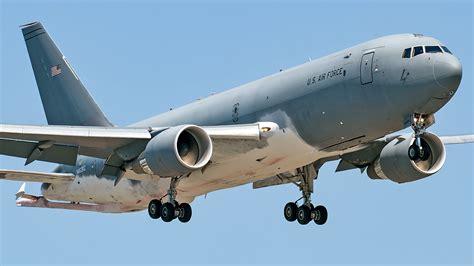
The importance of aerial refueling in modern warfare cannot be overstated. Tankers are the lifeblood of air combat and global mobility, extending the range of aircraft, ensuring sustained missions, and facilitating logistics across international borders. As the United States Air Force moves toward integrating the Boeing KC-46 Pegasus into its tanker fleet, a pivotal shift in capabilities is unfolding. The KC-46 is quickly replacing legacy tankers such as the KC-135 and KC-10, promising enhanced operational flexibility, improved survivability, and modernized technology. But how does the KC-46 truly stack up against these long-serving platforms in 2025? This article explores this very question in detail, examining the strengths and weaknesses of each tanker in terms of fuel capacity, technology, survivability, and operational utility.
The KC-46: An Evolution in Aerial Refueling
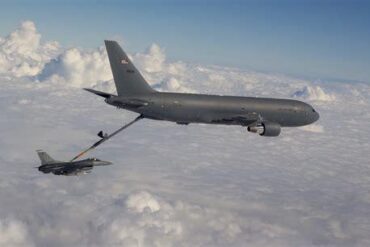
The KC-46 Pegasus is not just another tanker; it is a multi-role platform designed for the modern battlefield. Based on the Boeing 767-2C airframe, the KC-46 brings with it a host of upgrades, including advanced avionics, secure communications, and the ability to operate in contested airspaces. While the KC-135 was originally introduced in 1957 and the KC-10 in 1980, the KC-46 brings capabilities for the future. By mid-2025, approximately 90-98 airframes will have been delivered, marking a significant step in transitioning the Air Force’s tanker fleet to one suited for 21st-century operations.
One of the most notable changes is the transition from older tankers designed for uncontested skies to a new breed of tanker conceived for contested environments. In this regard, the KC-46 is designed for a world where joint operations with allied forces and participation in high-threat, near-peer conflicts are the norms. With its digital interfaces and enhanced refueling systems, the KC-46 is equipped for versatile roles—ranging from medevac to command-and-control operations—making it a true force multiplier in modern air combat.
Modern Avionics and Refueling Systems
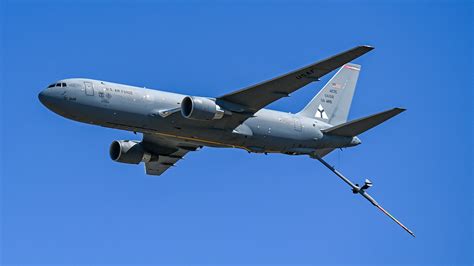
The integration of cutting-edge avionics and refueling systems is one of the standout features of the KC-46. While legacy tankers like the KC-135 relied on manual systems where boom operators physically guided the refueling boom through a window, the KC-46 uses a Remote Vision System (RVS) to digitally display imagery from cameras and sensors. This shift has dramatically increased the precision of refueling operations.
In addition to the RVS, the KC-46 boasts an advanced flight deck that incorporates mission management consoles, situational awareness displays, and secure communications systems. These modern systems allow the KC-46 to operate seamlessly within integrated command-and-control environments, exchanging crucial data such as refueling schedules and positional information. Moreover, the addition of both boom and drogue refueling capability allows the KC-46 to refuel a wide range of aircraft from fighters to cargo planes, making it a versatile asset for coalition operations.
The dual refueling modes—boom for large aircraft and hose-and-drogue for smaller ones—were built into the KC-46 from the ground up, unlike the KC-135, which required retrofitting to achieve similar interoperability. This flexibility ensures that the Pegasus can operate with a diverse array of aircraft, reducing the need for specialized tankers for specific missions.
Surviving in Contested Airspaces: The KC-46’s Defensive Systems
As the nature of aerial warfare evolves, so too must the survivability of the platforms involved. The KC-46 is designed with this in mind, incorporating advanced defensive systems that make it more resilient in contested environments. The threat of near-peer adversaries and advanced air defenses has led to a fundamental shift in tanker strategy. The KC-46 reflects this change with the integration of defensive measures such as the ALR-69A radar warning system, the AAQ-24 Large Aircraft Infrared Countermeasure (LAIR-CM) system, and the EMP-hardened flight deck.
The LAIR-CM system is particularly significant, as it provides real-time missile detection and threat mitigation by using infrared lasers to degrade incoming missile guidance. In addition to missile defense, the KC-46 is equipped with countermeasures like the AN/ALE-47 flare and chaff system and the AN/ASQ-238 electronic countermeasures system, all designed to enhance its survivability in complex operational theaters.
While the KC-46 does not aim to be a combat aircraft, its defensive systems provide the tanker with the ability to operate closer to contested airspaces, thus reducing its vulnerability to threats and buying time for escort and electronic warfare (EW) assets to neutralize incoming threats.
Multi-Mission Flexibility: Beyond Fueling
One of the most compelling aspects of the KC-46 is its multi-mission design. While legacy tankers were predominantly focused on one task—fueling aircraft—the KC-46 offers a broader range of capabilities that make it an integral part of air mobility and logistics operations. The tanker is designed not just for refueling, but also for roles such as cargo transport, medevac, and casualty evacuation.
This multi-role design is particularly advantageous in austere environments, where basing options may be limited and threats are prevalent. A single KC-46 sortie can accomplish multiple missions, such as refueling fighters, carrying cargo, and evacuating casualties, all in one flight. This flexibility greatly reduces the number of sorties required and streamlines operations, making it an essential asset for expeditionary forces.
However, this added functionality comes at a cost. The complexity of the KC-46’s mission systems, defensive suites, and refueling hardware requires more specialized training for maintenance crews and the procurement of additional spare parts. As such, the successful fielding of the KC-46 will rely on early investments in supply chains, depot capacity, and training pipelines to ensure that its full potential is realized without bottlenecking operations.
Comparing the KC-46 with Legacy Tankers: A Strategic Shift
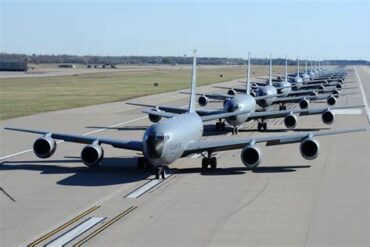
The legacy tankers—the KC-135 and KC-10—represent two distinct eras of aerial refueling. The KC-135, introduced in 1957, was built for mass availability and high-tempo operations during the Cold War. It remains the workhorse of the Air Force’s global refueling strategy, flying hundreds of missions every month. Its simplicity and rugged design have allowed it to remain in service for decades, but it lacks the modern systems required for contested, networked operations.
The KC-10, on the other hand, introduced in 1980, boasts an unmatched fuel and cargo capacity. Its ability to carry large offloads and outsized freight made it ideal for strategic airbridge missions, particularly in the post-Vietnam and Desert Storm eras. However, as the demand for more versatile and networked tanker systems increases, the KC-10’s aging airframe and higher sustainment costs have led to its gradual retirement.
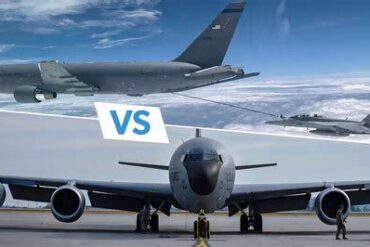
The KC-46 finds itself in the middle of these two platforms. It does not match the raw fuel and cargo capacity of the KC-10, nor does it possess the simple, high-tempo refueling capabilities of the KC-135. However, the Pegasus compensates for this by offering a more modern, networked system that incorporates secure communications, digital interfaces, and the ability to operate in contested environments. In essence, the KC-46 is an evolution in tanker design, one that embraces the realities of modern warfare.
The Future of Tanker Operations: A Mixed Fleet Environment
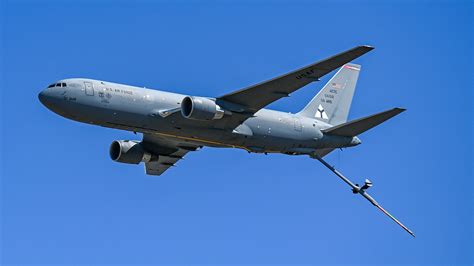
As the KC-46 continues to enter service, the question remains: will it fully replace legacy tankers like the KC-135 and KC-10? The answer, at least in the near term, is no. While the KC-46 is set to become the backbone of the Air Force’s tanker fleet, legacy platforms will continue to serve alongside the Pegasus until sufficient numbers of KC-46 aircraft are delivered and infrastructure is in place to support them.
The transition to a fully integrated fleet will be gradual, with mixed operations likely to persist for years. Planners will need to design operations to accommodate a range of tankers with different capabilities and limitations, ensuring that the global refueling capacity remains intact while the newer KC-46 squadrons expand.
In the long term, the KC-46 represents the future of tanker operations. Its ability to integrate seamlessly into joint operations, its multi-role versatility, and its modern defensive systems make it an invaluable asset for the U.S. Air Force and allied nations. As the tanker fleet continues to evolve, the KC-46 will play a crucial role in shaping the future of air mobility and combat operations.
Conclusion: The KC-46’s Place in the Evolving Tanker Fleet
In conclusion, the KC-46 Pegasus stands as a significant leap forward in aerial refueling technology and operational capability. Its advanced avionics, multi-mission design, and defensive systems make it a valuable asset for the U.S. Air Force and its allies. While it may not fully replace legacy tankers like the KC-135 and KC-10 in the immediate future, its gradual integration into the fleet marks a major shift in the Air Force’s approach to global mobility and refueling operations.
The success of the KC-46 will depend on continued investment in infrastructure, training, and sustainment to ensure that its capabilities are fully realized. As the tanker fleet evolves, the KC-46 will be at the forefront of this transformation, ushering in a new era of aerial refueling for the modern military.