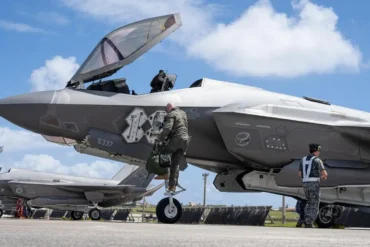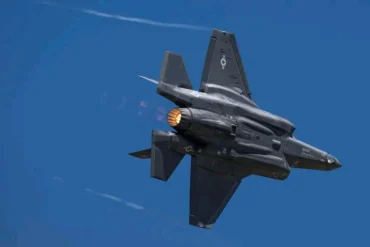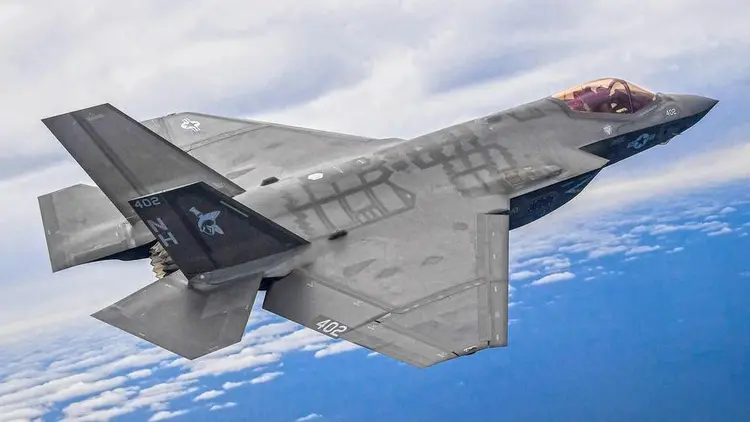
The F-35 Lightning II program, developed by Lockheed Martin, stands as one of the most ambitious and contentious defense projects in modern history. Initially conceived as a multi-role stealth fighter to meet the needs of various military branches around the world, the program has faced significant challenges in both its development and its escalating costs. The total cost of the F-35 program has ballooned far beyond initial projections, raising questions about the project’s financial sustainability and long-term strategic value.
In this article, we will explore the various factors contributing to the dramatic increase in the F-35’s development costs, from initial estimates to current financial projections, while analyzing the technical challenges, management issues, and potential future implications for global defense spending.
Initial Development Budget and Overruns
The F-35 project was initially set with a research and development (R&D) budget of approximately $40 billion. However, as the program progressed, it quickly became clear that this figure would not be sufficient to cover the technological and engineering challenges that emerged. By 2024, the total development cost had escalated to $60 billion, representing a 50% overrun. This increase in costs can be attributed to several key factors, including the complexity of the advanced technologies incorporated into the aircraft, as well as frequent design flaws that required extensive revisions.
The F-35’s development involved the integration of cutting-edge technologies such as the second-generation electro-optical targeting system, new avionics architecture, and next-generation stealth capabilities. These innovations, while enhancing the aircraft’s capabilities, also led to extended development timelines and rising costs. Additionally, recurring software issues and hardware failures forced multiple rounds of revisions, further driving up the project’s budget.
Life-Cycle Cost Expansion
Despite the already staggering R&D costs, the F-35 program’s total cost has continued to rise as production and maintenance expenses have been factored into the equation. The total projected cost for the program, which includes R&D, production, and maintenance across the entire fleet of aircraft, is expected to exceed $1.7 trillion by 2025. A significant portion of this cost comes from maintenance, which accounts for approximately 72% of the total expenditure.
One of the key issues here is the long-term sustainability of the aircraft. Originally designed with a service life expectancy extending to 2054, the F-35 is now projected to remain in service until 2088, a timeline that further increases its overall cost. The Government Accountability Office (GAO) has estimated that the cost of maintaining the F-35 fleet will continue to climb, with figures rising from $1.11 trillion to $1.27 trillion over the next decade. Furthermore, inflation is expected to add another 25% to the overall cost by 2088, potentially pushing the program’s total cost to exceed $2 trillion.
Technological and Collaborative Challenges
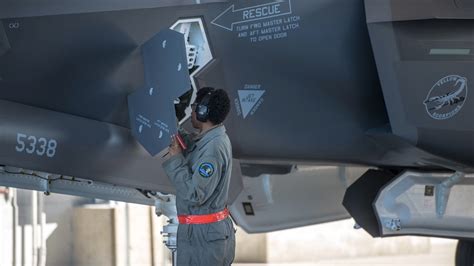
The development of the F-35 has not been without its share of technological hurdles. One of the primary challenges has been the integration of advanced software systems. The Block 4 software upgrade alone has seen costs skyrocket, from an initial budget of $10.6 billion to $22 billion. The upgrade is crucial to enhancing the aircraft’s combat capabilities, but its complexity has led to an explosion in both costs and development time. The total amount of software code now exceeds 24 million lines, and every upgrade requires re-certification of over 500 interfaces.
In addition to technological challenges, the F-35 program has also faced difficulties related to its international collaborations. While several countries have contributed to the funding of the program—such as the United Kingdom, which has funded 15% of the airframe manufacturing—there have been significant delays in parts supply and coordination. The complexity of managing a multi-national supply chain has only added to the cost overruns, as delays in part delivery and logistical challenges increase the need for costly workarounds.
Cost Control Measures and Ongoing Disputes
In response to the ballooning costs, the U.S. Department of Defense (DoD) has implemented a series of cost-cutting measures aimed at controlling further budget overruns. These measures include efforts to increase the reliability of components and reduce contractor dependency, which have collectively saved an estimated $84 billion. However, the GAO has expressed concerns that these cost-saving strategies are insufficient to address the program’s underlying issues.
As of 2025, there is growing political pressure to curb the cost of the F-35 program. The U.S. Congress has suggested that procurement numbers be reduced in an attempt to force the DoD to adhere to budget constraints. However, the military remains deeply concerned about the aircraft’s combat readiness and the potential for a capability gap should procurement be reduced. This has created a difficult balancing act between the need to control costs and the desire to maintain a robust and capable fleet.
Comparative Costs and Alternative Solutions
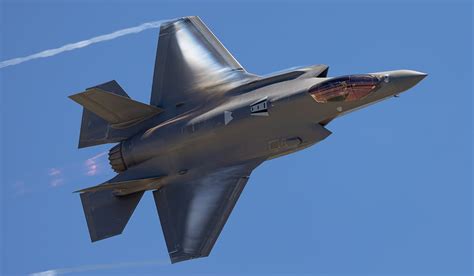
As the F-35’s costs continue to rise, some critics argue that the aircraft is no longer a cost-effective solution for modern military needs. The per-unit cost of the F-35A has increased from an initial $84 million to over $150 million. This cost increase raises questions about the aircraft’s value, especially in comparison to other modern weapons systems such as unmanned aerial vehicles (UAVs). For example, the cost-effectiveness ratio of swarm drones is much higher, with a 1:38 cost-to-effectiveness ratio, making them a potentially more viable option for future combat operations.
This has led some to question the long-term strategic value of the F-35 and its role in future air combat. While the F-35 offers a broad range of capabilities, including stealth, advanced avionics, and multi-role flexibility, critics argue that these advantages may not justify the ever-increasing costs associated with its development and maintenance.
Conclusion
The F-35 program serves as a cautionary tale in the world of defense contracting. Initially touted as a revolutionary step forward in military aviation, the F-35 has encountered significant technical and financial challenges that have led to staggering cost overruns. From R&D delays to international cooperation issues and software upgrades, the development of the F-35 has proven far more expensive than originally anticipated.
Despite the challenges, the F-35 remains a central piece of the U.S. military’s air power and a key element of its strategy for future warfare. However, the financial burden of the program, along with ongoing concerns about its long-term viability, will likely continue to be a topic of debate for years to come.
Frequently Asked Questions
What caused the significant cost overruns in the F-35 program?
The F-35 program experienced significant cost overruns due to a combination of factors, including the technological complexity of integrating cutting-edge systems, software issues, and design flaws that required extensive revisions. Additionally, international collaboration and logistical challenges contributed to delays and increased costs.
How much is the total projected cost of the F-35 program?
The total projected cost of the F-35 program, including R&D, production, and maintenance, is expected to exceed $1.7 trillion by 2025. Maintenance costs alone are expected to account for around 72% of this total expenditure.
Is the F-35 still a valuable investment despite its high cost?
While the F-35 offers advanced capabilities such as stealth, multi-role flexibility, and cutting-edge avionics, critics argue that its rising costs make it less cost-effective compared to alternatives like unmanned aerial vehicles and other modern military systems. The debate continues as to whether the F-35 represents a strategic advantage worth its escalating price tag.