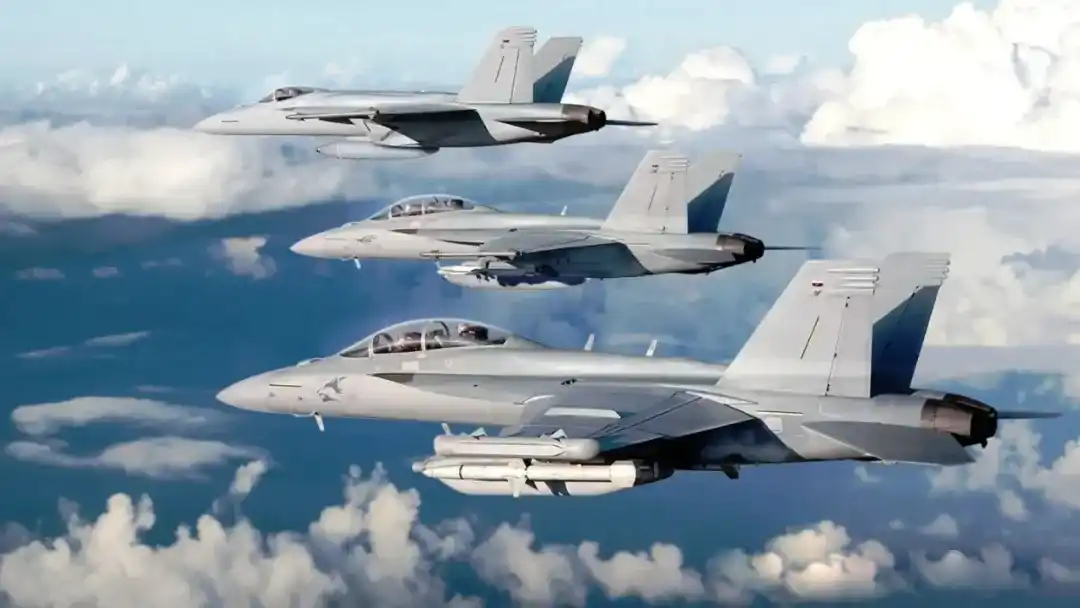
The F/A-18 Super Hornet and EA-18G Growler are among the most advanced carrier-based aircraft in the U.S. Navy’s arsenal. A critical aspect of their operational effectiveness is fuel capacity, which directly impacts their combat radius, endurance, and overall mission capabilities. This article provides a detailed analysis of the fuel storage configurations, external fuel tanks, efficiency improvements, and historical context related to these aircraft.
Internal Fuel Capacity
F/A-18E/F Super Hornet
The F/A-18E/F Super Hornet boasts an internal fuel capacity of approximately 14,400 lbs (6,530 kg) or 2,070 U.S. gallons of JP-5 aviation fuel. This internal fuel supply enables a maximum unrefueled combat radius of 1,275 nautical miles (2,346 km) when carrying minimal armament, such as two AIM-9 Sidewinder missiles.
EA-18G Growler
While the EA-18G Growler shares the same airframe as the Super Hornet, its role as an electronic warfare (EW) aircraft necessitates additional electronic countermeasure systems, reducing its internal fuel capacity slightly. Even with this reduction, the Growler achieves a combat radius of over 850 nautical miles (1,574 km) when equipped with:
- Three AN/ALQ-99 jamming pods
- Two AIM-120 AMRAAM missiles
- Two 480-gallon external tanks
External Fuel Tanks
480-Gallon External Tanks
The F/A-18E/F Super Hornet can extend its range significantly by incorporating external fuel tanks. A standard combat configuration includes a 480-gallon (1,817-liter) centerline fuel tank, with an option to add two additional wing-mounted tanks.
- A Super Hornet carrying two AIM-9X missiles, two AIM-120 AMRAAMs, two 2,000-lb bombs, and a centerline tank achieves a maximum range of 1,188 nautical miles (2,200 km).
- Adding two wing-mounted 480-gallon tanks increases total fuel capacity by approximately 3,000 gallons, further extending range and loitering capability.
Conformal Fuel Tanks (CFTs)
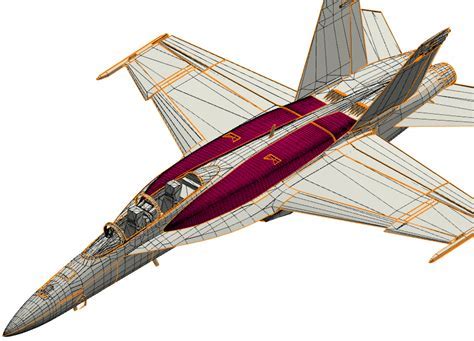
The Block III Super Hornet introduced Conformal Fuel Tanks (CFTs), which are spine-mounted fuel tanks designed to increase endurance while reducing aerodynamic drag. Each set of CFTs holds approximately 515 gallons (1,949 liters) of additional fuel, extending range by ~240 nautical miles (445 km).
- Advantages of CFTs:
- Increase range without sacrificing weapon stations.
- Reduce aerodynamic drag compared to traditional drop tanks.
- Improve overall fuel efficiency in long-range missions.
Although the U.S. Navy paused the adoption of CFTs in 2021 due to technical and cost issues, Block III Super Hornets remain CFT-compatible for potential future use.
Engine Efficiency and Fuel Consumption
F414 Enhanced Performance Engine (EPE)
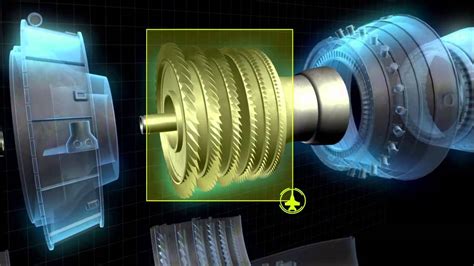
To further enhance range and fuel efficiency, the F414 Enhanced Performance Engine (EPE) was proposed. This engine upgrade aims to:
- Reduce fuel consumption by 1% while maintaining current fuel capacity.
- Increase thrust by 20%, improving the aircraft’s ability to sustain high-speed operations with less fuel expenditure.
- Incorporate drag-reduction technologies such as vortex generators to enhance aerodynamic efficiency.
These improvements provide longer loiter times, extended strike capability, and better fuel economy, making the Super Hornet even more capable in modern combat scenarios.
Historical Context: Legacy F/A-18A/C Fuel Capacity
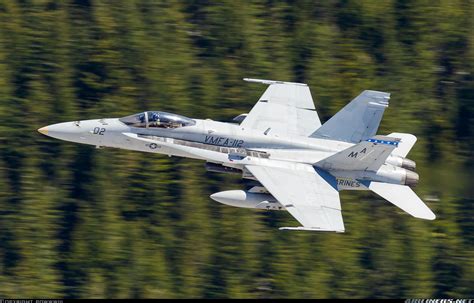
The early F/A-18A/C Hornets, introduced in the 1980s, had a significantly smaller internal fuel capacity of ~10,860 lbs (4,925 kg). This limitation led to operational challenges, particularly in long-range strike missions.
- During the Gulf War, an F/A-18C armed with four Mk84 bombs, two AIM-7 Sparrows, and two AIM-9 Sidewinders, carrying a centerline fuel tank, had a combat radius of only ~460 miles (740 km).
- Upgrades such as the F404-GE-402 engine increased thrust by 10%, slightly improving range and overall fuel efficiency.
The development of the Super Hornet (F/A-18E/F) addressed these range limitations by significantly expanding fuel capacity, increasing combat radius, and improving operational endurance.
Future Prospects for Fuel Capacity Enhancements
To maintain operational superiority, the U.S. Navy continues to explore range-extending solutions for the F/A-18 series, including:
- Revisiting Conformal Fuel Tanks (CFTs) for increased endurance.
- Developing advanced external tanks with lower drag profiles.
- Implementing further engine upgrades to enhance fuel efficiency and range.
These advancements will ensure that the Super Hornet and Growler remain mission-capable in evolving combat environments.
FAQ
How far can an F/A-18 Super Hornet fly without refueling?
A lightly armed F/A-18E/F Super Hornet has a maximum unrefueled combat radius of 1,275 nautical miles (2,346 km). However, when carrying a full combat load and external fuel tanks, its operational range varies between 850 and 1,200 nautical miles depending on mission parameters.
What is the difference between the fuel capacity of an F/A-18E/F and an EA-18G Growler?
The EA-18G Growler, while based on the Super Hornet airframe, carries additional electronic warfare equipment, which slightly reduces internal fuel capacity. However, it compensates for this with external tanks, achieving a combat radius of 850+ nautical miles when equipped for electronic warfare missions.
Why did the U.S. Navy halt Conformal Fuel Tank (CFT) development?
Although CFTs improve range and free up wing-mounted weapon stations, the U.S. Navy paused CFT adoption in 2021 due to technical challenges, added weight, and cost concerns. However, Block III Super Hornets remain CFT-compatible, allowing for potential future integration.
The F/A-18 series remains a cornerstone of U.S. naval aviation, and continuous improvements in fuel capacity and efficiency will ensure its relevance for years to come.