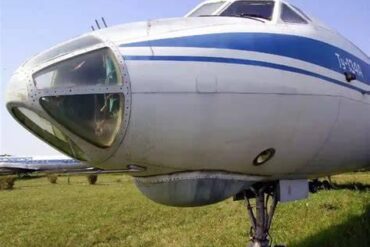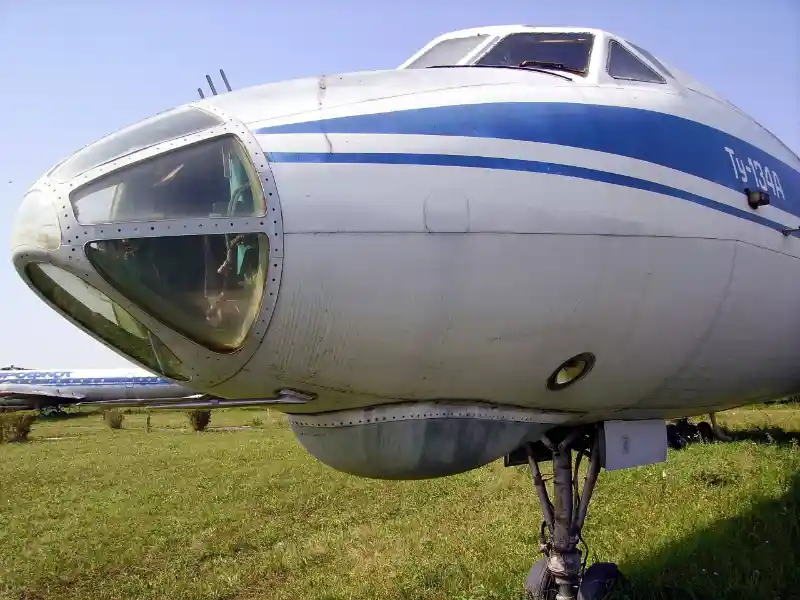
For many aviation enthusiasts, one of the most recognizable features of Cold War-era Soviet aircraft is the distinctive glazed nose. From the mighty Tupolev Tu-95 strategic bomber to the rugged Ilyushin Il-76 transport aircraft and even certain Soviet airliners, transparent nose sections remained common long after Western aircraft had abandoned the concept. At first glance, these glass noses may appear to be a stylistic choice or a relic of an earlier age. In reality, they reveal a great deal about Soviet military doctrine, technological priorities, geography, and industrial capabilities.
The contrast between Soviet and Western aircraft design philosophies became increasingly visible throughout the Cold War. While American and European aircraft manufacturers focused heavily on advanced avionics, radar systems, automation, and sensor integration, Soviet engineers often relied on practical, crew-centered solutions that emphasized visual observation and manual navigation. The glass nose became one of the most visible symbols of that difference.
Understanding why Soviet aircraft retained glazed noses requires examining the historical origins of the design, the technological realities of the Cold War, and the unique operational environment of the Soviet Union. Far from being an outdated quirk, the glass nose was a functional response to specific challenges that Soviet crews faced across the world’s largest nation.
The Origins of the Glass Nose in Military Aviation
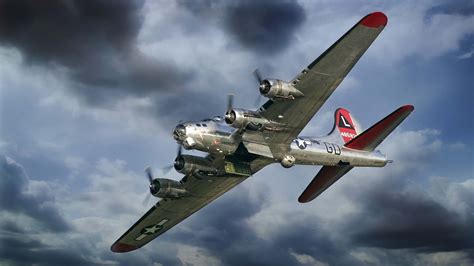
Long before the Cold War divided the world into competing blocs, glass noses were common on military aircraft. During the Second World War, bombers from all major combatants frequently featured extensive transparent sections at the front of the aircraft.
Bombardiers required an unobstructed forward and downward view to accurately aim bombs using optical bombsights. Navigators often relied on visual landmarks, coastlines, rivers, railways, and celestial observations to determine position. Since electronic navigation systems were still in their infancy, visibility was critical.
Aircraft such as the American Boeing B-17 Flying Fortress, Consolidated B-24 Liberator, Boeing B-29 Superfortress, British Avro Lancaster, and German Heinkel He 111 all incorporated glazed nose sections for operational necessity.
The transparent nose effectively functioned as an observation platform built into the aircraft. Crew members stationed there could identify targets, calculate bombing runs, observe terrain, and assist with navigation during long-range missions.
As aviation technology evolved after World War II, many Western nations gradually replaced human observation with increasingly sophisticated electronics. Radar-guided bombing, inertial navigation systems, advanced radio navigation aids, and later computerized avionics reduced the need for crew members to physically observe the outside world from the aircraft’s nose.
Why Western Aircraft Abandoned Glazed Noses
By the late 1940s and early 1950s, Western aerospace industries were rapidly integrating advanced electronics into military aircraft. The nose of an aircraft became valuable real estate for radar antennas, navigation systems, electronic warfare equipment, and sensor packages.
Instead of allocating space to a bombardier seated behind glass panels, designers increasingly filled the nose with sophisticated technology capable of operating in all weather conditions and during nighttime missions.
This shift offered substantial advantages. Radar systems could identify targets through clouds and darkness. Electronic navigation systems reduced dependence on visual landmarks. Advanced bombing computers improved accuracy. As technology matured, fewer crew members were required to perform tasks that had previously demanded dedicated navigators and bombardiers.
The transformation became especially evident with aircraft such as the Boeing B-52 Stratofortress. Although it emerged from the same historical lineage as earlier bombers featuring glazed noses, the B-52 embraced radar-based bombing and navigation systems. The traditional transparent bombardier compartment disappeared, replaced by electronic capabilities that offered greater flexibility and reliability.
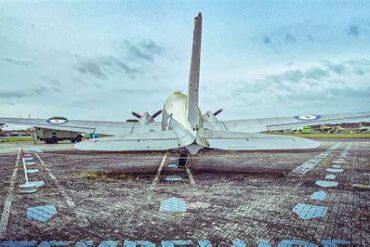
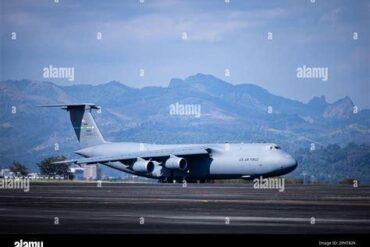
Western transport aircraft followed a similar path. New generations of military transports, maritime patrol aircraft, and passenger airliners increasingly relied on compact avionics rather than visual observation positions.
The Soviet Union Followed a Different Path
The Soviet Union entered the Cold War with a significantly different industrial and technological foundation than the United States and Western Europe. While Soviet engineers produced many innovative aircraft designs, the country often lagged behind in miniaturized electronics, integrated avionics, advanced computing, and sensor technology.
This technological gap did not mean Soviet aircraft were ineffective. On the contrary, many Soviet aircraft demonstrated exceptional aerodynamic performance, impressive ruggedness, and remarkable operational flexibility. However, limitations in electronic systems frequently forced designers to retain older methods of navigation and observation longer than their Western counterparts.
Rather than completely replacing human observation with technology, Soviet doctrine often combined both approaches. Aircraft retained navigators, bombardiers, reconnaissance observers, and flight engineers in larger numbers than equivalent Western designs.
The glass nose provided these specialists with the visibility required to perform their duties effectively.

Geography Played a Major Role
One of the most overlooked reasons for the persistence of glazed noses was geography. The Soviet Union covered approximately one-sixth of Earth’s land surface and stretched across eleven time zones. Large portions of Siberia, the Arctic, and the Far East featured limited infrastructure and sparse populations.
Navigating these enormous regions presented challenges unlike those faced in much of Western Europe. Aircrews often operated over vast wilderness areas where radio navigation aids were scarce and visual references were limited.
In such environments, dedicated navigators benefited greatly from direct visual observation. A glazed nose allowed crew members to monitor terrain, identify landmarks, assess weather conditions, observe sea ice, and supplement available navigation systems.
The ability to visually confirm position remained valuable even as electronic navigation technologies improved. Soviet planners viewed human observation as an additional layer of reliability rather than an obsolete practice.
This philosophy aligned with broader Soviet military thinking, which frequently favored redundancy and practical field capability over absolute dependence on advanced technology.
Soviet Aircraft Design Philosophy Favored Human Operators
A defining characteristic of Soviet aircraft design was the belief that trained crew members could compensate for technological limitations.
Western aircraft increasingly pursued automation and crew reduction. Soviet aircraft often moved in the opposite direction, retaining larger crews equipped to perform specialized tasks manually if required.
As a result, many Soviet aircraft featured dedicated navigators long after Western aircraft had eliminated the position altogether.
The navigator’s workstation frequently occupied the glazed nose compartment. From there, the navigator could observe terrain, track celestial references, identify landmarks, and assist in mission execution.
This approach also reflected concerns about operating in environments where electronic systems might fail, become damaged, or encounter interference. Human observation remained an important backup capability.
While Western air forces invested heavily in electronic redundancy, Soviet doctrine often maintained operational redundancy through additional crew members.
Soviet Bombers That Retained Glass Noses
Several famous Soviet bombers became closely associated with glazed nose designs.
The Tupolev Tu-4 represented one of the earliest examples. Derived directly from captured American B-29 bombers, the aircraft naturally inherited its transparent bombardier compartment.
However, indigenous Soviet designs also embraced the concept.
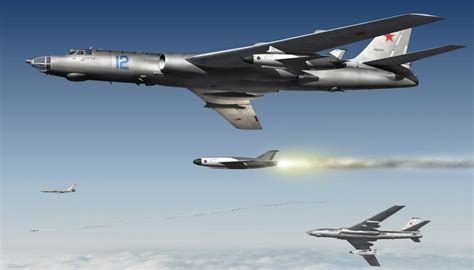
The Tupolev Tu-16 “Badger” featured a prominent glazed nose section that housed navigation and bombing personnel. Introduced during the 1950s, the aircraft became one of the Soviet Union’s most important medium bombers and was exported extensively.
The legendary Tupolev Tu-95 “Bear” also incorporated nose glazing in multiple variants. As one of the longest-serving strategic bombers in aviation history, the Tu-95 became a visual symbol of Soviet long-range aviation.
Its maritime patrol derivative, the Tupolev Tu-142, similarly retained observation-oriented nose configurations suited to long-duration missions over vast oceanic regions.
The Technology Gap in Avionics and Radar
While discussions about Soviet technological limitations sometimes become exaggerated, differences in avionics development undeniably influenced aircraft design.
Western aerospace industries benefited from substantial investments in microelectronics, integrated circuits, digital computing, and advanced radar technologies. These innovations allowed increasingly compact systems to perform tasks that previously required multiple crew members.
Soviet industry excelled in other areas, including missile technology, aircraft aerodynamics, and air defense systems. However, electronics manufacturing often lagged behind Western standards.
This disparity affected aircraft design directly. Larger and less integrated electronic systems occupied more space while delivering fewer capabilities. Consequently, human operators remained critical components of mission execution.
The persistence of glazed noses reflected this reality. Where Western aircraft increasingly relied on sophisticated sensors, Soviet aircraft often continued to depend on trained navigators and observers.
Even in the modern era, discussions surrounding Russian military aviation frequently highlight continuing efforts to close gaps in sensor fusion, avionics integration, and digital networking capabilities.
Why Soviet Transport Aircraft Kept Glass Noses
Bombers were not the only Soviet aircraft to feature transparent noses. Military transports also retained the design long after Western equivalents abandoned it.
The Ilyushin Il-76 remains perhaps the most recognizable example. Despite multiple modernization programs, even contemporary variants continue to include a glazed navigator station beneath the cockpit.
The aircraft’s large crew complement reflects broader Soviet design traditions. In addition to pilots, navigators and flight engineers remain integral parts of operations.
The glass nose provides visibility that assists with navigation and operational awareness, particularly during missions into remote or underdeveloped regions.
Many Antonov transports shared similar characteristics. Aircraft such as the An-8, An-12, An-22, An-26, An-30, An-32, and An-74 incorporated glazed nose sections in various forms.
These aircraft were designed for versatility and military utility. Some were even envisioned as having secondary bombing capabilities, reflecting Soviet doctrines that emphasized multipurpose functionality.

The Surprising Appearance of Glass Noses on Soviet Airliners
Perhaps the most unusual application of the glazed nose concept appeared in civilian aviation.
Unlike Western airlines, Soviet civil aviation existed within a centralized state-controlled system. Aircraft operated by Aeroflot were often designed with military mobilization requirements in mind.
Passenger aircraft were expected to function as strategic assets during wartime. Consequently, military design influences frequently appeared in civilian airframes.
Early versions of the Tupolev Tu-134 included a navigator position located within a glazed nose compartment. The aircraft’s navigation procedures and cockpit layout reflected practices inherited from military aviation.
Similarly, the Tu-114 and Tu-116, both derived from the Tu-95 bomber family, retained characteristics that blurred the distinction between military and civilian design philosophies.
To Western observers, these features appeared unusual. Within the Soviet system, however, they represented practical adaptations that aligned with national transportation and defense requirements.
Why Modern Russian Aircraft Rarely Use Glass Noses
Despite the enduring image of Soviet aircraft featuring transparent noses, the design has largely disappeared from new Russian aircraft.
Advances in satellite navigation, digital avionics, modern radar systems, and electronic sensors have reduced the operational need for dedicated observation compartments.
Modernized aircraft increasingly prioritize internal space for mission equipment, sensors, and electronic systems. The same technological trends that transformed Western aviation eventually reached Russia as well.
New generations of military aircraft rely far more heavily on integrated digital systems than their Cold War predecessors. As a result, glass noses have become increasingly rare.
However, aircraft such as the Tu-95 and Il-76 continue to operate extensively, preserving a visual link to an earlier era of aviation design.
Conclusion
The glazed noses found on many Soviet aircraft were never simply stylistic features. They emerged from a unique combination of technological realities, military doctrine, geography, and operational requirements.
While Western nations rapidly embraced advanced avionics and automated navigation systems, Soviet designers continued to rely on trained navigators, bombardiers, and observers who required direct visibility. Vast Arctic territories, limited infrastructure, and a preference for practical redundancy further reinforced the value of transparent nose compartments.
As technology advanced, most nations eventually abandoned the concept. Yet for decades, the glass nose remained a defining characteristic of Soviet aviation, symbolizing an alternative approach to aircraft design during one of history’s most intense technological rivalries.
Today, those distinctive transparent noses serve as visible reminders of how two competing aerospace traditions solved the same challenges in dramatically different ways.